The piece reports how Rep. María Elvira Salazar initially attacked a landmark U.S.-Venezuela oil agreement on social media, deleted that criticism, and then reposted praise for the same deal, raising questions about consistency and political signaling within the Republican coalition.
Last week saw a quick public pivot from Rep. María Elvira Salazar of Florida after the White House announced what it called a historic oil agreement with Venezuela. Salazar first posted a sharp criticism of the pact, then removed that post, and within an hour returned with a supportive message praising the deal’s benefits for the United States and Venezuelans. That flip-flop caught attention on both sides of the aisle and generated a flurry of commentary about messaging and principle.
The agreement itself was presented as a major strategic move to expand American energy reserves and push back on foreign competitors who have long profited from Venezuela’s resources. From a Republican perspective, anything that strengthens U.S. energy dominance and brings investment and influence to a troubled neighbor can be framed as both pragmatic and principled. Supporters point to the potential to undercut aggressive foreign buyers and to restore leverage in the region.
Salazar has a record of criticizing Venezuelan officials and speaking out against the regime’s abuses, which made her initial public pushback notable. For some conservatives, her swift reversal felt discordant with that history: they expected vocal opposition to deals involving the Venezuelan interim authorities. Others argued national interest in energy and geopolitical stability can, in certain moments, justify cooperation that advances American leverage.
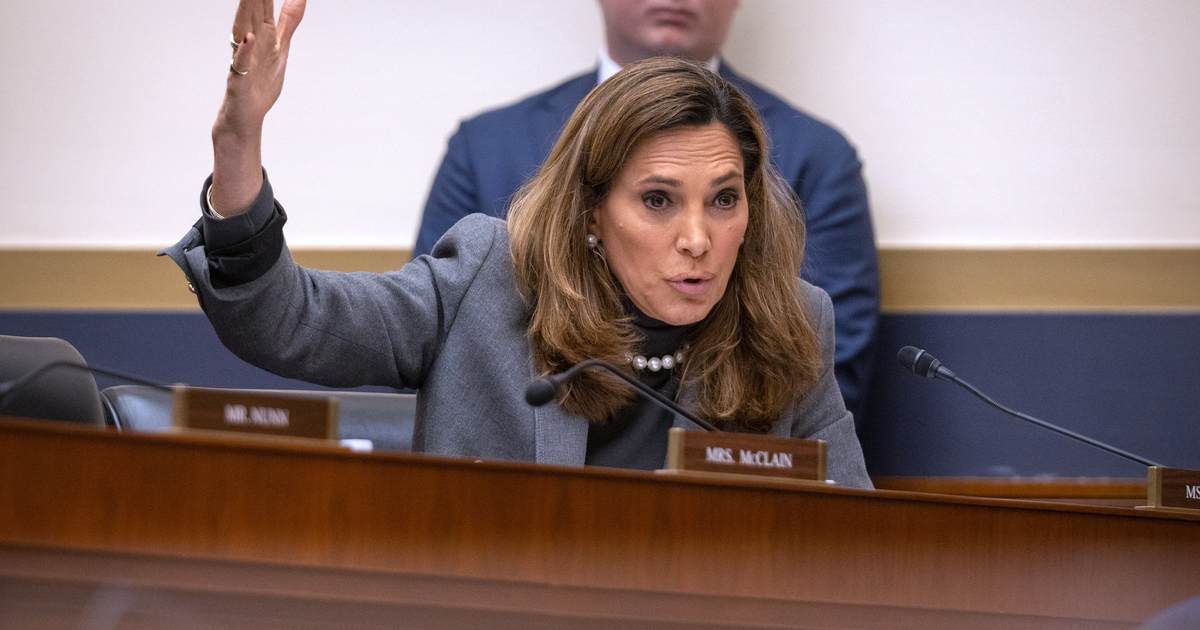
Florida Republican Rep. María Elvira Salazar did a quick about-face on President Trump’s massive Venezuela oil deal Saturday — deleting a social media post blasting the pact before returning to declare it was “a great deal” for America and the Venezuelan people
Salazar, who has been outspoken of communist Venezuelan President Delcy Rodríguez, took to X to declare that the pact would come to an end once President Trump’s term ends.
“Any oil “deal” with Venezuela’s interim regime has an expiration date: the day President Trump leaves the White House,” Salazar wrote on the site.
She later deleted the English and Spanish posts and returned about an hour later with a very different message.
“The U.S.-Venezuela oil deal is a great deal for the United States and the Venezuelan people,” she wrote.
“For years, China took advantage of Venezuela’s weakness to buy its oil at deep discounts. Now America is stepping in, and American investment and influence offer Venezuela a path toward prosperity, stability, and security.”
That quoted sequence mattered because it exposed both political calculation and the speed of modern communications: a single deleted post and a replacement can reshape how colleagues and voters interpret a lawmaker’s stance. Republicans who prioritize tough rhetoric on Venezuela saw the deletion as a retreat. Others who prioritize energy policy and economic leverage viewed the later endorsement as a correct alignment with strategic goals.
The deal’s backers stress it will boost U.S. energy reserves and deliver economic influence to prevent adversaries from gain. If the claims hold, the agreement could change the energy calculus in North America and diminish the leverage of foreign buyers who long profited off Venezuela’s crisis. That argument resonates strongly with voters who care about lower prices, increased supply, and American industry winning market share.
Political actors must reconcile moral positions with national interest, and Salazar’s episode is a compact example of that tension. Elected officials often balance condemnation of authoritarian actors with practical steps to reduce foreign influence and strengthen American power in strategic regions. Those choices invite scrutiny, especially when a public reversal happens quickly and visibly.
For conservative audiences, the expectation is clear: leadership should be consistent, but it should also pursue policies that put America first. Energy independence and stronger regional influence are legitimate GOP priorities, and debate over tactics should be open and direct. Public disagreements within the party are part of that process, and they reveal how strategy and principle can clash in high-stakes moments.
As the story circulated, it served as a reminder that political signaling matters and that social media moves are scrutinized for what they reveal about judgment and priorities. Voters and colleagues alike will watch how representatives reconcile past positions with new realities, especially when national security and energy dominance are at stake.