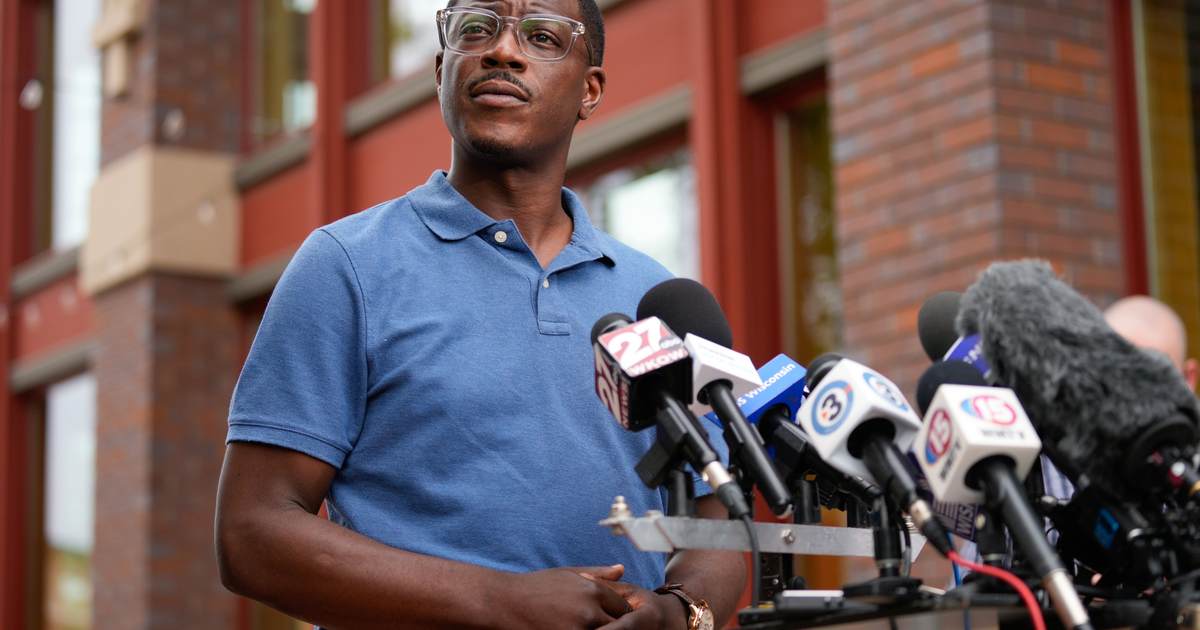
A close look at David Crowley’s record on taxes shows a pattern: repeated tax hikes, higher sales rates in Milwaukee, and a public attitude that treats modest increases as negligible while everyday families pay more.
Democrats love the word affordability, but in practice voters see a different playbook. Promises to lower burdens for families often end with new fees and broader definitions of taxable services that hit household budgets. The result is higher costs on routine purchases and more pressure on working people.
Milwaukee County under David Crowley has seen repeated tax increases that matter to residents. Property taxes rose in five of six years, and when one year didn’t see another property hike, the county sales tax was raised instead. That pattern shows a willingness to take more money from citizens rather than tighten belts or cut waste.
Crowley even celebrated a sales tax increase with cake, a tone-deaf image when families are stretching paychecks to cover gas and groceries. The county now has some of the highest sales tax rates in the state, and those percentages add up for anyone who shops locally. Voters outside Milwaukee already resent subsidizing the city and are wary of elevating its leaders to statewide power.
Worse still, Crowley has downplayed the impact of additional taxes on ordinary households.
“No, I don’t think it would be a burden,” Crowley said. “I mean, when we think about this particular increase, we’re talking about a 0.4 percent increase, right? So we’re not even talking about a half, we’re talking about less than a half a percent.”
That 0.4 percent sits on top of existing rates that make Milwaukee County’s sales tax 5.9 percent while the City of Milwaukee faces 7.9 percent. By contrast, neighboring Waukesha County holds its sales tax to about five percent without piling on extra local levies. Those differences change where people shop and how far their dollars stretch.
https://x.com/RedWisco26/status/2095945301731283361
Crowley’s rhetoric about tax increases being minimal misses how incremental percentages compound for families buying fuel, groceries, and services. When leaders view small increases as negligible, the practical outcome is steady inflation in everyday costs. A repeated squeeze on consumers erodes economic freedom and makes it harder for people who are already one paycheck away from trouble.
Another troubling point is policy priority: promises to protect certain populations, like illegal immigrants, while pushing higher taxes on residents fosters resentment.
That approach signals which voters will feel the pain first and who will be shielded by policy choices, and critics say it is a recipe for political backlash.
The primary fight that pushed Crowley back into contention showed Democrats juggling optics and electability, but voters remember county-level outcomes more than party talking points. Folks in outlying counties view Milwaukee as expensive, crime-plagued, and fiscally irresponsible, and they are unlikely to reward its leaders with statewide office. Electability depends on convincing skeptical voters that their taxes won’t keep going up and services won’t keep deteriorating.
Crowley’s candor about tax increases — that Democrats will push to collect more money even if prices rise — should be a wake-up call for taxpayers. Republicans argue that real affordability means reducing government waste, prioritizing essential services, and holding the line on new levies so families can plan and prosper. Voters will decide whether repeated tax hikes are the future they want for Wisconsin.
Editor’s Note: The 2026 Midterms will determine the fate of President Trump’s America First agenda. Republicans must maintain control of both chambers of Congress.