The Department of Labor has frozen Cognizant’s ability to file new H-1B petitions and opened a formal probe into alleged visa program abuses, and the move comes alongside a similar action against Cloudera amid broader changes to application rules and hefty fee hikes.
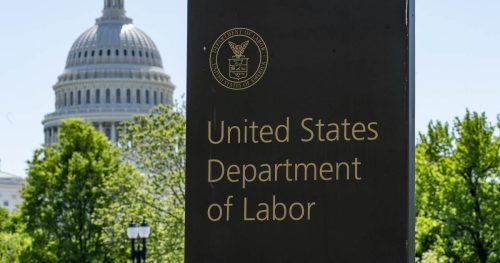
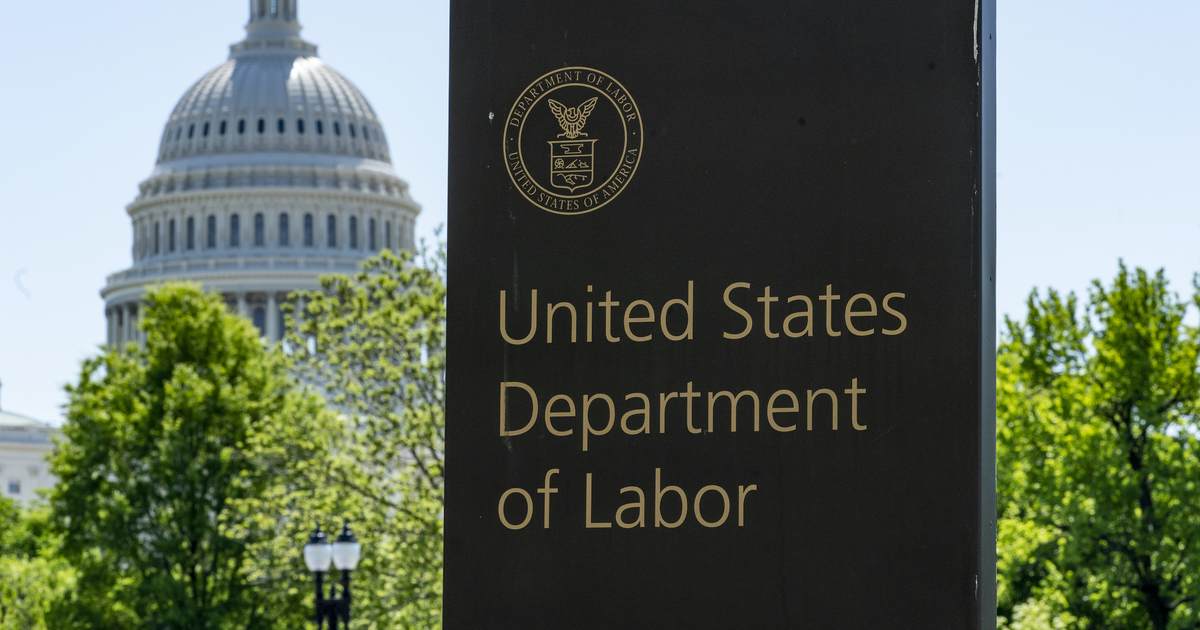
The Labor Department announced a suspension that prevents Cognizant from submitting new H-1B visa petitions while investigators examine alleged abuses of the immigration system. The action targets the company’s use of foreign-worker programs and signals tougher enforcement from regulators who say they aim to protect American workers and the integrity of hiring rules.
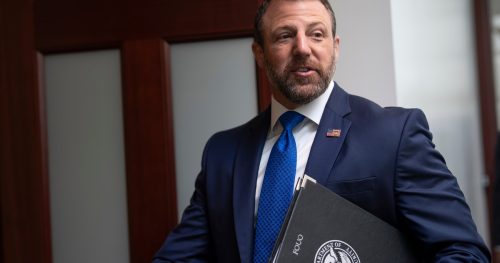
Department of Labor Inspector General Anthony D’Esposito commented on social media, warning that “handcuffs await” anyone who commits fraud that harms U.S. workers, and he confirmed that the agency’s Program Electronic Review Management used for certain visa certifications has been suspended. That language makes clear the investigation could have criminal as well as civil implications, and the inspector general’s tone underscores the seriousness of the probe.
The suspension applies only to new or pending applications from the company, not to workers already in the United States with approved temporary status. Employees whose applications were already accepted by the Department of Labor can continue to work while regulators sort through the allegations, so current projects and operations are not immediately overturned by the enforcement action.
https://x.com/AFpost/status/2097430490068275287
Cognizant is not alone in facing immediate scrutiny; the Labor Department issued a similar suspension to Cloudera, an AI data platform, on the same day. That parallel action suggests regulators are looking beyond a single vendor and toward broader hiring patterns in the tech sector where reliance on foreign labor often intersects with client contracts and outsourcing practices.
These investigations into H-1B use by tech companies arrive as the Trump administration announced an in applications after a heavy fee increase to $100,000. The combination of higher costs and stricter enforcement changes the calculus for firms that leaned on foreign-skilled labor to keep payrolls and margins low, and it raises new questions about how companies will staff domestic projects going forward.
From a Republican perspective, this is the kind of enforcement long overdue: the H-1B program was designed to fill genuine gaps in the U.S. labor market, not to serve as a cost-saving substitute for hiring Americans. When firms use visa programs as a routine labor strategy rather than a targeted aid for real shortages, it undercuts wages and opportunities for domestic workers — which is why tougher scrutiny matters.
Practically, the suspensions could ripple through client operations and development timelines if companies relied heavily on workers whose petitions are now paused. Contractors and employers will need to review staffing plans, accelerate compliance audits, and consider hiring Americans for roles previously outsourced to visa holders to avoid future disruptions.
Legally, the DOL investigations can produce a range of outcomes: clearance and resumed filings, civil penalties and restitution, or criminal referrals if investigators uncover deliberate fraud. The “handcuffs await” warning makes clear authorities are prepared to pursue the full spectrum of enforcement tools where wrongdoing is proven.
As the probes progress, companies implicated will face document requests, site visits, and interviews that could take months to resolve, and the industry will be watching closely for precedent. For policymakers and employers alike, this moment emphasizes that program compliance, transparent hiring practices, and prioritizing American workers are going to be central issues in the months ahead.