U.S. Customs and Border Protection Commissioner Rodney Scott said Tuesday that economic security has become as central to his agency’s mission as physical border enforcement, pointing to tariffs, trade monitoring and biosecurity as tools now used to protect American industry.
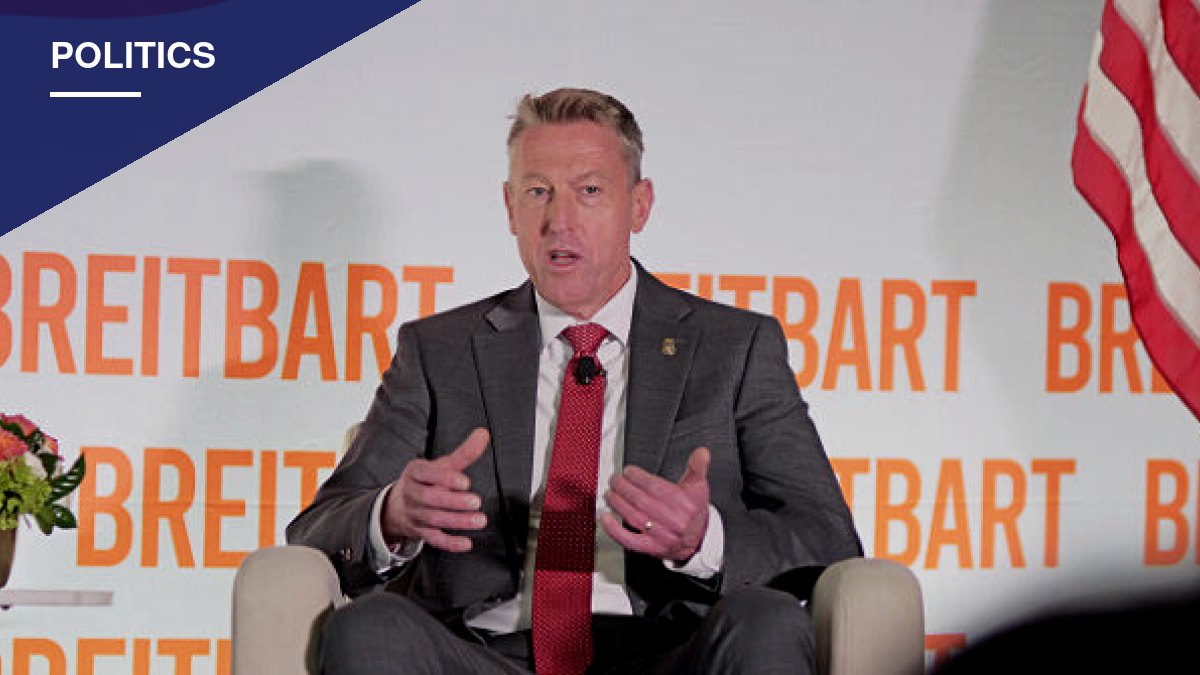
Scott made the comments during a policy discussion in Washington, D.C., with Breitbart News Washington Bureau Chief Matthew Boyle. The event, held in partnership with CGCN and ALFA Institute, also included a separate discussion with Department of Homeland Security Secretary Markwayne Mullin on border security, public safety and sovereignty.
Asked what threats CBP faces daily from bad actors exploiting weaknesses in customs enforcement, Scott said precursor chemicals and synthetic narcotics like fentanyl remain a top concern, often hidden within the volume of global trade.
“The ones that get the most attention are literally the precursor chemicals, the synthetic narcotics, the fentanyl, trying to use the cover of mass global trade to hide the commodity, just like they use massive amounts of illegal aliens at the border to hide the bigger threat,” Scott said.
He said companies and foreign governments also try to exploit global trade channels, which prompted an executive order President Donald Trump signed in June requiring more advance information from shippers so CBP can better target smuggled goods.
Scott argued that economic protection and border protection are inseparable.
“I think other people forget too that economic security is just as important to national security as the physical border piece. There’s no reason to protect the borders if the rest of the country … was a third world nation …” Scott said. “So, literally making sure that other companies, other countries aren’t dumping their commodities and undermining the American businesses — making sure they’re not getting undercut. That’s what a lot of the tariffs that we are rolling out are really wrapped around.”
Scott also flagged biological threats to American agriculture, which he said can be intentional or accidental.
“If another country sees our agricultural business as a threat to theirs, all you have to do is put some of these invasive species into the country pretty quickly, and it’ll wipe out an entire industry in the United States. People forget that’s part of CBP’s job as well,” he said.