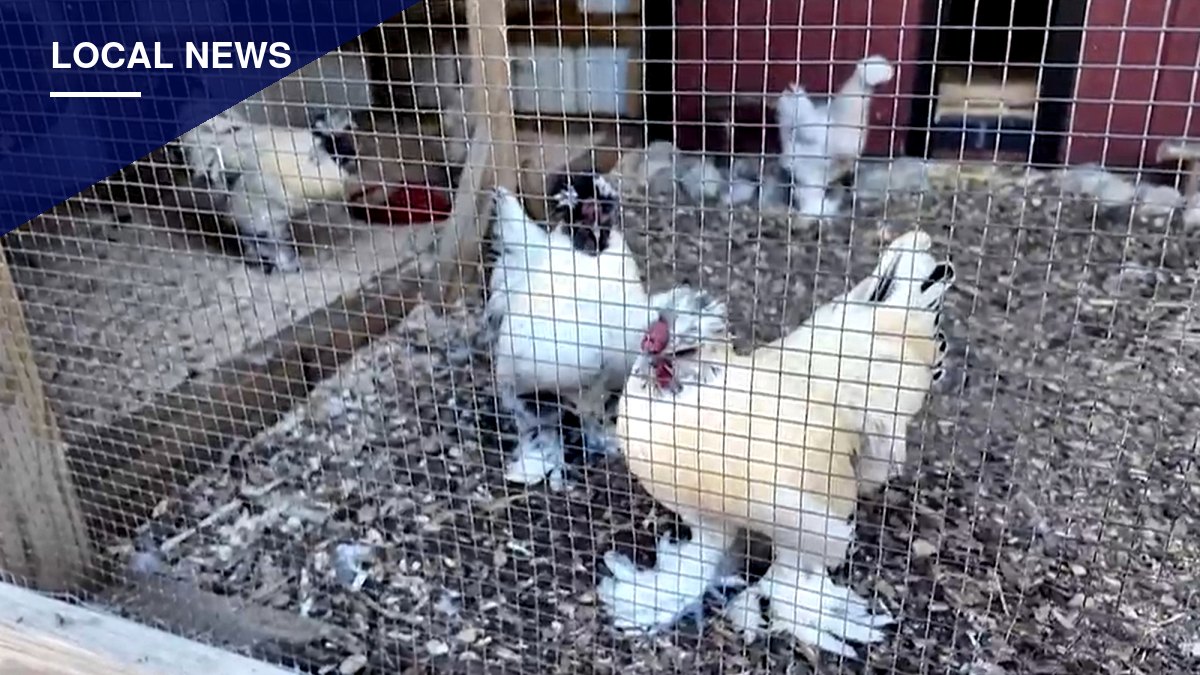
Brick Township has banned roosters within its borders after years of noise complaints from residents living near backyard chicken coops.
The township council voted unanimously, 7-0, on Oct. 13 to amend its existing animal-keeping code to prohibit owning, harboring, raising, breeding or possessing a rooster anywhere in the Ocean County municipality.
Council members said the move was needed to protect public health and the “quiet enjoyment of neighboring residential properties,” citing the repetitive and unpredictable crowing that sets roosters apart from hens and other domesticated fowl.
Complaints had been building for roughly six years, as more Brick homeowners began keeping chickens during the COVID-19 lockdowns amid rising interest in home-grown eggs.
Before the ordinance, owning a rooster in Brick wasn’t illegal, and police could only act on a noise complaint if an officer witnessed it directly — leaving residents with little recourse against noisy neighbors.
What happens to roosters already in town
Residents who owned a rooster before the ordinance took effect can keep it, but only after getting a permit from the zoning office and housing it in an approved structure for the rest of its life. Once that rooster dies, is sold or is removed, the owner cannot replace it or add another.
Because roosters typically live five to eight years — and some up to 15, according to Four Paws USA — crowing could still be heard in Brick’s neighborhoods for years to come.
Not everyone took it seriously
The vote itself produced some eye-rolling, including from within the council.
“I still can’t believe we’re voting on this,” Councilman Gregory Cohen said during the meeting. “There’s so much important stuff going on here and we’re talking about roosters.”
Resident Mike Smith echoed that sentiment, telling News12: “I’ve never heard a rooster, and they should have more important things to worry about.”
But residents who live near the birds pushed back hard on that framing.
“It sounds comical, but let me tell you, if you have a rooster next door to your house, it is serious,” resident Onofrio Ambrosino said.
“It is funny until you’re woken up at five o’clock in the morning and you hear them all day,” resident Patricia Schucht told Cohen during the meeting.
Some chicken owners have noted roosters serve a purpose beyond crowing, defending hens and chicks from predators such as foxes and hawks.