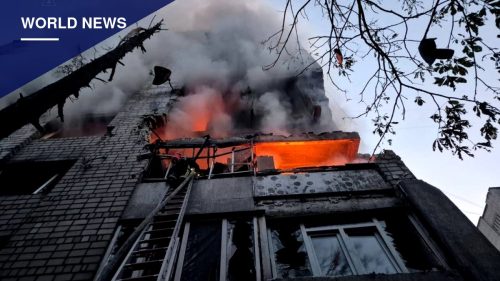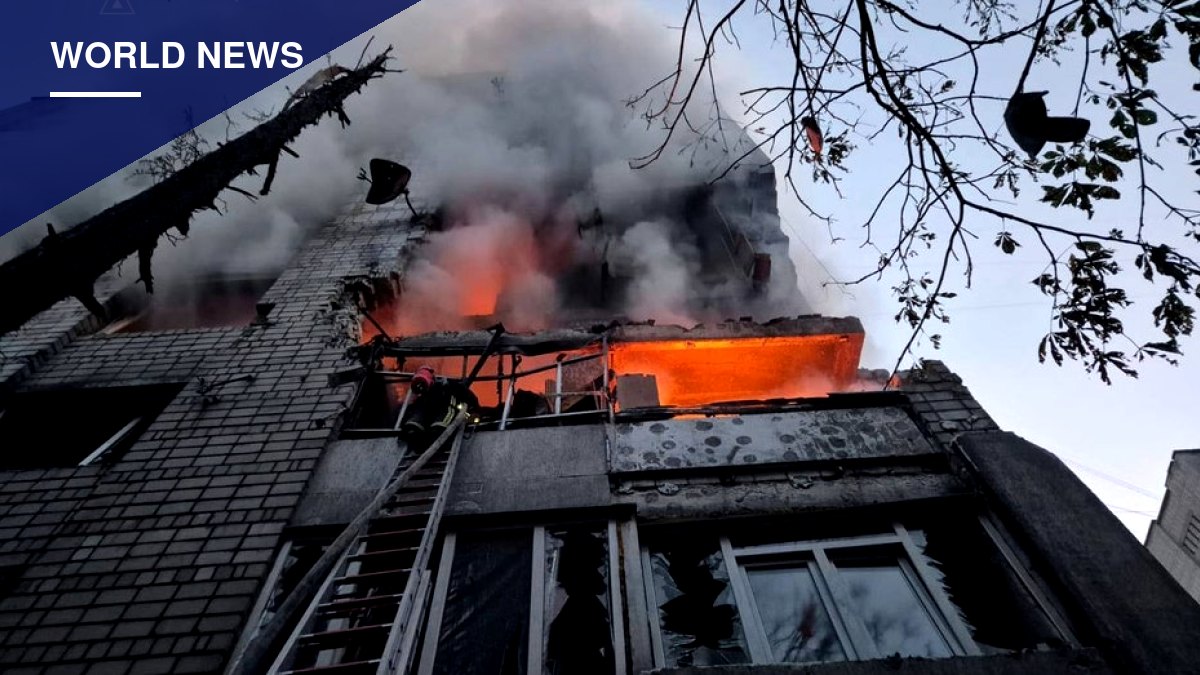
Ukraine says it has only “a couple” of Patriot interceptors left to defend against Russian missile attacks, even as the Trump administration holds up approval of new transfers, according to a Ukrainian official cited by The Washington Post. Russian strikes on Ukrainian cities have continued throughout the delay.
Secretary of State Marco Rubio said Oct. 20 that a batch of interceptors purchased for Ukraine may not have been delivered, but denied any political motive behind the delay. “There’s nothing being deliberately denied to Ukraine,” he said.
The slowdown comes amid genuine supply constraints. Lockheed Martin delivered 620 PAC-3 MSE interceptors in 2025 and is working to expand annual production capacity to 2,000 over seven years. The Center for Strategic and International Studies estimated in July that American Patriot inventories had fallen below 1,000 after heavy use during the Iran war.
Europe has become the largest financial contributor to Ukraine’s defense, according to Kiel Institute data covering the first half of 2026, but American stockpiles still supplied more than 90% of the weapons delivered through NATO’s Prioritized Ukraine Requirements List. That means Washington, not Brussels, controls how quickly weapons reach the front.
Production expansion is already underway. U.S. Sens. Roger Wicker, R-Miss., and Kevin Cramer, R-N.D., met Ukrainian President Volodymyr Zelenskyy in Kyiv on Oct. 9, where he pushed for faster licensing of Patriot production in Ukraine and offered joint manufacturing of interceptors.
Pressure on Kyiv
Beyond the supply shortage, Washington has used the weapons pipeline as leverage over Ukrainian military decisions. Reuters reported that the U.S. threatened to halt the allied-funded PURL weapons pipeline to pressure Kyiv into stopping its deep strikes on Russian energy infrastructure.
A separate dispute involves satellite access. Elon Musk, blamed for throttling Ukraine’s satellite terminals, said restrictions “are decided by the U.S. military and ultimately” the president. Reuters later traced the restriction to the White House through unnamed officials, but Trump denied involvement. “It wasn’t us,” he told reporters Oct. 16. Ukraine also went three days without American missile-warning intelligence before Zelenskyy said Oct. 18 that sharing had resumed.
Trump called Oct. 10 for Ukraine to replace its president. Zelenskyy nonetheless met with American envoys in Oslo on Oct. 20.
What Russia has gained
Trump announced an energy ceasefire Oct. 11, though it was unclear whether Russia had agreed to it. A week later, Russian strikes hit 28 substations and other energy facilities, according to the Institute for the Study of War, cutting power to roughly 550,000 Ukrainian households. Putin never confirmed accepting the ceasefire.
Meanwhile, the Treasury Department issued a license on Oct. 9 authorizing specified transactions involving Russian diesel exports. Reuters reported Washington hoped the move would soften Moscow’s negotiating position. The administration has cited domestic relief as justification — diesel hit a record $6.52 a gallon in September — but an analysis by Lawfare found the Russian exports involved would cover only about 2% of American demand.
Russia has not halted its bombing campaign despite the diesel concession. When Zelenskyy offered a 60-day ceasefire to allow for elections, the Kremlin rejected it on Oct. 12, saying it wanted an overall settlement instead.
The New York Post has reported that Putin wants a summit with Trump and Chinese President Xi Jinping to negotiate an end to the war without Zelenskyy or European leaders present.
Reuters reported Oct. 17 that Russian battlefield advances have slowed, with many front lines largely static — a fact that could give Washington leverage to demand concessions from Moscow rather than only from Kyiv.
Wicker, who chairs the Senate Armed Services Committee, proposed on Oct. 18 that Ukraine show restraint against Russian petroleum facilities in exchange for American assistance targeting Russian missile launches.