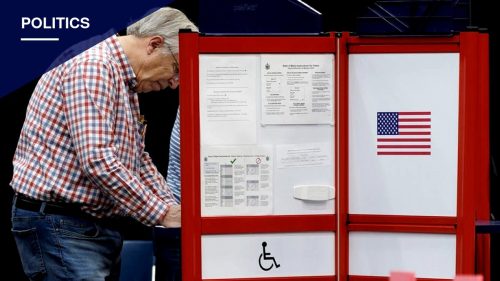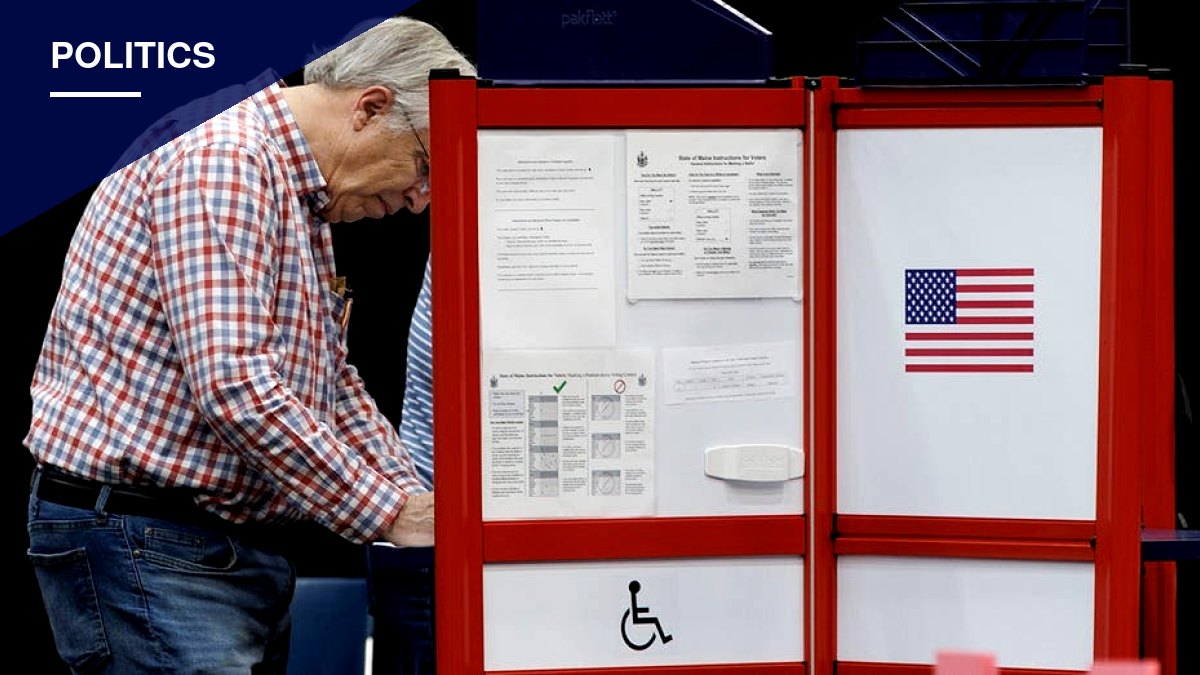
As voters cast ballots on Tuesday, or finish mail-in and early voting, they’re doing so against the backdrop of an economy marked by rising everyday costs, higher home prices and a strong stock market. Three sets of numbers help explain the pressures shaping those decisions.
President Trump promised a stronger economy and lower costs during his 2024 campaign. Nearly two years into his second term, fuel prices have climbed, inflation has picked up, and homeownership remains out of reach for many — all factors testing Republican promises on affordability heading into the midterms.
Prices Are Still Climbing
The latest inflation report shows consumer prices rose 3.7% over the year through September, and 0.6% just from August to September. That index, known as the Consumer Price Index, tracks a broad range of household costs including food, housing, medical care and transportation.
Trade policy has played a role. A study from the New York Federal Reserve found that Trump’s tariffs added about 2.9 percentage points to prices across the consumer goods researchers examined. Roughly a third of that increase came from products made in the United States, as domestic manufacturers paid more for imported materials and parts.
These figures don’t show how any one household has been affected, or how voters will assign blame for the cost increases. But they offer a general picture of the price pressures many are weighing as they vote.
Fuel Costs Have Spiked
Energy prices are squeezing households and businesses alike, as wars in Iran and Ukraine disrupt global fuel supplies.
Diesel prices have risen sharply, from about $3.45 per gallon in early 2025 to a peak of $6.53 in October 2026, according to the U.S. Energy Information Administration. That matters well beyond the gas pump, since trucks, freight trains and farm equipment all run on diesel — meaning higher costs can ripple through the price of groceries, packages and building materials.
Gasoline prices have also climbed, jumping 9.1% in September alone. That increase accounted for more than half of the month’s overall rise in the Consumer Price Index.
Housing Remains Out of Reach for Many
Buying a home is still a major financial hurdle. Freddie Mac put the average 30-year mortgage rate at 7.24% as of Oct. 29, while the National Association of Realtors reported a median existing-home price of $417,500 in September.
Those two numbers work together: the mortgage rate determines a buyer’s monthly payment, and the home price determines how much they need to borrow in the first place. Together, they’ve made it harder for many households, especially first-time buyers, to purchase a home.
Rising home values can be good news for people who already own property, since it builds their wealth on paper. But that money isn’t easy to access without selling the home or borrowing against it. For renters and prospective buyers, the higher costs are felt immediately.
Taken together, these numbers offer a snapshot of what voters have been dealing with financially. They don’t say how voters will weigh these factors in the voting booth, or which party they’ll hold responsible when the results come in.