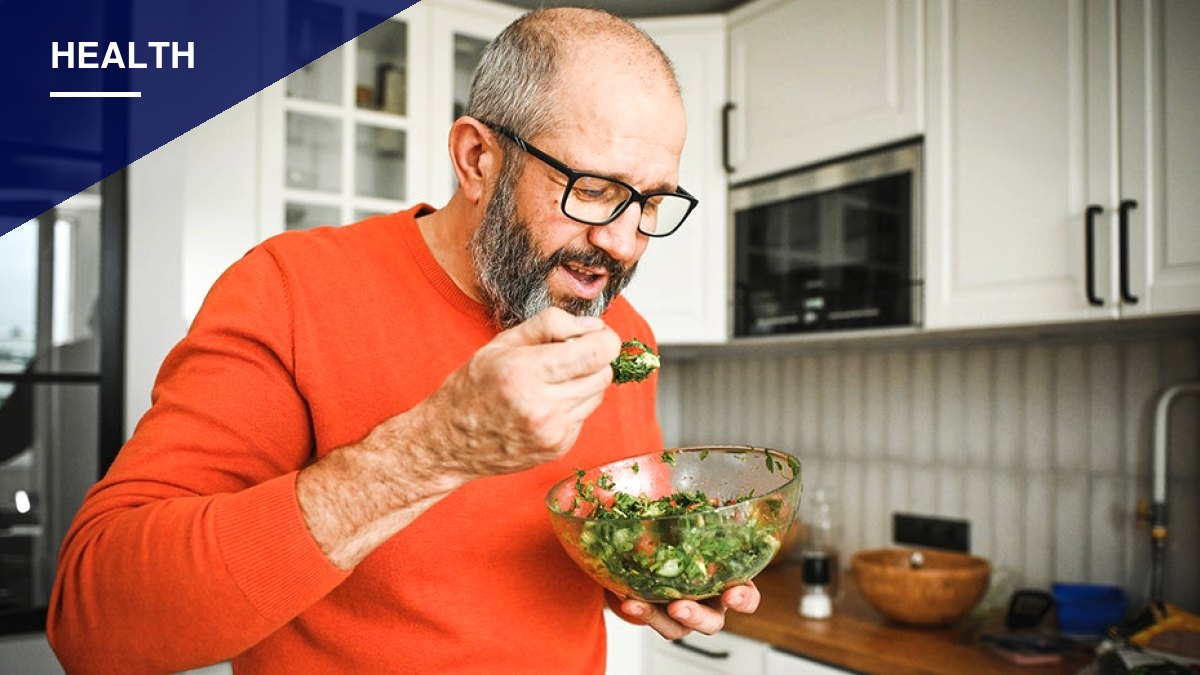
Eating well doesn’t require a strict diet, cutting out entire food groups, or hitting every nutrition target perfectly, according to Christopher Gardner, Ph.D., a nutrition scientist at Stanford University and author of “Food Sense: What to Eat and Why.”
“It is simpler than people think,” Gardner told Fox News Digital.
Gardner, who also works with the Stanford Prevention Research Center, spends much of his time studying how to get people to actually follow health advice they already know, such as eating better, exercising more and smoking less.
He points to the 80/20 rule as a practical framework: eat nutritious foods about 80% of the time, and allow room for indulgences the other 20%. Rather than chasing the latest wellness trend, which he says is often not grounded in solid evidence, Gardner recommends gradual changes, like adding more vegetables, fruits and minimally processed foods to a regular diet.
The case for legumes
Gardner singled out legumes as an underused part of a healthy diet, noting how common they are across cuisines worldwide.
“Asian cultures eat a lot of tempe, tofu, edamame and soy, and Latin American cultures eat a whole bunch of bean and grain dishes, and Indian culture eats a lot of lentil dals,” he said.
He noted that legumes tend to be inexpensive and versatile, and they’re a strong source of both protein and fiber, a nutrient many Americans don’t get enough of.
By contrast, Gardner said, Americans often reach for junk food even when they know better, opting for “chips and candy and cake and snacks and mocha frappé frappuccino instead of black coffee.” He said the growing wariness around ultra-processed foods isn’t really new information so much as a fresh framing of something people already sense is off.
“I don’t think the ultra-processed thing is like, oh, we never understood it before, and now we do. I don’t really think people know that it’s 200 cosmetic additives,” he said.
Context over labels
Gardner cautioned against treating foods as simply “healthy” or “unhealthy” without context, using coffee and tea as an example. Both, he said, are fine on their own and contain antioxidants backed by research.
“I can show you volumes of studies that both are good for you,” Gardner said.
What actually makes one drink a better or worse choice, he explained, comes down to what’s added to it, like sugar or dairy, not the base ingredient itself.
Gardner also acknowledged that eating isn’t purely a matter of science. “Food is comfort and food is culture and food is other things,” he said, adding that different approaches work for different people.
His broader advice is to not be too hard on yourself over an off day.
“Whatever you screw up today, you get a do-over tomorrow and the day after,” he said, encouraging people to “give yourself a little grace, a little patience, a little love.”