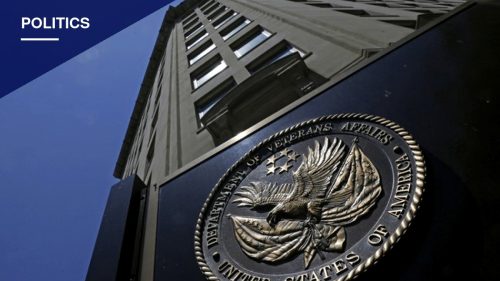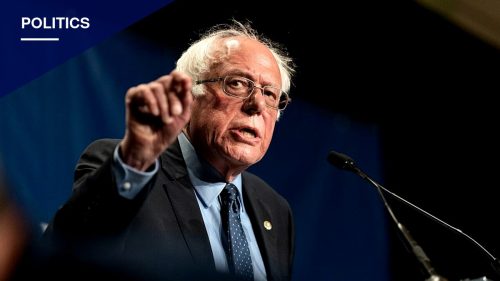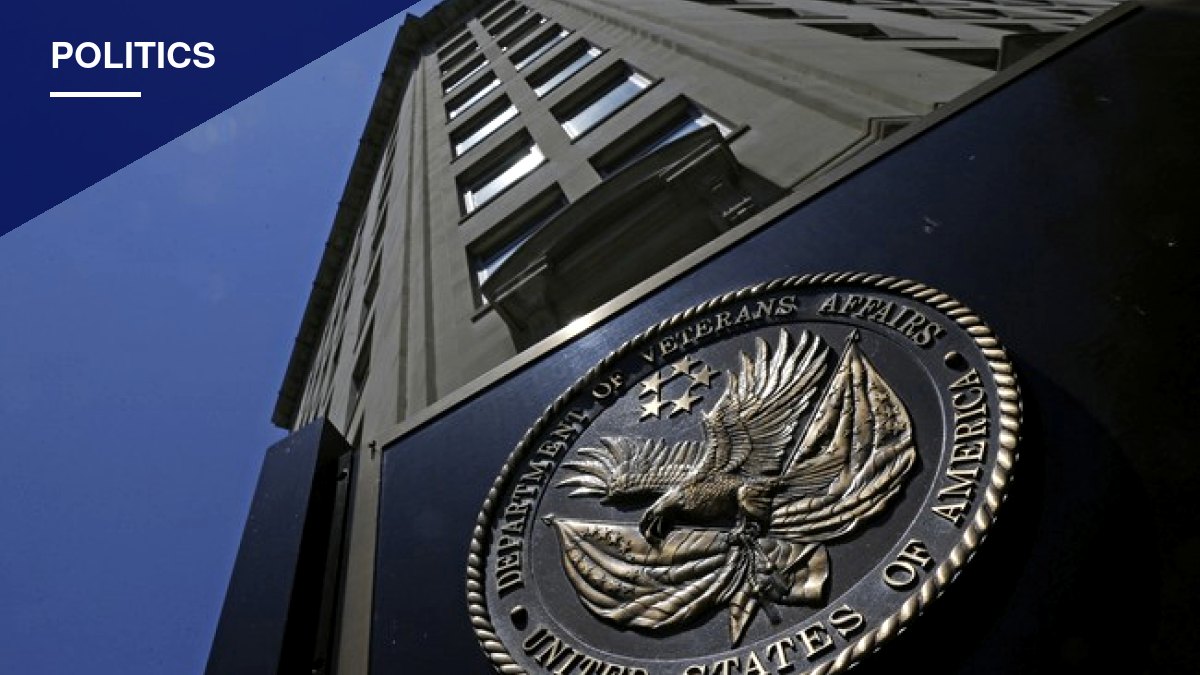
Veterans Affairs Secretary Doug Collins said the department has allocated more than $1 billion to organizations working to address veteran homelessness, announcing the funding in a Fox News interview with host Todd Piro around Veterans Day.
Collins said the VA permanently housed more than 50,000 veterans last year and is on pace to reach a similar number this year.
“It’s getting even better in the sense that we’ve just allocated over a billion dollars to help groups across the country deal with homelessness. Last year we permanently housed over 50,000 veterans. We’re coming again close to that number, and as we’re doing so, we’re seeing more and more,” Collins said.
According to Collins, veteran homelessness is frequently tied to other underlying problems, and the department’s approach goes beyond placing veterans in temporary shelter.
“Understand that, the homelessness issue typically is tied with other things. And so, what we’re doing at the VA is not only getting them into temporary housing, we’re moving them into permanent housing. But also we’re taking the time to make sure we give them the wrap-around services that they need, what got them there to start with. For sometimes, it’s medical conditions. For sometimes it’s mental health. For sometimes maybe it’s just financial, or addiction. Those are the kind of things that we’re going to take and make sure that not only we are helping them get out of the situation, we make sure they stay out,” Collins said.
The VA also issued a press release around Veterans Day outlining what it described as accomplishments over the past year and plans for further improvements to veterans’ benefits and services. Details of the backlog reductions and new clinic openings referenced in some coverage were not spelled out in the material reviewed for this report.
Collins has led the VA through a period in which the department has emphasized both housing placement and what it calls “wrap-around” services — medical care, mental health treatment, financial assistance and addiction support — intended to keep veterans from returning to homelessness once housed.