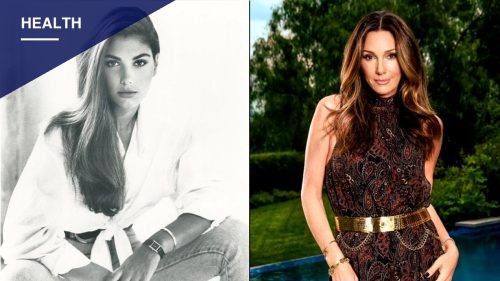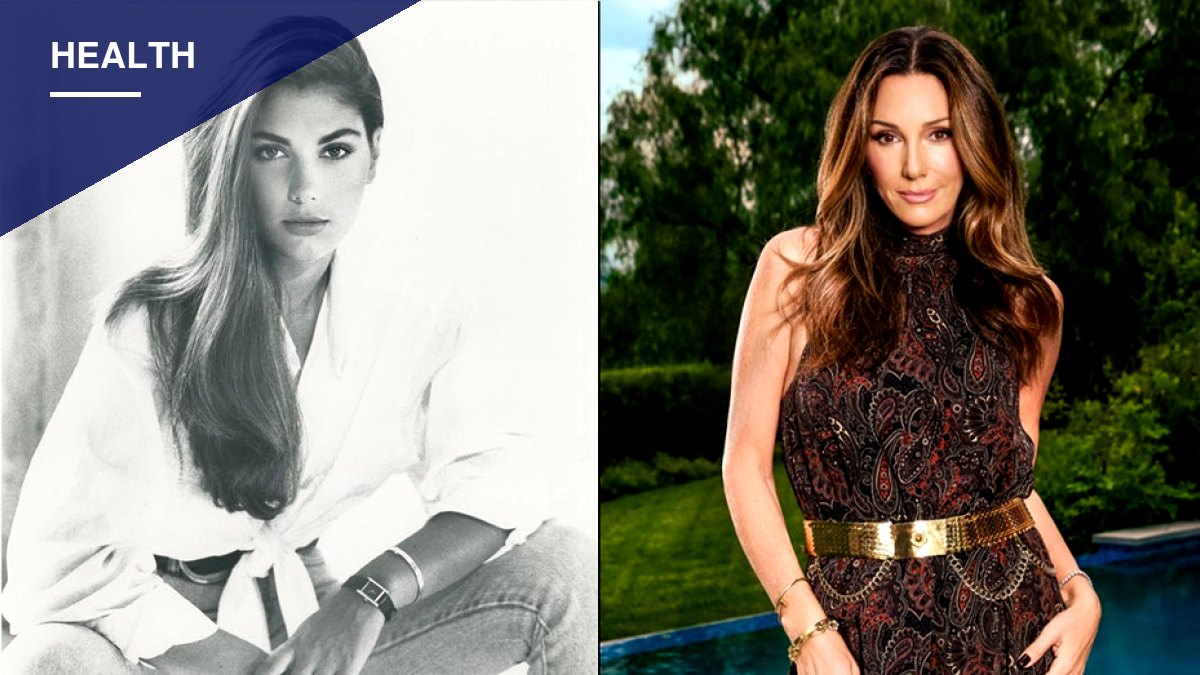
Daisy Fuentes, the former MTV personality and supermodel, is marking her 60th birthday with a simple message: she’s no longer chasing the version of health and fitness that defined her 20s and 30s.
In an interview with Fox News Digital, Fuentes said her priorities shifted dramatically from her modeling days, when she admitted “being cute” came first.
“In that era, I was more focused on, how can I look better? How can I lose a few pounds to look better in certain clothes? It was very superficial. And as the years have passed, health and wellness has started to become an inside job,” she said.
“When you start realizing that most of your life has already happened, how you want to live your life now … becomes more about being present and being able to enjoy the time that you have left,” she added.
Keeping it simple
Fuentes said she tries to avoid getting swept up in the overwhelming volume of wellness advice online.
“On social media, depending on your algorithm, you can get bombarded and overwhelmed with all the [things] that you’re supposed to be doing and not doing,” she said. “Yes, some of those things are smart … I do a lot of the things, but I also realized at a certain point that it’s much more important to have fun, to be present, to not obsess, and to leave a little room for the unexpected.”
Sleep struggles and solutions
In her 50s, Fuentes began experiencing sleep difficulties tied to menopause-related hormone changes. She said hormone replacement therapy helped significantly.
“Balancing out my hormones [and] going on HRT helped tremendously,” she said. “It got me feeling back to my old self, where the minute I got in bed, I would do a little scrolling and all of a sudden my eyes would start closing.”
She also leans on a sensory routine to fall asleep, including red-light-blocking glasses, a silk eye mask and an air purifier used for white noise.
“Right as I’m going to sleep, I pop that mask on and it’s almost like magic. It does something to your brain. It relaxes you.”
“Our room is set up for sleep,” she said. “We don’t hear anything, we don’t see anything, and it is a sensory experience … a routine that instantly prepares your mind for what it needs to do.”
Short workouts, consistent effort
Fuentes strength trains four or five times a week, but keeps sessions brief. “That doesn’t mean it has to be long … I can do a full-body weight training in 20 minutes, and that’s what’s important to me right now,” she said.
She also does Pilates, walking and outdoor activity, and sometimes uses a vibration plate with weights for short 15-minute sessions involving planks, sit-ups and squats.
“Some days I have more energy, some days I don’t, and I don’t beat myself up about it. I do what I feel like doing and as long as I’m doing something, I’m okay,” she said.
Eating with less rigidity
Noticing weight gain around her midsection in her mid-50s during menopause, Fuentes cut back to roughly two meals a day and stopped mindless snacking, focusing instead on protein.
“I try to make it very protein-based,” she said. “I start my day with a coffee that already has 20 grams of protein in it … And if I’m having a snack in the middle of the afternoon, it’s going to be protein-packed yogurt with some nuts and berries.”
She adopted a vegetarian, plant-based diet in her mid-40s but said healthy eating doesn’t require an all-or-nothing approach.
Slowing down by choice
In her late 40s, Fuentes said she deliberately chose to slow down after decades of fast-paced work.
“Ambition that never ends is something that I think needs to be adjusted as we flow through life,” she said, adding she no longer feels the need to “be out there and be chosen” the way she did in her 30s.
“I started embracing the fact that I am in this era of my life where I don’t want to work like when I was 30 … and it’s OK to feel proud of myself for what I have accomplished,” she said. “I don’t want to feel guilty for enjoying the fruits of my labor, for enjoying my life now.”
She said she now recharges through reading, tea with friends, time in her backyard, and hour-long walks, and expressed gratitude for her relationship with her husband, musician Richard Marx, whom she met in her mid-40s.
“Finding love and finding your person later in life made me feel so grateful to have the time to spend with him,” she said. “Why would I want to pretend to be busy doing something when what really fills my heart is to be with him, to have fun, to do what I want to do right now?”
Fuentes acknowledged her position is a privileged one, but said it followed decades of sacrifice. Entering what she calls her “anti-hustle era,” she said the real question for people her age is whether they’re staying busy out of habit — or ready to embrace something new.