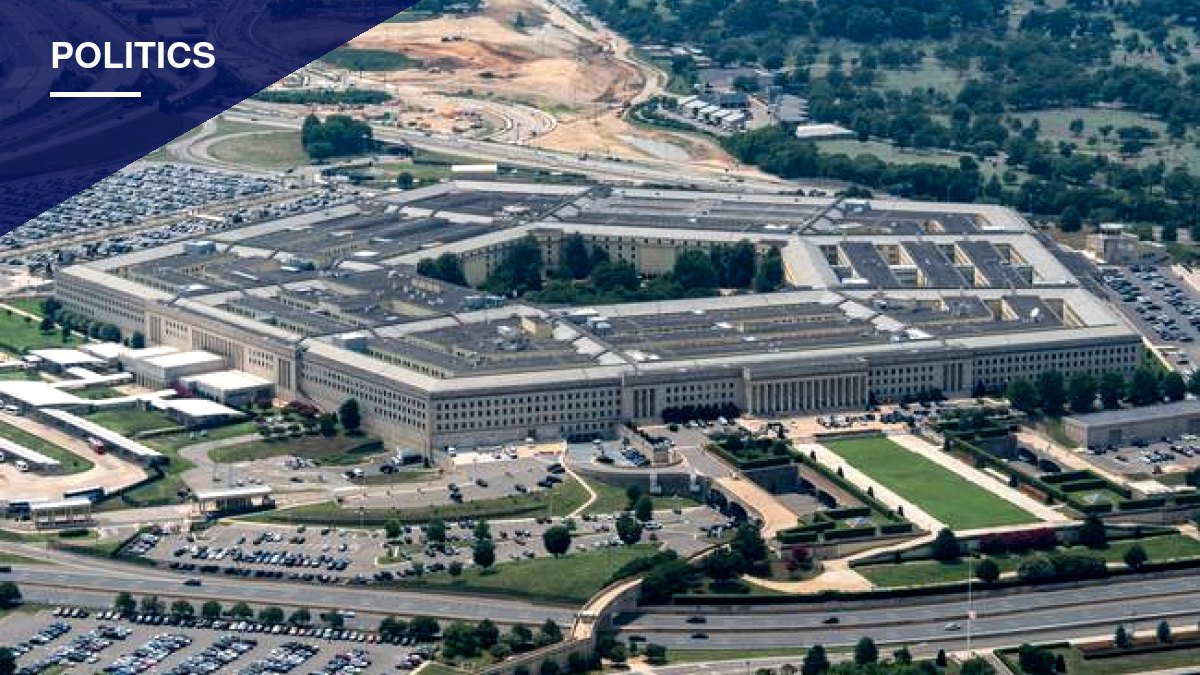
The Defense Department’s inspector general has launched a new audit examining whether officials followed federal law when awarding contracts, loans and investments to private companies, even as the department continues to struggle with its own finances. The Pentagon has now failed nine consecutive financial audits.
The review comes as the Trump administration asks Congress to approve a record $1.5 trillion in national defense spending, and as Secretary of War Pete Hegseth pushes to speed up military procurement to help American companies developing security-critical technology move faster through federal bureaucracy.
In a November 20 memorandum, the inspector general described the purpose of the audit: “The objective of this audit is to determine whether the DoW’s processes for issuing awards complied with applicable laws and regulations, specifically controls for preventing improper influence and safeguarding nonpublic information.”
Auditors plan to focus on high-dollar awards and will seek representation across all military services, at least one department agency, and industries including rare earth minerals, drones, rocketry and what the memo calls “super intelligence.”
Why the audit was requested
Democratic lawmakers had requested the review after a Washington Post report found that companies with ties to President Donald Trump’s sons had secured $3.2 billion in Pentagon contracts, investments and loans.
One of those companies is Vulcan Elements, a rare earth magnet manufacturer that received a $620 million Pentagon loan in late 2025. Its investors include 1789 Capital, a venture capital firm where Donald Trump Jr. is a partner. ProPublica previously reported, according to the Post, that the White House had demanded Vulcan Elements receive priority for Pentagon funding.
The inspector general’s memo does not name Vulcan Elements as a specific target of the audit, and it acknowledges constraints on the review’s scope: “This audit, while appropriately scoped due to the OIG’s limited resources, will provide DoW leadership, Congress, and the American people with an independent assessment of whether DoW officials made award decisions in accordance with Federal law, DoW policy, and ethics obligations.”
A mixed record on financial accountability
The Pentagon has shown some improvement on its long-running accounting problems. This year, 14 of its 25 standalone reporting entities passed their financial audits, up from 11 the previous year. Those 14 entities account for 56 percent of the department’s assets and 86 percent of its liabilities.
Democratic lawmakers are preparing broader investigations into defense contractors tied to the administration, while the audit’s outcome could also shape how Hegseth’s push for faster procurement is received in Congress. Whether Vulcan Elements’ loan was driven primarily by military necessity or other factors is a question the department’s own records will need to answer.