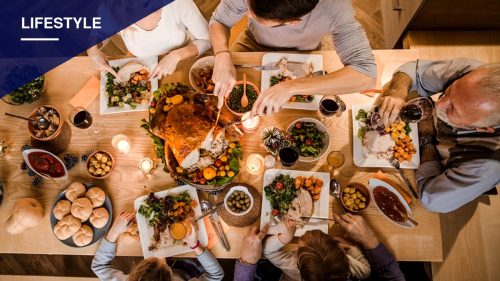
With about 15% of Americans now reporting they’ve used a GLP-1 medication such as Ozempic or Wegovy for weight loss, a lot of holiday plates may look different this Thanksgiving. These drugs tend to suppress appetite and reduce what doctors call “food noise,” which can make the usual rituals of a big family feast — second helpings, pie debates, pressure to clean your plate — a little awkward to navigate.
Patricia Araujo, a registered dietitian at Northwestern Medicine in Chicago, offered some practical advice for people on these medications who want to enjoy the holiday without overeating or offending the cook.
You Don’t Have to Explain Yourself
Araujo said patients on GLP-1 drugs often struggle with how to handle questions about food at gatherings. She noted that no one is obligated to share anything about their medical history, but it helps to decide in advance how much you’re willing to say.
If a relative pushes seconds on you or asks why you’re skipping a dish, she suggested having a response ready, such as, “That looks delicious. Thank you for offering. I’ve had enough,” or simply, “I’m comfortably full right now.”
You don’t need to mention the medication at all. As Araujo put it, sometimes it’s enough to say you’re working on smaller portions or making some dietary changes, while still telling the host how much you’re enjoying the meal.
Prioritize Protein and Fiber
Araujo recommends loading up on nutrient-dense foods — protein, fiber, vitamins and minerals — rather than empty calories.
“Protein is important because it helps us maintain muscle mass when we’re taking a GLP-1 and losing weight,” she said. At the Thanksgiving table, that means skinless roasted turkey, beans, chickpeas, lentils and tofu.
Fiber matters too. “Fiber is really important for digestive health and to keep things moving,” Araujo said, pointing to fruits, vegetables and whole grains — roasted vegetables, a leafy salad or a baked sweet potato all work well.
Go Easy on Heavy, Fatty Dishes
Because GLP-1 drugs can cause side effects like nausea and constipation, Araujo said rich, high-fat foods are harder on the stomach for people taking them. She advises caution with fried foods, heavy casseroles and sugary desserts loaded with butter, oil or cream, and recommends sticking to smaller portions if you do indulge.
Small Plates, Small Portions, No Guilt
People with a reduced appetite from these medications shouldn’t feel pressured to pile their plates high or finish everything in front of them.
“Giving ourselves permission to eat smaller portions, not feeling pressured to have to finish everything on our plate, will be helpful during Thanksgiving,” Araujo said.
She suggested surveying the spread before filling a plate, and using a smaller plate — a salad plate, if one’s available — to help with portion control. Eating slowly, taking small bites and paying attention to fullness cues also helps. And if there’s food left over, she said, asking for a to-go container is always a reasonable move.
Talk to Your Host Ahead of Time
If you’re worried the menu won’t include anything you can comfortably eat, Araujo recommends reaching out to the host beforehand to ask what’s being served, or offering to bring a dish yourself. That gives you a chance to bring something nutrient-dense that you know you can eat and enjoy without feeling unwell.
She also suggested giving classic Thanksgiving dishes a healthier twist — for instance, making stuffing with whole-grain, high-fiber bread and adding vegetables instead of using plain white bread.