Federal action led to TSA employees receiving missed pay, ICE officers were moved to airports, and officials warn it may take days for normal security operations to resume.
President Trump’s directive ordering the Department of Homeland Security to make payroll for Transportation Security Administration staff took effect on Monday, and paychecks started hitting accounts. Airport scenes that had become chaotic eased as immigration enforcement officers were temporarily deployed to help manage security checkpoints. The move appears to have been a quick, top-down fix to an acute personnel and morale problem caused by the prolonged shutdown.
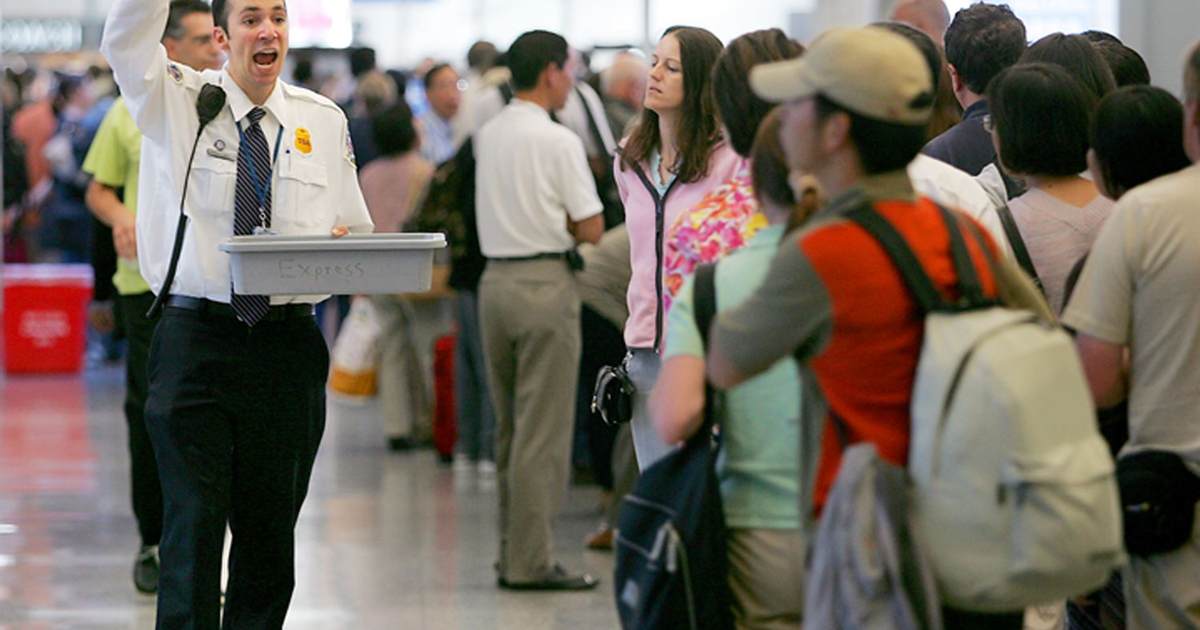
Airports that had been bottlenecked, including busy hubs like Atlanta and Austin, saw immediate relief where ICE personnel stepped in to assist TSA with screening and line management. Travelers reported shorter waits in places where the extra hands were assigned, though officials caution the improvement is uneven across the system. Operational normalization will depend on staff returning to duty and payroll processing clearing for everyone.
TSA Union President tells MSNow that "the good majority of officers will return to work" after President Trump ensured they got PAID.
"It will significantly bring down the wait times." pic.twitter.com/JwzvKoVOWP
— Townhall.com (@townhallcom) March 30, 2026
Most Transportation Security Administration employees received back pay on Monday from the Department of Homeland Security shutdown, but it may be a while before airport security lines return to normal.
DHS Acting Assistant Secretary Lauren Bis confirmed Monday that TSA workers have received at least two missed paychecks as the shutdown hit a record-breaking 44th day.
“A small population might see a slight delay due to a variety of reasons, including financial institution processing times or issues with their direct deposit,” Bis added.
“We are working aggressively with USDA’s National Finance Center to complete processing for the half paycheck they are owed from pay period 3 as soon as possible.”
According to DHS, more than 500 TSA agents working without pay during the more than 40-day shutdown ended up quitting. Thousands more called out of work.
The administration says most TSA employees received two missed paychecks on Monday, though some will experience administrative delays tied to direct deposit or payroll processing. That kind of lag is common when agencies make large, out-of-cycle payments, but for front-line security staff the timing is everything. People who quit or who stayed home during the stoppage will determine how fast airports can scale back to normal staffing levels.
Even with the immediate payroll action, federal officials acknowledge the shutdown left lasting damage: more than 500 TSA staff reportedly quit and thousands called out during the outage. Those losses mean managers must scramble to fill shifts and retrain when necessary, and that translates to slower checkpoint throughput in many places. Rebuilding trust and sustained staffing will take more than a single corrective payment.
Using ICE agents as a temporary patch made tactical sense, but it is not a substitute for a fully funded and operating TSA workforce. Moving law enforcement and immigration personnel to screening lines helped in spots, yet it creates questions about resource allocation and mission focus. Republicans and conservatives have been quick to point out that leadership and budget clarity are the long-term answers—not endless stopgap measures.
Meanwhile, Congress isn’t rushing back to address the root cause; lawmakers planned a two-week recess and were not set to reconvene officially until April 13. That timetable frustrates anyone who wants a durable solution to staffing and payment stability for vital security functions. The reality is that executive action can provide relief, but only regular appropriations and a functioning legislative calendar will prevent these recurring crises.
Employees and travelers alike want clear expectations: paid workers at their posts, consistent screening standards, and predictable wait times. Restoring those conditions means reconciling budget disputes swiftly and incentivizing staff to return to public service. Until Congress and the administration settle funding for DHS, the system will be vulnerable to the next political standoff.
The immediate outcome is positive: pay landed for most TSA personnel and some airports saw measurable improvement in lines. Still, the broader picture demands attention—lost workers, processing delays, and a reliance on ad hoc deployments reveal structural weaknesses. Fixing those weaknesses requires decisive budgeting, accountable leadership, and a commitment to keeping essential security services running regardless of political theater.