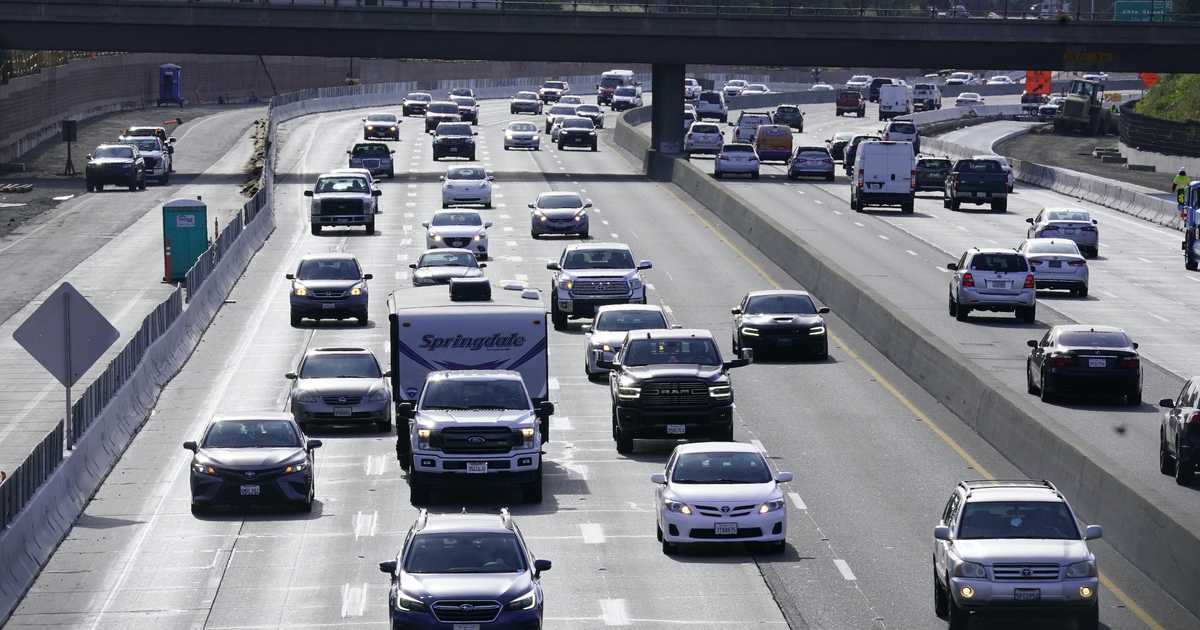
A federal regulation tucked into a 2021 law would require driver-monitoring systems in new cars by about model year 2027, sparking sharp debate over safety benefits versus permanent surveillance and unclear data use.
A 2021 bill signed under the Biden administration has resurfaced as a major privacy and liberty concern for many conservatives. Section 24220 of the Infrastructure Investment and Jobs Act demands driver-monitoring systems in new passenger vehicles starting around model year 2027. The technology is framed as a safety upgrade but raises questions about data, control, and who ultimately benefits.
The mandate calls for systems that passively observe drivers using infrared cameras and sensors to track eye movement, pupil size, head position, drowsiness cues, and in some cases lane-control behavior. Those sensing tools would do more than warn a fatigued driver. The regulation specifies the tech must be able to take action, including what the rule calls “preventing or limiting motor vehicle operation.”
Every new car in the U.S. will be required by law to have tech that puts constant surveillance on the driver by 2027.
AI in your car will determine if you're sober and fit to drive, automatically turning off the vehicle if it determines you're a danger on the road. pic.twitter.com/7SDbAJ2GyC
— Pubity (@pubity) April 25, 2026
That phrase matters because it suggests active control over a car if the system judges the driver impaired. Potential interventions listed range from blocking a car from starting to reducing speed or forcing a pull over. From a Republican perspective, putting automated authority between a person and their vehicle is a red flag, not only for personal freedom but for basic safety if systems misinterpret ordinary behavior.
Supporters pitched the measure as a tool to fight impaired driving and save lives, and nobody questions the goal of stopping drunk driving. But the system’s blunt mechanics mean normal variations in appearance or behavior could be flagged as impairment. Drivers with medical conditions, those who wear certain eyewear, or people from different cultural or physical backgrounds could find themselves repeatedly undermined by a machine’s judgment.
Data handling is another core problem. The law does not lay out clear limits on where the information goes, how long it is stored, or who can access it. Once that data exists it can be monetized or weaponized, whether by insurance companies, vehicle manufacturers, or law enforcement agencies looking for easy evidence. Conservatives worry that a safety pitch could be a Trojan horse for a permanent surveillance infrastructure.
Technology fails, and when it does in a moving vehicle the results can be dire. Sensors and cameras are not infallible, and environmental conditions or software glitches can produce false positives or negatives. An erroneous forced stop in the middle of traffic, or a refusal to start in a remote area, is not a theoretical risk; it is a foreseeable outcome of giving machines the final say on roadworthiness.
There are also perverse incentives to consider. Automakers and insurers could design systems that err on the side of intervention to reduce liability or claims. Fleet operators might demand access to monitoring data to discipline drivers. That creates a dynamic where the technology protects institutions more than individuals, and where private companies gain surveillance power with little public accountability.
The new administration’s pick to lead the National Highway Traffic Safety Administration signaled support during his confirmation hearing, saying the change “is a day one priority of mine,” framing enforcement as a safety-first mission. That stance shows how quickly a safety regulation can become policy momentum. Republicans are right to press for clearer limits before hardware and software roll into millions of cars.
Policymakers should insist on strict rules about data ownership, retention, and third-party access, and they should demand rigorous testing across diverse populations before any mandate takes effect. There should also be clear appeal processes for drivers who suffer from false interventions, and protections to prevent insurers or employers from using the data against people. Those guardrails are essential if the technology is ever to be trusted.
The choice ahead is straightforward and urgent. Lawmakers can accept a top-down surveillance model that grants new authorities to systems and outsiders, or they can slow the mandate and set strict limits to protect drivers. For many conservatives, the right response is to prioritize individual liberty, strong privacy protections, and real-world safety testing over a rushed, one-size-fits-all federal requirement.