Sotomayor apologizes after a personal swipe at Kavanaugh over his concurrence in Noem v. Vasquez Perdomo, calling her earlier comments “inappropriate” while the court’s debate over immigration enforcement continues to draw attention.
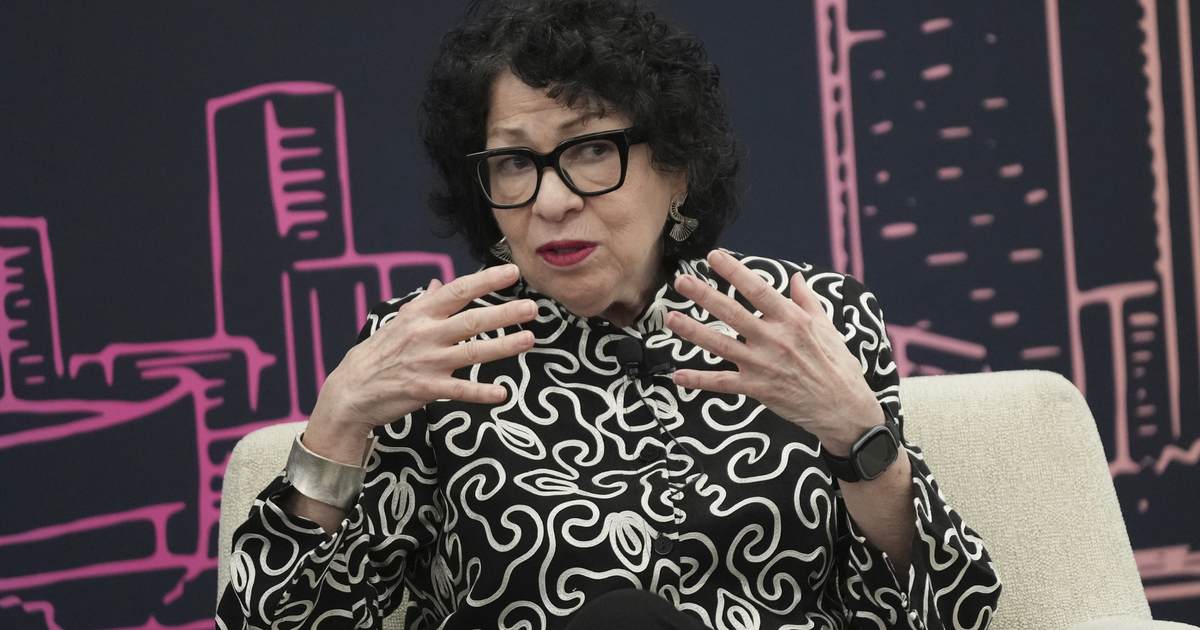
Supreme Court Justice Sonia Sotomayor publicly apologized for what she called “inappropriate” remarks aimed at Justice Brett Kavanaugh after a recent event. The apology followed comments she made about Kavanaugh’s concurring view in Noem v. Vasquez Perdomo, a case tied to temporary stops of suspected illegal immigrants. The exchange has become a rare instance of open friction among justices outside the courtroom.
Sotomayor’s original critique targeted Kavanaugh’s take on immigration enforcement and the language he used in that concurrence. She framed her remarks around class and experience, suggesting they reflected different life backgrounds between the justices. For conservatives, the episode underscored concerns about judicial temperament and impartiality in public fora.
Sotomayor had said in part:
News: Sotomayor apologizes for her recent statement about Kavanaugh in a new statement from SCOTUS @CourthouseNews pic.twitter.com/2erOP58DRR
— Kelsey Reichmann (@KelseyReichmann) April 15, 2026
“I had a colleague in that case who wrote, you know, these are only temporary stops,” Sotomayor said at a University of Kansas School of Law event on last Tuesday.
“This is from a man whose parents were professionals. And probably doesn’t really know any person who works by the hour.”
The language stood out because it personalized a legal disagreement, moving from statutory interpretation to a debate about upbringing and class. That shift prompted immediate backlash from observers who expect justices to keep debates focused on law and precedent, not on personal backgrounds. Sotomayor’s apology seeks to walk that back, but the moment already landed in public view.
Kavanaugh’s concurrence in Noem v. Vasquez Perdomo addressed enforcement tools for suspected illegal crossings and emphasized practical concerns judges weigh when writing separate opinions. His approach drew attention from those who want the court to support clear enforcement mechanisms at the border. Conservatives argue that judicial opinions should reflect the realities faced by law enforcement and the communities affected by illegal immigration.
The exchange also raises questions about how justices engage with the public and with each other outside formal opinions. When a justice criticizes a colleague’s background or frame of reference, it risks politicizing the bench in a way that diminishes public confidence. From a Republican perspective, restraint and respect for institutional norms matter, especially on issues where the court’s role is to apply the law, not to score social points.
Sotomayor’s apology may calm immediate tensions, but it does not erase broader disagreements over immigration policy that play out in the courts and across the country. The case at hand involves how far courts should defer to government strategies for stopping suspected illegal entry, a policy area that divides lawmakers and citizens alike. The Supreme Court’s handling of such disputes will continue to attract scrutiny from every side.
Observers on the right see the incident as a reminder that public comments by justices carry weight and can change how decisions are perceived. They argue the court benefits when disputes stay in legal text and not in personal jabs at colleagues. That kind of discipline preserves the court’s credibility and keeps attention on the legal rules at stake.
For now, the focus returns to the merits of the case and how the court will confront disputes over immigration enforcement tools. The episode itself will linger as an example of how tone matters when members of the judiciary speak outside their opinions. Republicans will watch both the court’s rulings and its public conduct closely as key issues like border security remain front and center.