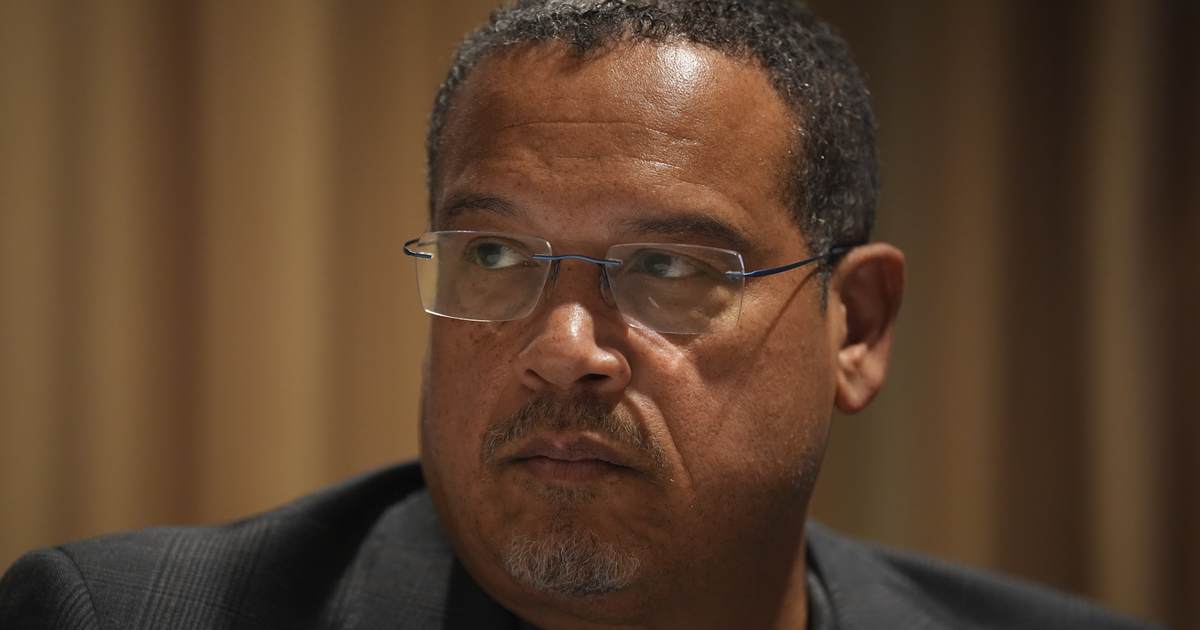
Keith Ellison appeared distracted while a constituent described an encounter with ICE, and the moment has become a symbol for critics who say Democratic leaders prioritize other interests over the people who vote for them.
I write this as a conservative, Catholic, pro-life woman who has felt the brunt of policies from the other side, so I speak from experience when I say party loyalty does not guarantee care. Democrats have used government power against people like me and shown contempt for dissenting views, and that pattern matters when officials ignore their own constituents. Seeing leaders who talk about compassion act differently at moments like this undermines public trust.
Take the neighborhood example: East Villagers overwhelmingly backed Zohran Mamdani, with that area voting about 70 percent for him, and residents are now pushing back against a decision to move a troubled men’s homeless shelter into their community. Voters who thought their choices would be respected feel blindsided when problems follow those decisions. That dissonance between campaign promises and results feeds a broader anger about who actually gets prioritized.
There are concrete incidents that sharpen the argument. A daughter sexually assaulted by an illegal alien getting just 180 days in jail, a non-English-speaking truck driver killing someone on a highway, or a child shot while walking the Chicago lakefront are the sorts of cases that test a community’s faith in its leaders. When elected officials shrug at those harms, many people conclude their safety and concerns are low on the list. That sense of being ignored is political dynamite for the party that expects those votes.
In Minnesota, Attorney General Keith Ellison had a moment that illustrates this problem starkly: a woman was clearly distraught while describing her experience with ICE, and Ellison was on his phone. Even if you disagree with the specifics of ICE’s actions, there is a basic human standard of attention that public officials should meet when someone is pleading their case. For a politician who opposes ICE, at minimum he should show sympathy; the optics of scrolling during a constituent’s story are catastrophic.
Observers say he never really looked up, and a staffer eventually told him the phone should be put away because it was distracting and offensive to those present. That interaction was brief but telling, and it was caught on video by people in the room. The brief staffer intervention only highlighted how out of touch his behavior seemed to the audience.
Seven seconds passed as he adjusted the phone and then set it down for a moment, an action so small it felt performative rather than sincere. He set the phone down for seven seconds and then picked it up again, which made the whole exchange feel scripted instead of empathetic. In politics, small gestures like that are interpreted as barometers of genuine concern or its absence.
There was nothing visible requiring his attention at the time, and if there had been a genuine emergency he could have excused himself and taken the call privately. Instead he stayed on stage, focused on his device while a constituent spoke, which sends a loud message about priorities. Citizens expect at least the courtesy of being heard when they approach an elected official with a personal story.
LMAO
Did Minnesota Democrat AG Keith Ellison just get called out for being on his phone while a voter cries to him?
Then he picks it back up 🤣
Democrats literally don’t care about you.
It’s all for show. pic.twitter.com/wolUF5zWpD
— RNC Research (@RNCResearch) April 23, 2026
That behavior fits a pattern many Minnesotans complain about: officials who seem to defend or prioritize undocumented immigrants and certain community factions while regular voters feel overlooked. It is easy to dismiss one incident as a fluke, but repeated small slights pile up into a convincing narrative for those who are already skeptical. People remember how they were treated long after they forget a policy speech.
Political consequences are already visible in recent shifts: 53 percent of White women voted for President Trump in 2024, and there were notable rightward moves among Black and Hispanic voters as well. Those changes didn’t happen in a vacuum; they reflect a growing impatience with a political class that appears out of touch. Moments like Ellison’s phone distraction are not the sole cause, but they are powerful symbols that shape voter perception.
If Democrats want to hold onto their coalition, optics and empathy matter as much as policy talking points. Showing up and listening to the people who elected you should be the baseline for any public servant, and failing that baseline creates political openings for the opposition. For many voters, respect and attention are nonnegotiable, and ignoring that will have consequences at the ballot box.