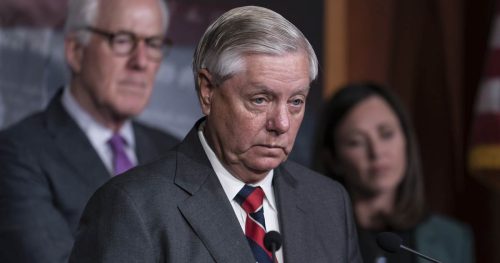
The Senate moved a budget resolution forward overnight that unlocks billions for Immigration and Customs Enforcement and Customs and Border Protection, clearing the first procedural hurdle toward reconciliation. The narrow vote and the path ahead set up a partisan fight over border funding and the use of reconciliation to bypass the filibuster.
The Senate approved a budget blueprint that Republicans say restores funding for ICE and CBP after Democrats had blocked it. Lawmakers described the move as the opening act of a broader budget reconciliation effort designed to deliver resources without bipartisan agreement. GOP leaders framed the vote as accountability for border security and a way to fund operations Democrats had left unfunded.
Reconciliation is the mechanism at the center of this debate because it allows legislation to pass the Senate on a simple majority. That makes the budget resolution a key strategic step for Republicans who want to move quickly and avoid a filibuster. If the House takes similar steps, a full reconciliation package could follow and reshape funding for immigration enforcement.
🚨 GREAT NEWS: The US Senate has PASSED a resolution unlocking $70 BILLION for ICE and CBP that Democrats were trying to block
EVERY PENNY is worth it for mass deportations.
Get it done, DHS! pic.twitter.com/PLmbF6MUs6
— Nick Sortor (@nicksortor) April 23, 2026
The bill narrowly passed 50-48, with party-line divisions underscoring how tightly contested immigration funding has become. The close margin shows how much is at stake politically and how little room there is for defections within each conference. Expect the next rounds to be just as tight and very public.
Senate Republicans pushed their immigration funding plan forward early Thursday, adopting a budget blueprint after an all-night vote series that sets up billions for ICE and Border Patrol while sidelining Democrats.
Senate Republicans adopted their budget resolution, which tees up funding for Immigration and Customs Enforcement (ICE) and Border Patrol, and effectively cuts congressional Democrats out of the process entirely.
It’s the first major step toward unlocking the budget reconciliation process, which Republicans are diving into once again after Democrats refused to fund ICE and Customs and Border Protection (CBP) without stringent reforms.
Senate Minority Leader Chuck Schumer ripped the move on the floor, arguing the plan would dump huge sums into agencies he criticized. He said, “America is crying out for relief from high costs, and you’re here adding $140 billion to an agency that nobody — two groups — Border Patrol and ICE, that nobody respects in this country,” Schumer said. That quote landed amid a broader debate about priorities and public perception of enforcement agencies.
Republicans pushed back hard on Schumer’s framing, pointing out the operational demands at the border and the political consequences of leaving law enforcement underfunded. To many conservatives, ICE and Border Patrol are performing difficult duties that require resources, not political point-scoring. The dispute is as much about messaging as it is about actual line items in the budget.
Practical politics will determine the next steps. The House still needs to act on the measures that moved through the Senate, and members there will face their own choices about using reconciliation or pursuing other vehicles. Republican leaders have signaled they prefer reconciliation because it offers a faster, cleaner route to passing funds and policy that the Democratic minority opposes.
There are real policy trade-offs embedded in this fight: funding without reforms, funding with conditions, and the balance between enforcement and legal changes that Democrats insist on. Conversations over detainee treatment, asylum processing, and interior enforcement have all been folded into the larger package. Each provision will be debated, amended, and used as leverage as the reconciliation bill is crafted.
Beyond policy details, the move is a clear political statement from Senate Republicans about priorities heading into the next legislative cycle. They are signaling a willingness to use the majority power to deliver on promises about border control and immigration enforcement. That posture will shape campaign messages and hammer on contrasts with Democratic positions in the weeks ahead.
For anyone watching, the process from budget resolution to a final reconciliation bill will be the timeline to follow. Expect intense committee work, amendment fights, and high-profile floor speeches as the majority attempts to translate the blueprint into law. The outcome will hinge on narrow margins in both chambers and on how effectively leaders can hold their caucuses together through the ride.