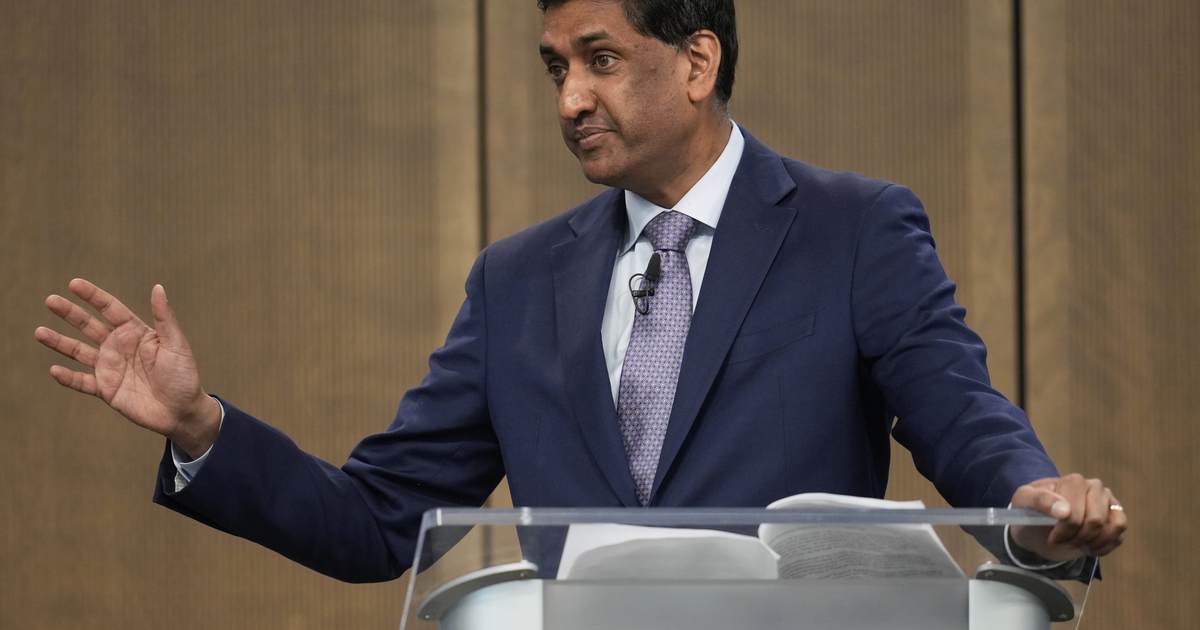
Representative Ro Khanna defended left-wing commentator Hasan Piker by saying Piker channels a widespread American anger over issues like healthcare and housing, even as critics point out Piker’s history of extreme statements and the danger of normalizing violent rhetoric.
Representative Ro Khanna (D-CA) was recently asked why he keeps defending figures like Hasan Piker after an attempted assassination targeting top Trump administration officials at the White House Correspondents’ Dinner. Khanna admitted he condemns violence but argued Piker voices a broader frustration that many Americans feel. That defense put a Democratic member of Congress at odds with conservatives who see such rhetoric as part of a larger problem on the left.
Khanna acknowledged controversial remarks tied to Piker, including mentions of the killing of a UnitedHealthcare CEO and praise for Hamas, yet he framed Piker as an outlet for people who are fed up. He emphasized economic grievances—unaffordable housing, gas, and lack of healthcare—as reasons people flock to loud, sensational voices. To Republicans, that explanation risks excusing incendiary commentary instead of holding accountable those who flirt with political violence.
UNREAL. Rep Ro Khanna defends Hasan Piker who called for the murder of Republicans pic.twitter.com/dbHzWCxd0N
— Libs of TikTok (@libsoftiktok) April 28, 2026
“I have said that Hamas is a terrorist organization. Hezbollah is a terrorist organization. I was one of the first people who condemned the shooting of the United Healthcare executive. But millions of people follow Hasan Piker. Why? Because he’s speaking about some of the frustrations,” Rep. Khanna said. “He’s speaking about the fact that people don’t have health care in America.”
“There are a lot of people on the podcast world, etc., who say things that are outrageous or sensationalist,” he continued. “And I push back when you do that. But we have to understand the anger in this country of people who feel they can’t buy a house, they can’t afford gas, they can’t have health care.”
“They’re upset at the system. It’s one of the reasons Trump won twice. And we have to engage while condemning the violence,” he said. “I never engage in approving of violence, approving of the incitement of violence, and I’ll condemn it when I hear it.”
Khanna’s point that economic pain fuels political anger is not wrong on its face, but Republicans argue that acknowledging frustration is not the same as justifying reckless or violent language. Normalizing extreme rhetoric because it “speaks” to people risks lowering the bar for what is acceptable in public discourse. The better path is to address grievances through policy and persuasion, not to amplify voices that flirt with or excuse violence.
From a conservative perspective, the timing of Khanna’s defense stings. After a violent attempt tied to political targets, leaders should clamp down on rhetoric that could inspire copycats. Saying you condemn violence while continuing to give platforms to those who glamorize or minimize violence feels like a half-measure. Americans deserve leaders who call out dangerous speech plainly and refuse to rationalize it as merely “frustration.”
There is a real debate about how to reach disaffected voters who feel left behind by the economy, and Republicans are not blind to those struggles. But the answer favored here is civic engagement, work in communities, and solutions that respect law and order. Violent acts and the kind of talk that normalizes them should be isolated and rejected, not treated as a symptom to be explained away.
Mainstreaming commentators who excuse or sidestep violent acts plays into a larger strategy of chaos that some activists exploit to push radical change. The American system is resilient because it channels dissent through ballots, courts, and public debate. When rhetoric escalates toward praising or condoning violence, it threatens that system and weaponizes anger against the common good.
Political leaders of all stripes must be careful with words, especially in charged moments. Condemnation without consequences is inadequate when public safety is at stake, and credibility is earned by consistent action. If Khanna truly wants to reduce anger and heal divisions, Republicans say he should stop excusing extreme voices and start promoting responsible, constructive channels for reform.