The Supreme Court’s ruling in Louisiana v. Callais has already reshaped the redistricting fight, and Louisiana’s governor is moving fast to redraw maps and pause primaries in response to the decision.
The Court’s 6-3 decision in Louisiana v. Callais narrowed how Section II of the Voting Rights Act can be used when race figures into congressional mapmaking. What landed on the docket was a redraw that created a second majority-Black district after an earlier map was tossed for violating the VRA, and the justices concluded that the later map crossed constitutional lines.
This was not a formal repeal of Section II, but the practical effect is huge: the ruling limits the circumstances under which judges will order districts based primarily on race. The liberal dissent warned the decision would have sweeping consequences, and state officials across the South are already recalculating the political map.
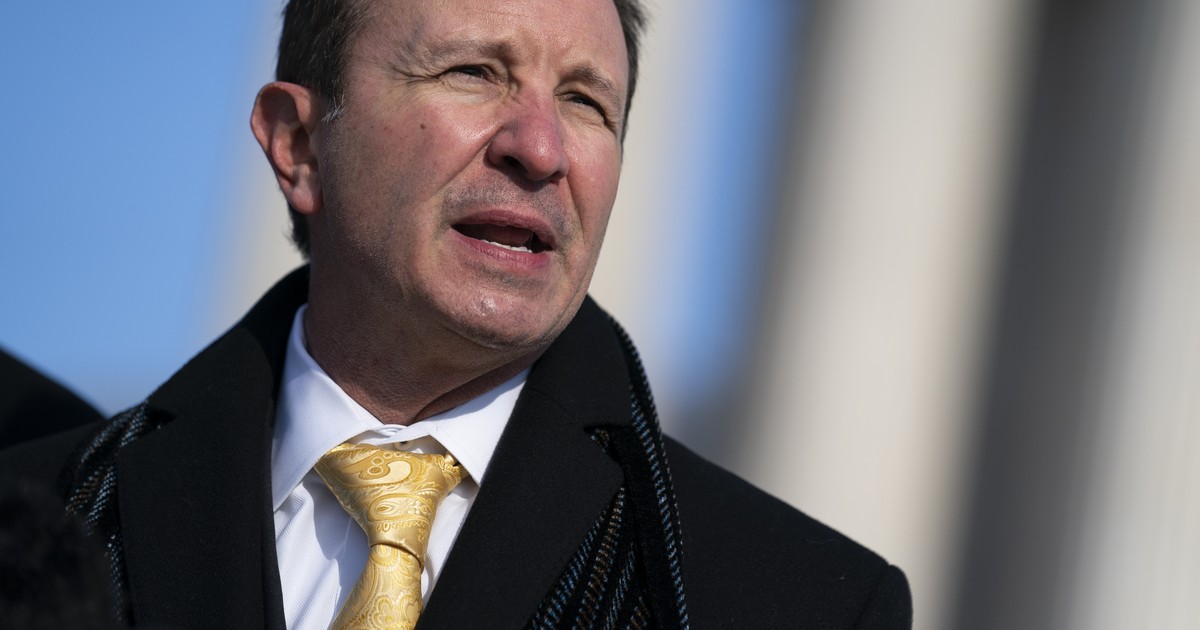
Louisiana’s response was immediate. Governor Jeff Landry told Republican House candidates he plans to suspend the May 16 primary so the state legislature can craft a new congressional map before voting proceeds. That move is timed around early voting schedules and is meant to give lawmakers a clean slate for district lines.
Louisiana Gov. Jeff Landry (R) told Republican House candidates Wednesday that he plans to suspend next month’s primary elections so state lawmakers can pass a new congressional map first, according to two people with knowledge of the calls.
The move follows a Supreme Court decision earlier in the day that found Louisiana had unlawfully discriminated by race when it created a second majority Black congressional district under legal pressure. The ruling positions Republicans to gain one or two seats in the midterms as they fight to hold their narrow majority in the House.
The 6-3 decision limited a key provision of the landmark Voting Rights Act and could lead to other Black Democrats across the South losing their House seats. Most states are unlikely to be able to redraw districts in time for the November midterm elections, but Louisiana could be one of the exceptions.
Landry’s announcement to suspend the May 16 primary could come as early as Friday — one day before early voting is to begin, according to people familiar with his plans who spoke on the condition of anonymity to discuss private conversations.
The appellees for Callais have asked the Court to strike down the current Louisiana map later today.
Breaking; Louisiana Gov. Jeff Landry (R) plans to suspend the May 16 primary elections so lawmakers can redraw the congressional map Per Washington Post pic.twitter.com/08nHlbRvV1
— OSZ (@OpenSourceZone) April 30, 2026
From a Republican perspective, this decision shifts the playing field back toward neutral districting principles and away from race-driven remedies imposed by courts. Lawmakers who favor maps drawn around communities of interest and political geography see a chance to restore districts that treat race as one factor rather than the dominant driver.
Practically speaking, most states have already passed lines or lack the time to overhaul maps ahead of November, so Louisiana’s quick pivot makes it an unusual case. If the state does succeed in producing a new map on an expedited schedule, it could yield one or even two pickups that matter in a closely divided House.
The ruling also sets a precedent other courts will weigh when faced with Section II claims tied to majority-minority districts. Courts that had been more willing to order race-based remedies must now operate within the tighter framework the majority supplied, which will shape litigation and legislative choices this cycle.
There are still legal fights to come. Parties on both sides will press state and federal courts over how the ruling applies to past remedies and pending challenges, and that process could stretch into the summer and fall. For political operatives and incumbents, the timeline is suddenly compressed and the stakes are very real.
Whatever happens next in Louisiana, this episode underscores how a single Supreme Court decision can trigger immediate state-level action. Legislatures and governors now face tough choices about timing, legal risk, and political upside as the midterms approach and the House majority hangs in the balance.