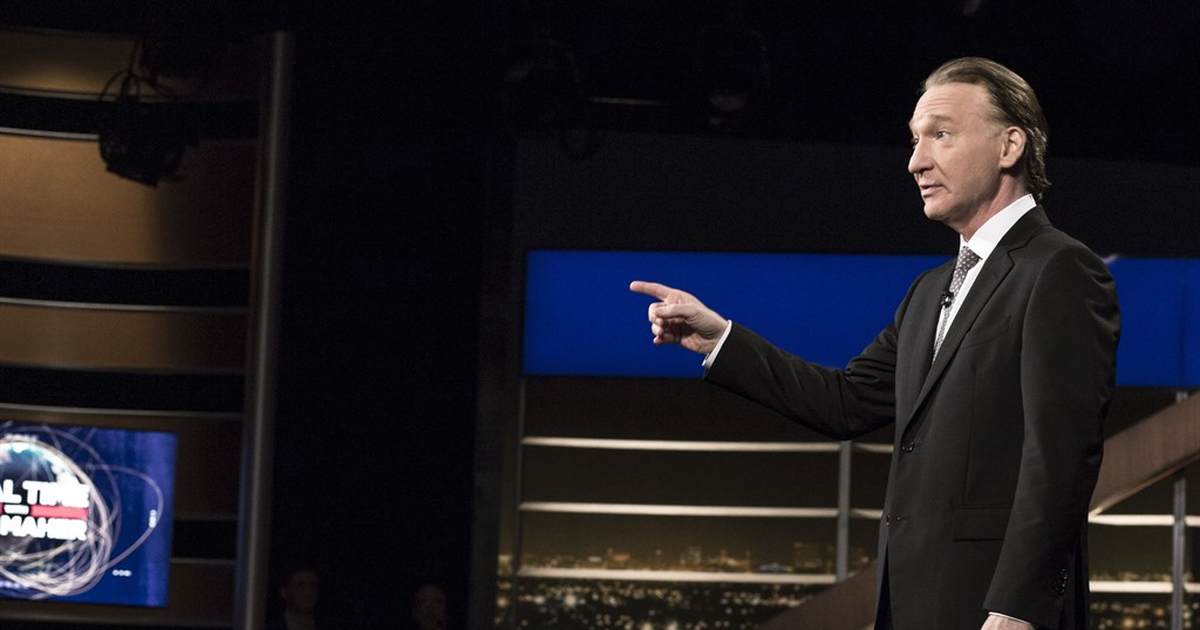
Bill Maher told guests he thought Eric Swalwell was a “f**king creep,” then walked through how the media and Democrats handled the fallout from sexual misconduct allegations.
Bill Maher had Rahm Emanuel and Jake Sullivan on his show and didn’t hold back when the conversation turned to Eric Swalwell. Maher said he never warmed to Swalwell and that his “creepdar” was on alert during their interactions. That blunt reaction set the tone for a broader critique of how political allies and the press respond to scandal.
Maher made the point that Swalwell appeared on his program a few times, yet the HBO host felt something was off from the start. He said his staff could confirm he never liked the congressman, which undercut the idea Swalwell was universally admired inside political circles. That skepticism matters because it collides with claims that Democrats and the press were blindsided by the recent allegations.
💥NEW: Bill Maher on Eric Swalwell: "We had him on a couple of times. Ask my staff: I never liked him. I don’t have good gaydar — but I got creepdar. I always thought this guy was a f*cking creep. I never liked him." pic.twitter.com/QCMWJoU0hw
— Jason Cohen 🇺🇸 (@JasonJournoDC) April 18, 2026
Swalwell’s career unraveled quickly after multiple women accused him of sexual misconduct and rape, including claims tied to 2018. He withdrew from the California governor’s race last Sunday and resigned from Congress two days later, actions that left a lot of questions about who knew what and when. Those rapid moves were as much about politics as they were about accountability.
Maher did not soften his language when he relayed his view of Swalwell. “Ask my staff: I never liked him. I don’t have good gaydar — but I got creepdar. I always thought this guy was a f*cking creep. I never liked him,” he said. That quote matters because it came from someone inside the media ecosystem admitting he saw warning signs that others say they missed.
Democrats say they were unaware of any widespread misconduct, but that claim strains credulity when you consider Swalwell’s visibility and proximity to party leaders. Nancy Pelosi kept him in her inner circle, which makes collective ignorance hard to accept. In Washington, reputations travel fast, and silence from allies looks less like surprise and more like protection.
Sen. Ruben Gallego’s off-the-cuff comments only made the situation messier, when he suggested he had heard Swalwell was “flirty” in the past. That kind of public slip feeds the sense that whispers were around for years and that they finally broke into headlines. When whispers turn into formal accusations, the response from party bosses and the press becomes a big part of the story.
There’s a clear engine behind why figures like Swalwell get cozy treatment: they serve a purpose in political fights, especially against conservative targets. Swalwell’s attacks on Trump and alignment with the media narrative made him useful, so criticism and scrutiny were often softer. Once those political needs shifted, protection evaporated and the truth rushed forward.
When the pressure built, Democrats appeared willing to sacrifice Swalwell to limit damage and redirect attention. That pattern is familiar: defend when useful, distance when dangerous. It’s an ugly but predictable feature of modern politics where loyalty is transactional and ambition rules the day.
Conservative observers see this as proof the press and party elites prioritize partisan advantage over consistent standards. Maher’s surprise that the media moved to shield Swalwell reads as a late realization rather than a realignment of values. For Republicans, the episode reinforces longstanding complaints about double standards in how allegations are treated depending on who benefits politically.
The fallout leaves several loose ends, including how many inside the party knew about allegations and chose not to act, and how quickly political calculations shift when a story becomes inconvenient. The public deserves answers, and institutions that covered for allies must be pressed for transparency. The dynamic that protected Swalwell until it no longer served a purpose is what many conservatives point to when they argue media and political elites are biased.