Mayor Zohran Mamdani criticized federal spending on conflict with Iran and argued those dollars would be better spent helping working-class Americans, sparking a debate over whether redirecting war funds to domestic priorities would actually deliver results.
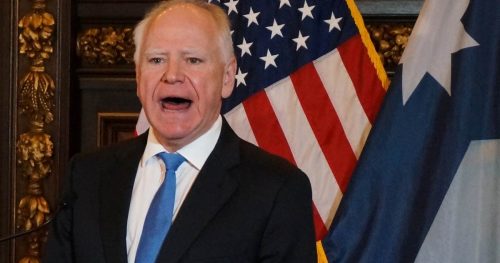
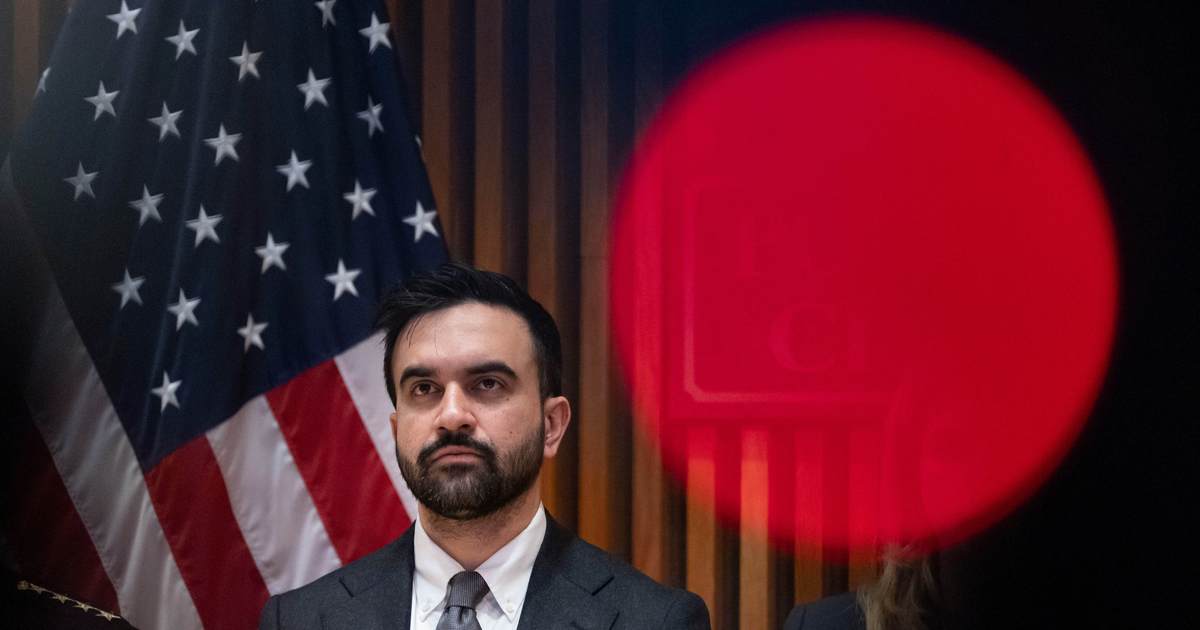
New York City Mayor Zohran Mamdani blasted the Trump administration Thursday for spending taxpayer money on waging war in Iran instead of using those same funds on Americans at home.
“Our country has spent now close to $30 billion on a war in multiple countries in the Middle East that has killed thousands of people, costing at least $500 million a day,” Mamdani said. “The return on that is images of our country bombing girls’ schools in Iran.”
We are spending at least $500 million a day to bomb Iran.
Imagine how many teachers we could hire, how many public housing units we could build, how many bridges and roads we could fix, if we spent that kind of money on improving life for working people? pic.twitter.com/oJ7vOCqL3P
— Mayor Zohran Kwame Mamdani (@NYCMayor) April 16, 2026
The same amounts of money would be transformative for the lives of working-class people across the city, across this country. The choice instead to invest that kind of money in war doesn’t just speak of a complete abdication of our political, economic, and moral responsibilities. It also speaks to a choice that will itself exacerbate this cost-of-living crisis, and that we’re seeing that already in this city.
“When we speak about taxing the rich, when we speak about what we want this city to be, it’s a vision of a city where working-class people can do more than struggle,” he added. That position resonates with many voters who want resources focused on neighborhoods, schools, and housing instead of foreign engagements.
The idea that money should always stay at home sounds good in a bumper-sticker world, but it ignores messy political and bureaucratic realities. Decades of higher spending in certain federal and state programs have not reliably produced better outcomes, and simply redirecting funds does not erase those structural problems.
Consider the Department of Education: per-student spending has climbed while national test scores and graduation outcomes have stagnated or fallen in many places. The same pattern shows up in state-level initiatives on homelessness, addiction services, and housing, where big budgets have sometimes produced small results because accountability and program design lag behind the checks being written.
Politicians like Mamdani and Gavin Newsom have championed pouring more money into long-standing problems, yet they often stop short of fixing the incentive structures that make those programs ineffective. Voters can demand spending shifts, but if the architecture of a program is flawed, new dollars may just mean more of the same failure.
That political gap is why some conservative voices point back to a different approach: expand economic freedom, cut taxes, and reduce the regulatory weight that makes public and private dollars less productive. Justice Clarence Thomas recently touched on when he called on citizens to take greater ownership of the United States, a nudge toward civic responsibility rather than assuming more government checks will solve every problem.
Unlike your typical Democrat, President Trump’s approach to public investment has actually been effective, but it doesn’t rely on a typical government welfare program; it relies on expanding individuals’ financial flexibility through tax cuts, eliminating taxes on tips, and even proposing investment accounts for newborns. That model trusts people to decide how to spend money on their families, schools, and small businesses instead of central planners reallocating funds from one large line item to another.
Republicans argue the core question isn’t only how much money gets spent but who controls it and how outcomes are measured. Without transparent goals, rigorous oversight, and incentives for measurable progress, shifting $30 billion or any other large sum will likely produce the same bureaucratic churn that taxpayers complain about now.
As the debate continues, voters should demand proposals that show clear accountability and realistic mechanisms for improvement instead of promises that sound good on the campaign trail. Questions about bureaucracy, incentives, and institutional capacity matter more than slogans, and they should shape how any redirection of funds is designed and evaluated.