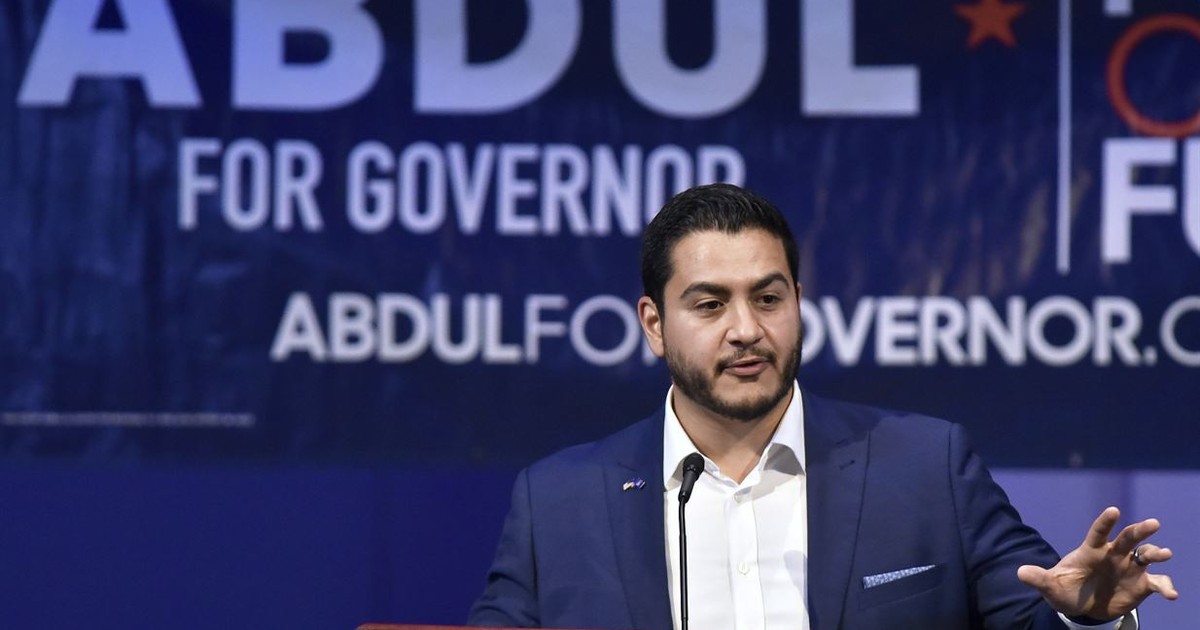
An ex-campaign staffer says Michigan Senate hopeful Abdul El-Sayed holds troubling foreign policy views and has avoided directly naming actors tied to terrorism, raising fresh questions about his judgment and alliances.
Abdul El-Sayed, who is running for the U.S. Senate in Michigan, has come under fresh scrutiny after a former veteran staffer went public with concerns about his foreign policy positions. The staffer, Jordan Domingue, worked on the campaign from 2018 until January and now says his experience points to deeper problems. Party voters and national observers are watching how these revelations could shape the race.
Domingue told reporters that conversations he witnessed “give credibility to the claims of [El-Sayed’s] antisemitism and pro-Islamist regimes/factions,” and that he tried to steer the campaign away from what he saw as damaging positions. The charge is stark coming from the campaign’s lone veteran staffer, who says he spoke up internally without success. Those internal disputes now look like public liability for a candidate who needs broad support in Michigan.
Leaked audio of a campaign call also suggests El-Sayed was counseled to avoid discussing the killing of Ayatollah Ali Khamenei because, in his words, “there are a lot of people in Dearborn who are sad…” That line, reported on previously, feeds into the narrative that the campaign prioritized local optics over clear policy signals. Opponents argue that silence on key international events is not the same as leadership.
Domingue says he pushed El-Sayed to change course and abandon ambiguous stances, but his advice went unheeded. “They turned out to be beliefs,” Domingue told the outlet that first published his account. The phrase implies these were not tactical slips or mistakes, but convictions the campaign tolerated and sometimes promoted.
HOLY CRAP
Audio obtained by @FreeBeacon shows Michigan Democrat Senate candidate Abdul El-Sayed warning not to make a statement about Khameini’s death because “a lot of people in Dearborn are sad”
MASS DENATURALIZATIONS AND DEPORTATIONS pic.twitter.com/AR9YqhPUw2
— Libs of TikTok (@libsoftiktok) March 30, 2026
Domingue further accused the campaign of “strategic ambiguity,” a tactic critics say lets a candidate avoid accountability while signaling to specific constituencies. That approach can look calculating rather than principled, and it can alienate mainstream voters who expect clear support for allies and condemnation of terrorist actors. Clarity matters in national security and foreign policy, and ambiguity invites suspicion.
After the March 12 attack at Temple Israel in West Bloomfield Township, where a terrorist tried to kill dozens of worshippers and children, El-Sayed issued a statement critics describe as noncommittal. Instead of naming Hamas, Hezbollah, or other groups linked to Iran, his remarks blamed a broader cycle of violence and faulted Israel in a way many found tone deaf. The shooter, identified as Ayman Ghazali, reportedly acted after the death of his brother, a Hezbollah commander killed in Lebanon.
El-Sayed said, “Hurt people hurt people,” and added, “Violence is a cycle,” then offered a longer defense of the attacker’s motives. “Ayman Ghazali lost his family, including two children, in an airstrike in Lebanon last week. They were innocent people. And then, in an evil act of displaced rage, he tried to take it out on innocent children who had nothing to do with the loss of the innocent children he lost, except that they share a faith,” El-Sayed said. Many Republicans and security-minded voters saw that framing as excusing or deflecting blame away from terrorism.
El-Sayed has also appeared in videos with controversial figures, including streamer Hasan Piker, who that “America deserved 9/11.” Piker has a record of pro-Hamas commentary and was suspended from a streaming platform for what the platform called “improper handling of terrorist propaganda.” Those associations make it harder for a candidate to claim tough-on-terror credentials.
Domingue said, “Antisemitism is now hidden behind calculated rhetoric, spoken by people who disguise themselves as partners of peace between Israel and Palestine,” and he added, “Personally, I regret and feel shame for excusing antisemitism and for not leaving sooner.” Those are strong words from someone who was on the inside and decided to walk away rather than stay silent.
According to Domingue, the campaign even tried to silence dissent with a payout offer that he refused. He alleges the campaign moved to contain critics rather than address the substance of their concerns. Refusing a hush payment and going public has turned internal debate into a clear campaign liability for El-Sayed.
The report also notes El-Sayed’s ties to local figures like Amer Zahr, a Dearborn school board member who has defended Hamas and Hezbollah in public forums, raising more questions about judgment and associations. Those connections are politically toxic in a general election where national security and alliances are front-and-center issues. Voters who prioritize a strong, unambiguous stance against terrorism will likely weigh these ties heavily.