Last night’s cable TV sparks boiled over into a sharp, public showdown about Iran’s nuclear program and how the media reports it, with two veteran hosts trading heated barbs over what the International Atomic Energy Agency director actually said and what that means for U.S. policy.
Television prime time delivered the usual fireworks: Fox’s Laura Ingraham hammered Rep. Mike Lawler (R-NY) over the Dignity Act, calling out the bill as a mass amnesty push and arguing strongly that the Trump White House should “kill the bill.” That confrontation set the stage for a night where tone and facts collided across networks, and viewers saw how political theater can obscure urgent security details.
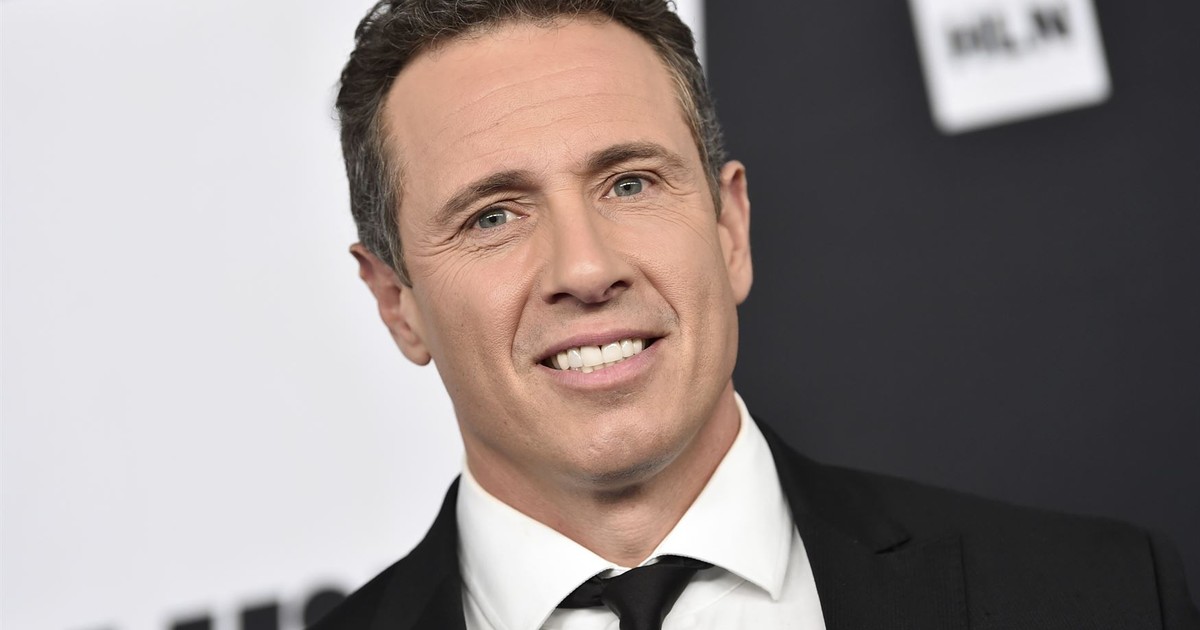
On another network, NewsNation’s Chris Cuomo and Bill O’Reilly clashed on air about Iran’s nuclear progress and what the IAEA director, Rafael Grossi, actually reported. The exchange got personal fast: each accused the other of taking quotes out of context while the country that openly chants ‘death to America’ keeps developing materials and capabilities that demand clear-eyed attention.
CUOMO: “But they haven’t had any real monitoring in 5 years.”
An instant classic.
Bill O’Reilly and Chris Cuomo just got into a full-blown DOGFIGHT live on NewsNation — with Cuomo eventually telling O’Reilly to LEAVE the show.
“KEEP QUIET for a SECOND! — NO! It’s MY show, pal!”
What started as a debate over IAEA Director Rafael Grossi’s… pic.twitter.com/WQiYkTYV3V
— Overton (@overton_news) April 9, 2026
O’REILLY: “No, but the director, Rafael Grossi on March 22nd of this year made it very clear that he believes the enrich uranium in Iran stands 60%.”
“So why would he say that? He would say—”
CUOMO: “Well, that’s not…that’s not exactly what he said.”
O’REILLY: “Alright, I got the quote right here.”
CUOMO: “Yeah, me too!”
“What’d you think, that I was just going to let you take it out of context like you did on your show last night? Not here.”
O’REILLY: “No, I didn’t take it out of context on my show.”
CUOMO: “Yeah you did!”
O’REILLY: “No! You said, quote, we didn’t know what the nuclear capabilities were. Grossi knows!”
CUOMO: “No, he doesn’t.”
O’REILLY: “Grossi knows! So, who’s we?!”
CUOMO: “No, he doesn’t. Here’s what he said. He said that they have 60% enriched uranium. Why? Because Iran says they were going to do it after what they said was Israel hitting one of their enrichment facilities…”
O’REILLY: “Alright, look, you can believe what you want to believe, but I’m believing his words.”
CUOMO: “NO, NO, NO, NO. No Bill! Just say, I’m corrected, let’s move on.”
O’REILLY: “I’m not going to say that because it wouldn’t be true.”
“YOU made the mistake and this is the quote.”
CUOMO: “No, I did not make a mistake!”
O’REILLY: “Alright, then KEEP QUIET for a second!”
CUOMO: “No! It’s my show pal!”
“If you don’t like it, you can go!”
O’REILLY: “You don’t want me to read a quote because it’s going to make you look foolish!”
That back-and-forth was classic O’Reilly: blunt, impatient, and laser-focused on the director’s words from March 22nd. The substance matters because Iran has admitted it has enough material to build what officials assess as 11 nuclear bombs, and it is visibly expanding forces and capabilities in the region. Republicans want straightforward reporting on those facts and a firm response, not hedged language that lets Tehran dodge accountability.
Cuomo pushed back hard, arguing that context matters when quoting international officials and that sloppy reporting can mislead viewers. There’s a legitimate point about careful sourcing, but there’s also a danger when nuance turns into underreaction. When a regime openly threatens the U.S. and keeps developing higher enrichment levels—60 percent is a staggering threshold—the public interest demands clarity, not equivocation.
Across both segments the political subtext was clear: some in media want to parse every syllable and deflect to process, while many conservatives insist on naming the threat and pressing for consequences. That divide plays into policy debates like Operation Epic Fury, where talking points and threat assessments shape what Washington will do next. If policymakers and pundits soften the language, Americans get a blurred view of the stakes.
That’s why this clash matters beyond cable ratings. It demonstrates how media framing can shape whether the public and leaders treat Tehran as a strategic competitor to be contained or a growing nuclear menace to be confronted. Republicans argue the correct posture is deterrence and firmness, backed by clear intelligence and decisive policy moves rather than wishful thinking.
For viewers, the duel between Cuomo and O’Reilly underscored a basic lesson: precise quotes matter, but so do the larger facts behind them. Iran’s enrichment advances, its acknowledged stockpiles, and its antagonistic posture toward U.S. forces all call for a coherent strategy that matches the threat. That strategy deserves plain language and no softness from those reporting on it.
On domestic politics, the same no-nonsense standard applies: if you want credibility on national security, you can’t turn a blind eye to lawmaking choices that weaken borders or muddle priorities at home. That’s part of why debates about bills like the Dignity Act and comments from prime-time hosts feed into a wider argument about competence and protection. The country needs both clarity and backbone, on the air and in office.
The on-air fight was loud and messy, but it forced a public airing of technical details tied to a stark reality: Iran is moving, and the U.S. must decide whether to respond with steady deterrence or more cautious words. That choice will matter to allies, to troops on the ground, and to anyone watching how America defends its interests.