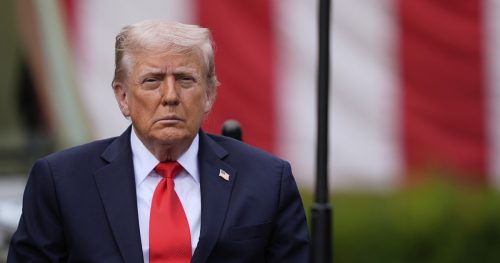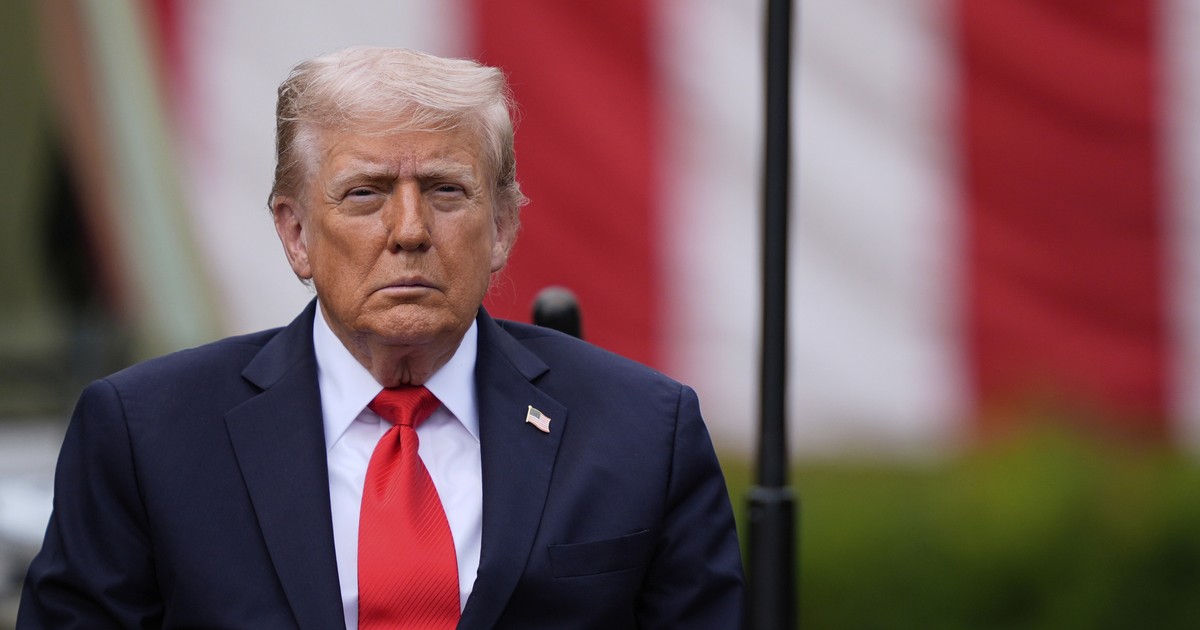
President Trump sharply criticized NATO as unreliable while praising Gulf partners for stronger cooperation and defense during recent tensions with Iran.
On CNBC’s “Squawk Box,” President Trump didn’t hold back, arguing that many NATO members have not acted like true partners when it mattered. He pointed to instances where allies limited U.S. operations and even closed airspace to American military aircraft, leaving the United States to carry the heaviest burden. That dynamic, he said, leaves NATO looking weak when the chips are down.
Trump also noted that after U.S. forces took action to reopen the Strait of Hormuz, some European leaders moved to insert themselves and claim credit. He singled out a response in which the UK prime minister and French President Emmanuel Macron talked about a European defensive operation to protect navigation. For Trump, timing and follow-through mattered more than the post-facto headlines.
He made his displeasure plain:
“You know, we have allies now in the Middle East. Maybe some are, we can maybe count on more than allies in other parts of the world. That’s true. They’re much better allies than NATO, that I can tell you,” the president said. “The ones that aren’t helping are NATO. You know, NATO said to me, no, we’ll send somebody as soon as it’s over. I said, that’s not really, you know, we don’t need them. We’ll never need them, actually. They’ll need us.”
“They need us desperately because they’re a paper tiger,” he said. “But I’ve said that, by the way, I’ve said that for a long time before I was in politics, I used to say it. I was not in politics, but I sort of enjoyed it. And I liked watching things. And I always said they were a paper tiger. Europe has to straighten themselves out.”
“NATO is a PAPER TIGER.”
President Trump just ripped NATO to shreds live on CNBC.
He told Joe Kernen that Gulf states are FAR better allies than the European partners in NATO.
TRUMP: “The one’s that aren’t helping are NATO.”
“You know, NATO said to me, no, we’ll send somebody… https://t.co/kpYN7drpO2 pic.twitter.com/E9BqNUA8M7
— Overton (@overton_news) April 21, 2026
Trump warned that Europe faces real questions about energy and migration policy that could reshape the continent’s future. “Between energy and immigration, they have to straighten themselves out, or they’re not going to have a Europe anymore,” he added, tying strategic weakness to domestic policy failures. That line of argument frames NATO’s troubles as a symptom of broader European drift, not just military arrangements.
By contrast, Trump praised Gulf partners for being dependable in the crisis and for sharing both intelligence and logistical support. He highlighted the United Arab Emirates as an example of a regional ally that stepped up when it counted. The praise underlines a Republican argument for diversifying alliances to include pragmatic regional partners who bear more of the burden.
I mean, it was shocking because we thought that they’d shoot missiles at Israel, but not every other country in the area. And you know, UAE got hit with 1,400 missiles. Fortunately, they had the Patriots and they had a great defense, and they were able to shoot down most of them. But they did get hit hard. They were hit the hardest of the group, actually. And they’re really led by incredible people.
The president credited Gulf defenses, like Patriot missiles, with blunting the worst of the attacks and preventing wider regional damage. He emphasized that those states aligned with the United States and took steps to deter further Iranian aggression. From his perspective, that practical support contrasted sharply with the rhetorical moves from parts of Europe.
Officials in Gulf capitals warned Tehran that continued strikes could bring them into coalition operations alongside the U.S., and that pressure helped roll some Iranian activity back. That kind of deterrent posture, Trump argued, is precisely what effective allies provide. The message from Washington under his influence was clear: partners who resist and deter are preferable to partners who simply issue statements.
At the same time, NATO appears to be adjusting in ways that reflect debates about American commitments and European autonomy. The alliance’s shift toward a more Eurocentric posture has been discussed amid public threats from Trump to reconsider the United States’ role. Secretary General Mark Rutte has reportedly worked to keep the alliance together while acknowledging presidential frustration, which underscores the political strain inside Western security arrangements.
For Republicans who prioritize robust deterrence and burden sharing, Trump’s critique lands in a familiar place: allies must be reliable in action, not just in words. His comments aim to pressure both NATO members and European governments to step up, while also signaling to regional partners that the U.S. values practical cooperation. The debate over leadership, commitments, and capability is likely to continue as policy choices play out on the ground.