President Trump announced he called off scheduled peace talks with Iranian representatives that were to take place in Islamabad, saying the United States will not make the long trip just to “sit around talking about nothing” and insisting America holds the leverage.
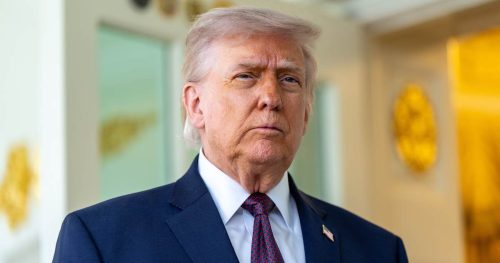
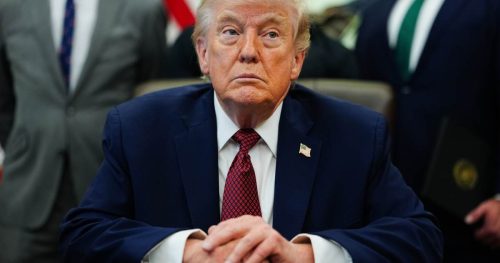
President Donald Trump made the decision public on Saturday, telling reporters and aides that he had halted the U.S. delegation’s travel plans to Pakistan. The move came ahead of what was billed as a second round of discussions with Iranian officials in Islamabad, and it immediately shifted expectations about whether diplomacy would proceed on that timetable. The announcement was reported through mainstream outlets that covered his remarks and the planned delegation.
“I’ve told my people a little while ago they were getting ready to leave, and I said, ‘Nope, you’re not making an 18 hour flight to go there. We have all the cards. They can call us anytime they want, but you’re not going to be making any more 18 hour flights to sit around talking about nothing,’” Trump said in a statement to Fox News. That blunt line framed the decision as practical and strategic, not simply procedural. The quote captures the administration’s posture: willing to engage on American terms and unwilling to expend political capital on empty gestures.
🚨 BREAKING: President Trump just told me over the phone he has unilaterally cancelled Witkoff and Kushner’s trip to Pakistan to meet with the Iranians.
"I've told my people a little while ago they were getting ready to leave, and I said, 'Nope, you're not making an 18 hour…
— Aishah Hasnie (@aishahhasnie) April 25, 2026
Washington had planned to send the U.S. Envoy to the Middle East along with Jared Kushner to lead the American side for this round. Those two figures were expected to handle sensitive conversations in Islamabad, with officials describing the trip as the next step after earlier contacts. Vice President JD Vance, who had led the earlier delegation, was not scheduled to participate in this trip but had been involved in prior efforts.
Islamabad was set to host the talks in Pakistan, a location observers saw as neutral ground for a difficult conversation. The planned second round signaled that channels of communication remained open despite deep distrust on both sides. Canceling the trip abruptly alters the rhythm of diplomacy and forces a new calculation about timing and format for future engagement.
From a Republican lens, the decision reads as deliberate leverage management: don’t reward bad-faith actors with long flights and a stage to grandstand. Trump’s framing makes the point that the United States will not appear desperate or submissive in negotiations. That posture plays to a constituency that values firmness and transactional clarity in foreign affairs.
The practical side also matters. An 18 hour flight for a delegation involves logistics, security, staff time, and political optics. Officials now have to decide whether to pursue a scaled-down meeting, a virtual format, or simply wait for Iran to make a clearer, more serious approach. Trump’s comment that “They can call us anytime they want” leaves the door open but places the burden on the other side.
There are risks to walking away from a scheduled session, and critics will argue this could harden Tehran’s position or complicate allied relations. Supporters counter that a no-show based on leverage can yield better results than ritualized talks with no substance. The administration appears to be balancing immediate diplomatic friction against a longer-term strategy of pressure and selective engagement.
Pakistan’s role as host now becomes a diplomatic footnote until both sides agree on new terms, and regional players will be watching how Tehran reacts. Islamabad had agreed to host in part because neutral venues offer plausible deniability and space to test ideas. That dynamic is now in suspension while the American side signals it will not be rushed into travel or theater.
The involvement of Jared Kushner and the U.S. Envoy underlines that Washington was prepared to put senior figures on the table for these talks. Their presence would have signaled seriousness and a willingness to discuss concrete items. Canceling their trip keeps those players available for other channels and reduces the risk of symbolic defeats on a foreign stage.
Critics from the left will paint the move as obstructing diplomacy, while many Republican voices will hail it as a necessary assertion of position. Both arguments rest on different readings of what counts as progress in negotiations with Iran. The administration’s choice rests on an assumption that strength and selectivity can produce better deals or clearer terms of engagement.
For now, the U.S. posture is clear: engagement only when it advances American interests, and no free forum for talks that lack substance. The decision sets a standard for what the White House expects from interlocutors and how it values its own time and leverage. Observers will be watching Tehran for whether it chooses to pick up the phone.
Any future move will depend on Iran’s calculations, regional pressures, and Washington’s appetite for continued face-to-face diplomacy. American officials have signaled flexibility in format but insistence in purpose. That combination will shape next steps and determine whether the next conversation happens on U.S. terms or not.