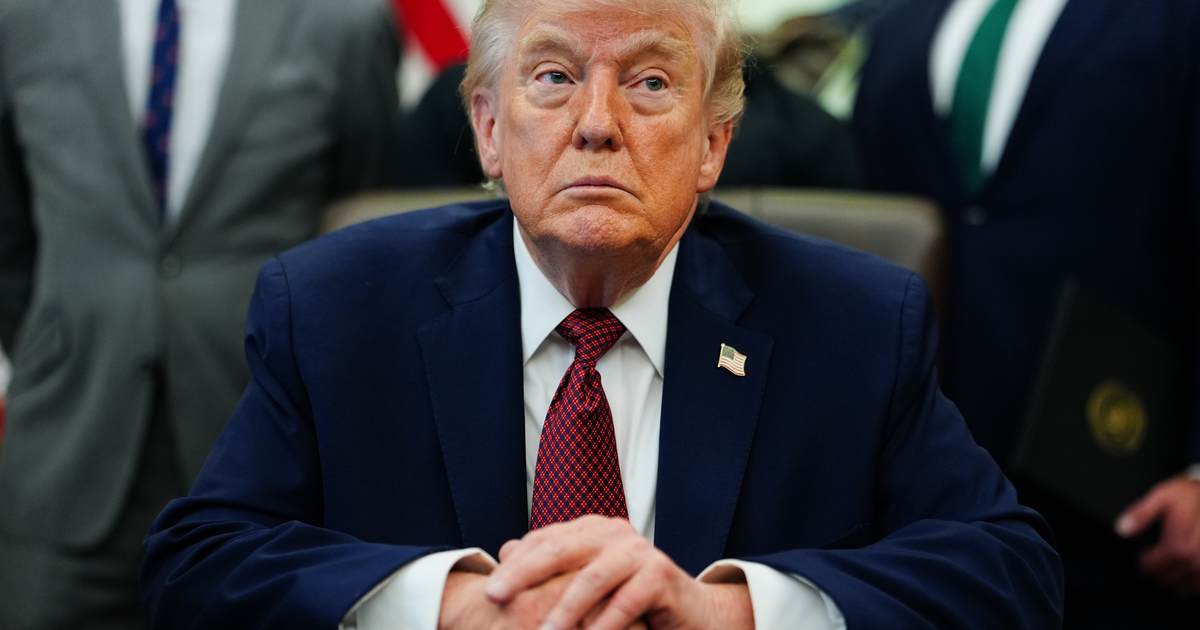
President Trump is pushing the Senate to pass the SAVE Act and to end the filibuster so the measure can clear the 60-vote hurdle and become law.
President Donald Trump has publicly pressed the Senate to move on the SAVE Act, a federal election measure that would require documentary proof of U.S. citizenship when registering to vote. The U.S. House passed the bill in April, but progress in the Senate has stalled, leaving a straightforward reform stuck in procedural limbo. Conservative leaders argue this is about protecting the integrity of federal elections and making sure only eligible citizens cast ballots.
The SAVE Act would change the voter registration process by asking for documentary proof of citizenship before someone registers for federal elections, rather than relying solely on self-attestation. Proponents say this is common-sense verification to prevent mistakes and fraud that erode public confidence. Opponents in the Senate have stalled the bill, and that gridlock has sharpened calls from Republicans who want action now.
Trump took to social media on Saturday to urge senators to act, and the push landed where the votes are needed most: in the upper chamber. The debate quickly exposed divisions inside the Republican conference, with several GOP senators voting against the legislation. That dissent from within the party has given Democrats more leverage to keep the status quo.
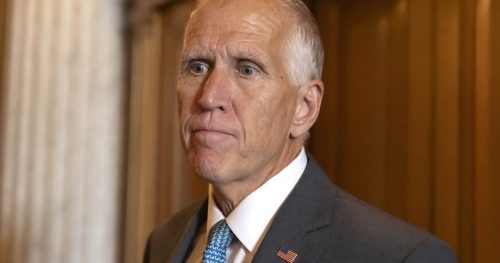
A number of Republican senators opposed the bill, including Sens. Lisa Murkowski (R-AK), Mitch McConnell (R-KY), Susan Collins (R-ME) and Thom Tillis (R-NC). Those votes matter because the Senate requires 60 votes to overcome a filibuster on most legislation, and procedural hurdles are the real barrier here. Republicans hold 53 seats in the Senate, so even unanimous GOP support would still leave the bill short without additional help.
— Rapid Response 47 (@RapidResponse47) April 25, 2026
That math is why Trump and other conservatives have started talking openly about ending or reforming the filibuster to pass election integrity measures. They argue the filibuster is being used to block basic transparency that voters expect, and that the Senate should not be a place where a minority can indefinitely block reforms. Critics say eliminating the filibuster would upend Senate traditions, but supporters counter that tradition cannot stand in the way of securing fair elections.
Supporters of the SAVE Act say the proposal imposes a simple, verifiable standard: documentary proof of citizenship at registration for federal contests. They emphasize the bill does not strip anyone of voting rights, but it does close gaps that could allow ineligible registrations to slip through. For conservatives frustrated by repeated headlines about irregularities, this is a fix that checks basic eligibility before ballots are cast.
Senators who oppose the bill, including the Republicans named above, claim concerns ranging from administrative burden to state control over elections, and they warn about unintended consequences. But supporters answer that civil and criminal penalties already exist for deliberate fraud, and that proper ID requirements are standard in many aspects of public life. The fight has become a broader argument about who gets to set the rules for federal elections and how seriously lawmakers take voter confidence.
With the House passage behind them and the Senate split, Republicans must decide whether to corral additional votes or to press harder for procedural changes that would allow the SAVE Act to pass. The political and legislative choices ahead will shape not only this bill but the larger question of how Congress handles election policy going forward.
Editor’s Note: Republicans are fighting for election integrity by requiring proper identification to vote.