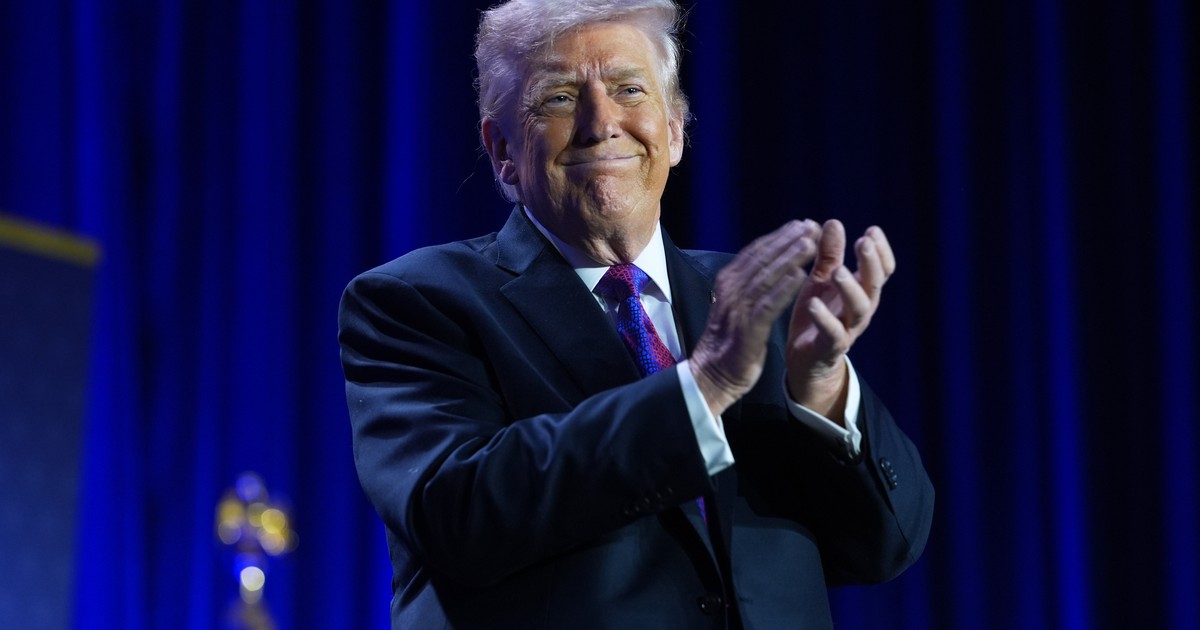
President Trump will attend Supreme Court oral arguments over his executive order targeting birthright citizenship, a move that promises a historic clash between the White House and the judiciary and has already provoked fierce outrage from the left.
President Trump is set to sit in the Supreme Court chamber for oral arguments challenging the legality of his executive order aimed at ending automatic birthright citizenship. This is unprecedented in modern times and deliberately confrontational, putting the question of citizenship and executive power front and center. The decision signals that the administration will press every institutional lever to change immigration policy.
Expect the media to treat this like a constitutional apocalypse; their reaction has already been loud and angry. Conservatives see a president using his office to force a national debate that Congress has failed to have, while the left frames the attendance as an assault on norms. Either way, the spectacle will draw attention to the underlying legal and political issues rather than letting them fade into bureaucracy.
If President Trump attends the Supreme Court's oral arguments tomorrow on his birthright citizenship executive order like he says he will, he would be the first sitting president on record to do so. Presidents have avoided attendance in part to honor the separation of powers.
— Kathryn Watson (@kathrynw5) March 31, 2026
If the court upholds the order, and if Congress ever codifies something similar, the implications for immigration law would be massive. Many on the right argue this would be the single most consequential development on immigration in over a century. That’s not just political rhetoric — changing the practical rule on who gets automatic citizenship rewrites longstanding legal and social practice.
Trump’s relationship with the high court has not been smooth, especially after they pushed back on parts of his economic agenda. He’s been at odds with the Supreme Court ever since they struck down his tariff agenda, and he’s made clear he won’t accept passive judicial obstruction. This appearance is part legal strategy and part political theater: the administration wants to own the issue heading into future fights.
The broader battle is about power — who decides major policy when Congress stalls and lower courts block executive action. Conservatives see unelected judges stepping into policymaking and stopping reforms voters want, while opponents say the courts must check executive overreach. Both sides are gearing up for a high-stakes legal fight that will reverberate through elections and the next presidential term.
Editor’s Note: Unelected federal judges are hijacking President Trump’s agenda and insulting the will of the people. This case puts that critique to the test in the most visible courtroom in the country, and it will force judges to explain how much power they think they have to overrule elected officials.
The left’s fury is predictable: when a popular president challenges a long-standing interpretation of the 14th Amendment, the progressive coalition treats it as a line in the sand. But conservatives argue the conversation is overdue, and that voters deserve clarity on who benefits from federal protections and how immigration policy should be set. That political pressure will now be funneled into legal briefs, oral argument, and ultimately, whatever ruling the justices hand down.
Whatever the outcome, the week’s events will redraw public focus on citizenship, borders, and the balance between branches of government. The White House is betting that a bold, public legal fight will rally supporters and frame the debate on conservative terms. Expect the court’s decision — and the reaction to it — to be a headline story for months, shaping policy discussions and campaigns alike.