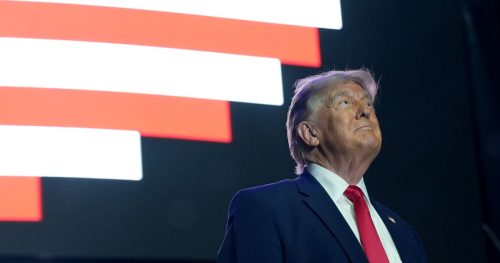
President Trump has given Cuba a strict timeline, warning the regime that continued shortages and sanctions will stay in place unless political prisoners are freed and basic rights are restored.
President Donald Trump laid down a hard ultimatum for the Cuban government: two weeks to make meaningful changes or face continued fallout from U.S. pressure. The administration says the goal is clear and non-negotiable—free political prisoners, end political repression, and move toward genuine elections. This is a direct, high-stakes test of whether the Castro-era leadership will answer to international pressure or double down on repression.
Washington has tightened a blockade that has stopped shipments of oil and other critical supplies from reaching the island, and the White House has slapped tariffs on countries that keep selling fuel to the regime. The policy is meant to squeeze the ruling circle and signal that business as usual won’t continue while liberties are denied to ordinary Cubans. Republican leaders argue this kind of pressure is the most honest leverage available to force change in Havana.
Cuban authorities say they have been forced to ration fuel and take emergency measures to protect essential services like agriculture, schools, and hospitals, Reuters reported. Rationing is already hitting families and farmers who depend on steady fuel flows to get food and medicine where it’s needed most. The shortages are a direct consequence of sanctions and the wider global refusal to enable the regime’s survival at the expense of its people.
CUBA COLLAPSING: The Cuban Communist Regime just started releasing prisoners HOURS after their amnesty announcement…completely folding under President Trump’s brutal pressure campaign and oil blockade.
Obama kissed their asses for years and got ZERO. pic.twitter.com/5ojSWbnh0n
— Liz Churchill (@liz_churchill10) April 4, 2026
In March, Cuba announced it would free 51 prisoners as a goodwill gesture tied to talks with the Vatican, with officials saying the move was related to their relationship with the Holy See. The gesture was limited, and critics noted it did not include many prominent dissidents or the most visible critics of the government. Still, Havana presented it as part of a diplomatic channel that has produced small, incremental releases in the past.
Cuba’s government said Thursday night that it would release 51 people from the island’s prisons in an unexpected move.
The Ministry of Foreign Affairs said the release in the upcoming days stems from a spirit of goodwill and close relations with the Vatican.
The government did not identify who it would release, except to say that “all have served a significant part of their sentence and have maintained good conduct in prison.”
The announcement was made just hours Cuban President Miguel Díaz-Canel is scheduled to speak early Friday in another rare meeting with the press “to address national and international issues.”
The government said it has granted pardons to 9,905 inmates since 2010. It added that in the past three years, another 10,000 people sentenced to imprisonment were released.
In January 2025, Cuba released prominent dissident José Daniel Ferrer as part of a government decision to gradually free more than 500 prisoners following talks with the Vatican.
Human rights groups quickly pointed out that the recent releases did not address the systemwide crackdown on dissent, noting more than 700 political prisoners remain behind bars, according to Human Rights Watch. Those groups say piecemeal gestures cannot paper over the routine use of arrests, intimidation, and arbitrary sentences. From their perspective, the regime still relies on fear and punishment to silence opposition and prevent free expression.
History shows Cuba’s security apparatus has long targeted critics with arbitrary detention and harassment, and that pattern remains intact despite isolated releases. Activists and families of the jailed keep pushing for broader amnesties and real judicial reforms, not just cosmetic moves. The argument from Washington’s side is that sustained pressure forces the government to make choices it would otherwise avoid.
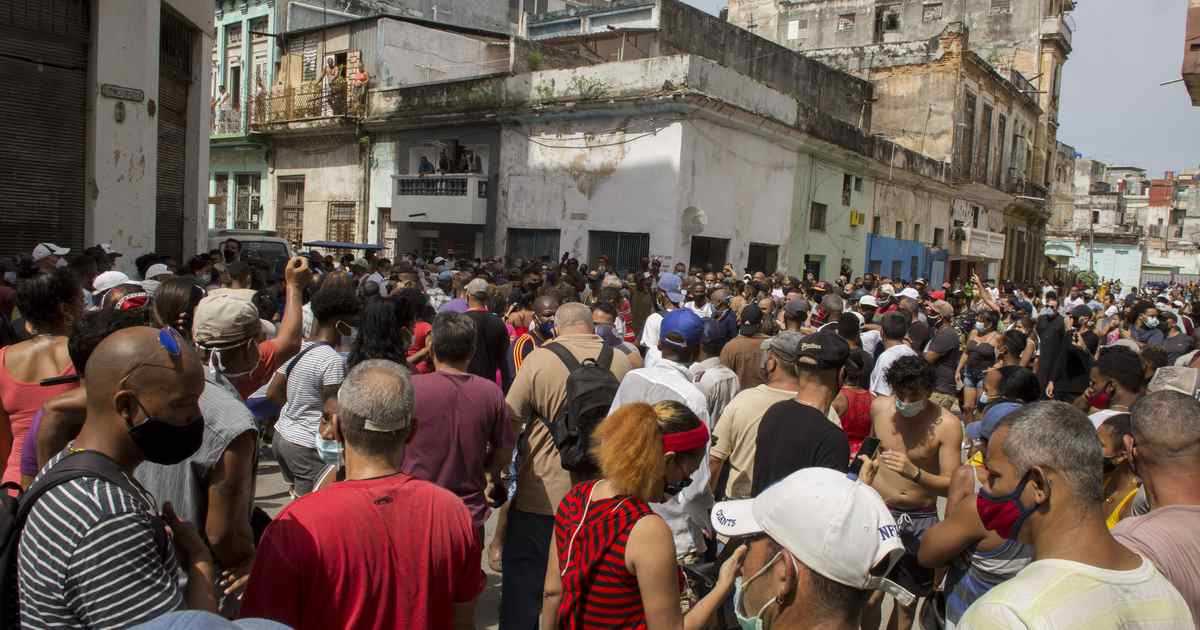
The economic squeeze has hit roughly nine million people through fuel shortages that sap electricity, block transportation, and complicate food and medical distribution. The national power grid has collapsed several times, plunging communities into blackouts and creating cascading crises for hospitals and supply chains. For many ordinary Cubans, the day-to-day burden has become unbearable, and blame lands both on the regime’s mismanagement and on the international flanks that enable it.
Trump’s approach is unapologetic: apply economic cost, expose repression, and back the Cuban people’s demand for freedom rather than appease autocrats. Supporters insist that softer tactics failed for decades, and that only real consequences will force a ruling elite to change behavior. Opponents warn of humanitarian fallout, but the administration argues targeted pressure with clear objectives is the right balance.
Whether Havana will respond to the two-week timeline with meaningful reforms or with token concessions remains the key question. If the regime refuses to free significant numbers of political prisoners or to permit genuine civic space, expect the U.S. to keep the squeeze on and widen penalties where possible. The next fortnight will tell whether pressure yields progress or simply deepens a humanitarian and political standoff on the island.