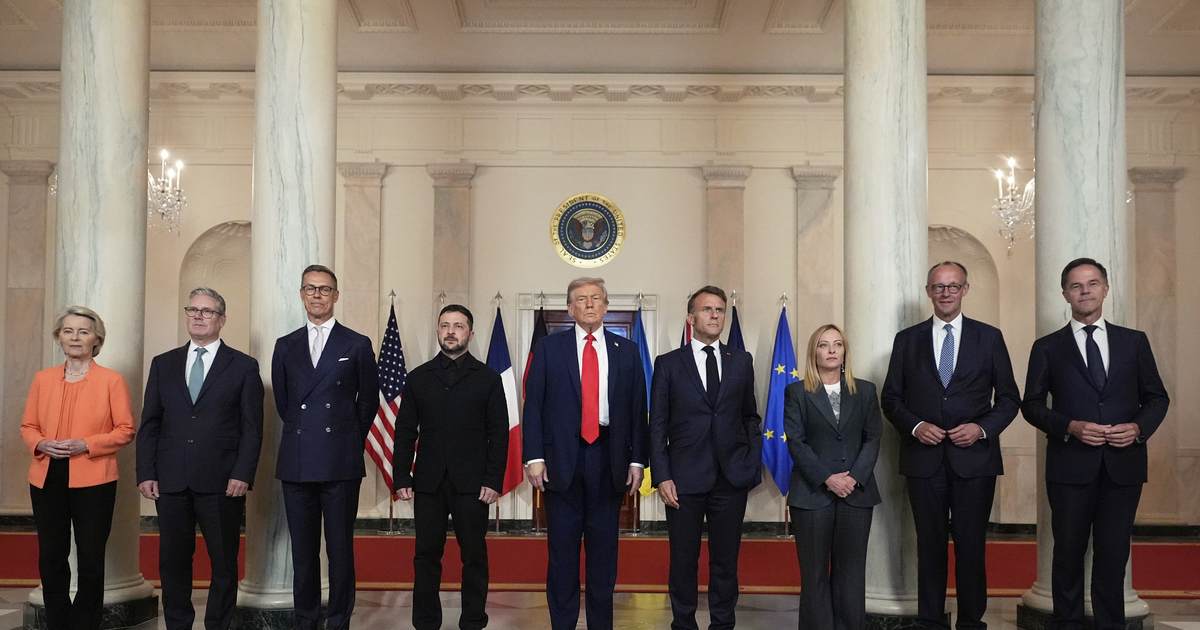
President Trump is weighing a pullback of U.S. troops in Germany amid rising friction with European partners over Iran and NATO coordination, a move that underscores growing impatience in Washington with allies who have chosen diplomacy over decisive action.
Late Wednesday, the White House announced it is reviewing a possible reduction of American forces stationed in Germany, a development tied to tensions after comments by Germany’s leader about U.S. handling of Iran. The discussion comes as allies pursue their own paths on security matters, leaving the administration to rethink basing and burden sharing across the continent. That rethink is political and strategic, not solely logistical, and it signals a tougher posture on alliances that aren’t pulling their weight.
“The United States is studying and reviewing the possible reduction of Troops in Germany, with a determination to be made over the next short period of time,” the president wrote on Truth Social. The statement was short and blunt, and it reflected a pattern: when partners publicly question U.S. tactics or judgment, the administration answers with concrete leverage. For many Republicans, using leverage to protect American interests and troops is long overdue.
The US is being “humiliated” by Iranian leaders as President Trump struggles to negotiate an end to the war, German Chancellor Friedrich Merz said Monday (translation via AP) https://t.co/x4hz7GQJ56 pic.twitter.com/cDr1bQ3Ec9
— Bloomberg (@business) April 27, 2026
Just hours later, the president slammed the German chancellor, pointing to a list of his domestic political failures. “The Chancellor of Germany should spend more time on ending the war with Russia/Ukraine (Where he has been totally ineffective!), and fixing his broken Country, especially Immigration and Energy, and less time on interfering with those that are getting rid of the Iran Nuclear threat, thereby making the World, including Germany, a safer place!” The message doubled as a rebuke and a reminder that domestic weakness abroad has consequences.
This exchange did not happen in a vacuum. Washington is frustrated that many NATO partners opted for negotiations with Tehran or for cautious, defensive plans rather than joining U.S.-led pressure to dismantle Iran’s ability to threaten the region. That hesitation matters when hard choices are required to protect shipping lanes, deter malign actors, and deny rogue regimes the tools to sponsor terrorism. Republicans argue the patience of partners has real costs for American security.
Diplomacy has its role, but the current mix of European caution and talk of defensive-only measures risks leaving the U.S. with the sole operational burden. Some allies have floated a limited mission to safeguard navigation in the Strait of Hormuz, but only after America takes the lead against Iran. The conditional approach frustrates U.S. planners who want coordinated action now, not contingent plans for later.
The president has discussed these matters with international leaders, including a conversation with Mark Rutte, who said he understands the president’s concerns. Those talks reveal a gap: allies may express sympathy, yet still prefer policies that minimize confrontation with Tehran. For Republicans, understanding is not enough; commitment and capability are what count when American lives and global trade are at stake.
Threats to energy supplies are another flashpoint. Europe’s reliance on outside energy sources gives hostile regimes leverage, and some partners appear willing to accept that risk rather than press harder to neutralize the source of the threat. From a conservative standpoint, that amounts to strategic complacency, and it undermines collective defense if nations will not make the hard choices early.
Considering troop reductions in Germany is therefore both a bargaining chip and a reality check. It forces a conversation about where U.S. forces are most effective and which alliances genuinely share the fight. The move would send a clear message: security guarantees require reciprocity, and American presence is not a blank check for indecision.
There are risks in any redeployment—the United States must preserve deterrence and rapid response—but keeping troops in place while partners underperform also carries costs. Republicans favor leveraging military posture to compel allies to step up, protect common interests, and face down regimes like Iran that threaten stability and Western access to vital sea lanes.
Editor’s Note: Thanks to President Trump and his administration’s bold leadership, we are respected on the world stage, and our enemies are being put on notice.