A UnitedHealthcare social media manager posted celebratory comments about a failed attempt on President Trump and was subsequently let go.
The social media manager for UnitedHealthcare posted on TikTok expressing relief that an attempt on President Trump’s life had apparently failed, prompting immediate backlash. Her remarks were widely condemned for making light of political violence, and the company moved quickly to address the situation. This story touches on corporate responsibility, online conduct, and the consequences of public commentary by employees of major firms.
The TikTok clip captured a tone many found shocking. In the video she said, “I know we’re cooked as a country when my first reaction to hearing the news about Trump’s [hand gesture] attempt was it was probably fake. Like, immediately I was like, oh, that wasn’t real,” she said. “Probably fake and the second was, awww they missed?”
Social media manager for @UHC is sad that the shooter missed
Any comment @UHC? pic.twitter.com/qGG4iOoD72
— Libs of TikTok (@libsoftiktok) April 28, 2026
She continued in the clip, adopting a sarcastic tone that inflamed critics: “So happy they missed,” she continued, sarcastically. “Yeah, that’s sad. That’s when you know we’re cooked.” Those lines spread fast across platforms, drawing attention from conservatives and moderates alike who expect corporate neutrality on matters of violence.
That reaction mattered because this is not an abstract issue for UnitedHealthcare. The company suffered a recent and tragic loss when UHC CEO Brian Thompson was killed in an act of political violence not too terribly long ago. For many, that context made the social media post feel especially callous and tone-deaf, increasing pressure on the firm to respond.
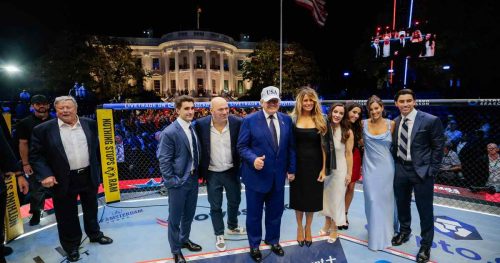
UnitedHealthcare released a statement condemning the comments and announcing the employee’s departure. “Violence is never acceptable and any comments that suggest otherwise are in no way consistent with our mission and values. The person who made comments online about Saturday night’s incident at a Washington event where President Trump and many other political leaders were gathered is no longer employed by the company,” the post read. The firm framed the move as necessary to align behavior with corporate values and public expectations.
From a Republican point of view, the episode highlights a few clear points: private citizens and corporate employees must be accountable for celebrating violence, companies can’t tolerate online conduct that undermines public safety, and cultural double standards about political violence damage trust. Conservatives see the firing as appropriate and overdue in a climate where certain voices have too often escaped consequences for extreme remarks.
This incident also raises questions about social media culture and how quickly opinions become public crises. Employees who represent large organizations need to recognize that a casual, offhand video can become a national story. Companies must balance free expression and reputational risk; when speech condones violence, action is typically expected.
The fallout underlines the speed at which reputations are judged today. A single clip, posted in minutes, can trigger corporate statements, internal investigations, and job losses within hours or days. That reality forces both workers and employers to set clearer standards about public conduct and offline responsibilities tied to online behavior.
There are broader political stakes too. In high-profile cases tied to political figures, reactions quickly become politicized and used to score points. For Republicans, the moment reinforces the need to call out any praise of violence regardless of the speaker’s political leanings while demanding consistency in how companies enforce rules across the board.
At the same time, the episode serves as a warning to employees across industries: social media is public, permanent, and unforgiving. Companies will likely continue to monitor employee behavior more closely and update their policies to reflect the real risk that one careless post can create a major operational headache.
Expect more debate about corporate responsibility, free speech, and how to navigate political tensions in the workplace. For now, this situation stands as a clear example of how quickly online words lead to offline consequences, especially when they touch on violence against political leaders.
Editor’s Note: The 2026 Midterms will determine the fate of President Trump’s America First agenda. Republicans must maintain control of both chambers of Congress.