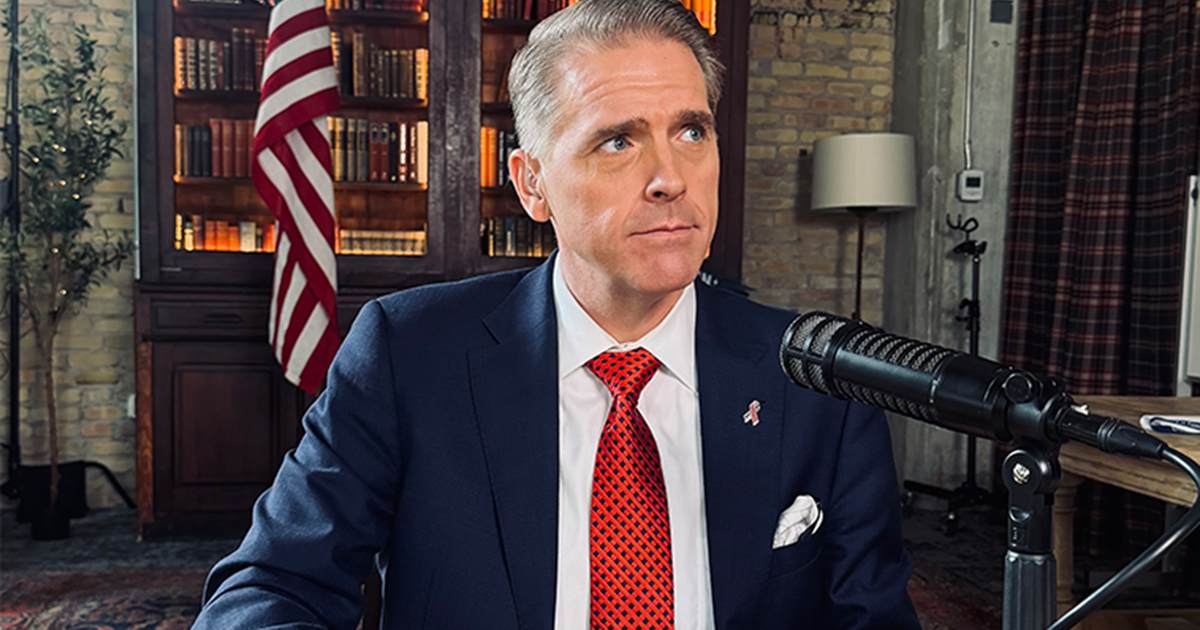
Scott Jennings, a CNN contributor and Salem Radio host, is pushing back after progressive activists and certain former journalists called for his removal from the network, arguing those calls are driven by political dislike rather than legitimate concerns.
Scott Jennings has built a reputation as a blunt, effective conservative voice on networks that trend left, and he keeps showing up to challenge liberal talking points on air. That visibility makes him a target, and recent efforts to get him fired have come from people he’s sparred with publicly as well as some ex-staffers at the network.
Rumors have circulated about who’s behind the complaints, with accusations and innuendo flying from multiple directions. Jennings has shrugged most of it off, treating the noise as part of the job when you regularly take on the media establishment. From a Republican perspective, these maneuvers feel like a coordinated attempt to chill dissident conservative voices inside mainstream outlets.
On the shows where he appears, Jennings focuses on breaking down liberal narratives into clear, repeatable talking points for conservative audiences. He also uses his Salem Radio platform to press those messages further, giving listeners consistent framing to counter the media’s angles. That combination of presence on both cable and radio makes him influential and, to the Left, inconvenient.
BOOM: @ScottJenningsKY takes down Keith Olbermann and Jim Acosta for demanding CNN fire him…
"It's not the first time…Keith Olbermann said I should be murdered…Now he only says I should be fired!"
"With Jim…He sounds like a bitter person…They don't think any… pic.twitter.com/p4d4LUVSeh
— Townhall.com (@townhallcom) May 4, 2026
His critics often lean on recycled allegations and selective sourcing, the kind of inside-baseball gripes that thrive in newsroom rumor mills. Some of the loudest calls for his firing come from people he criticized directly on the air, which undercuts the idea that this is an impartial purge. When disagreements turn into organized campaigns to remove a commentator, it erodes any claim to fair play from the accusers.
Jennings has been described by supporters as a steady hand who refuses to bend to partisan pressure, and by opponents as a provocateur who rattles the newsroom. Both labels tell you the same basic story: he pushes conservative positions at scale and the outcome irritates those who run with the opposite tribe. That dynamic makes media circles unusually sensitive to influential outsiders.
There’s a practical lesson in this drama: networks that host outspoken conservative guests have to balance viewer expectations, internal politics, and the pressure campaigns that spring up around contentious voices. When a contributor becomes polarizing, the safe route for executives is to distance themselves. The risk there is rewarding the tactic of public shaming as an effective tool to silence disagreement.
Some veterans of the media world know where that tactic ends. Even the most rabid anti-Trump media executive knows to steer clear of Keith Olbermann and Jim Acosta, both of whom are no longer employed by their networks, with Olbermann having burned every bridge in this industry.
Jennings addressed these circus antics in a recent conversation with Larry O’Connor, and he handled the questions with the same directness listeners expect. He didn’t flinch from calling out what he sees as coordinated attacks, and he pushed back on the idea that his presence on CNN is somehow illegitimate. That tone matters to conservatives who want commentators willing to stand up under pressure.
For Republicans watching this play out, the stakes are broader than one commentator’s future. It’s about whether public pressure, amplified through social media and activist networks, starts setting the terms for who gets to speak on mainstream platforms. If cancel campaigns work, networks have an incentive to avoid controversial but necessary voices that challenge the prevailing newsroom orthodoxy.
Critics will say networks must act on credible accusations, and that standard should be non-negotiable. But when the response is triggered more by political annoyance than by concrete wrongdoing, it creates a dangerous precedent. Conservatives see that precedent as a soft way to enforce ideological conformity inside institutions meant to host debate.
Jennings’s defenders point to his track record for clear, consistent messaging and his willingness to take punches on live TV. That resilience, combined with his radio presence, gives him a base that notices when he’s attacked. Those supporters argue the proper remedy for disagreements is more speech, not fewer platforms for contrarian voices.
In the end, the noise around Scott Jennings is a reminder that media fights now extend far beyond editorial decisions into activist pressure campaigns. Whether networks respond by protecting debate or by bowing to coordinated outrage will shape the landscape for conservative contributors moving forward. Yeah, keep doing your thing, Mr. Jennings. If the Left didn’t hate you, that would be a problem. You’re doing something right. Keep it up, sir.