The Treasury moved against ten individuals and firms across the Middle East, Asia, and Eastern Europe tied to Iran’s efforts to acquire weapons and critical materials, while the State Department added related conventional arms designations. These steps are part of a wider campaign to choke off Iran’s procurement chains for Shahed unmanned aerial vehicles and ballistic missile programs.
The U.S. Department of the Treasury’s Office of Foreign Assets Control announced designations targeting entities that supply weapons, components, and raw materials used by Iran’s military programs. The moves focus on networks that enable procurement, conceal end‑users, and move funds through commercial and financial channels to keep Tehran’s arsenals supplied.
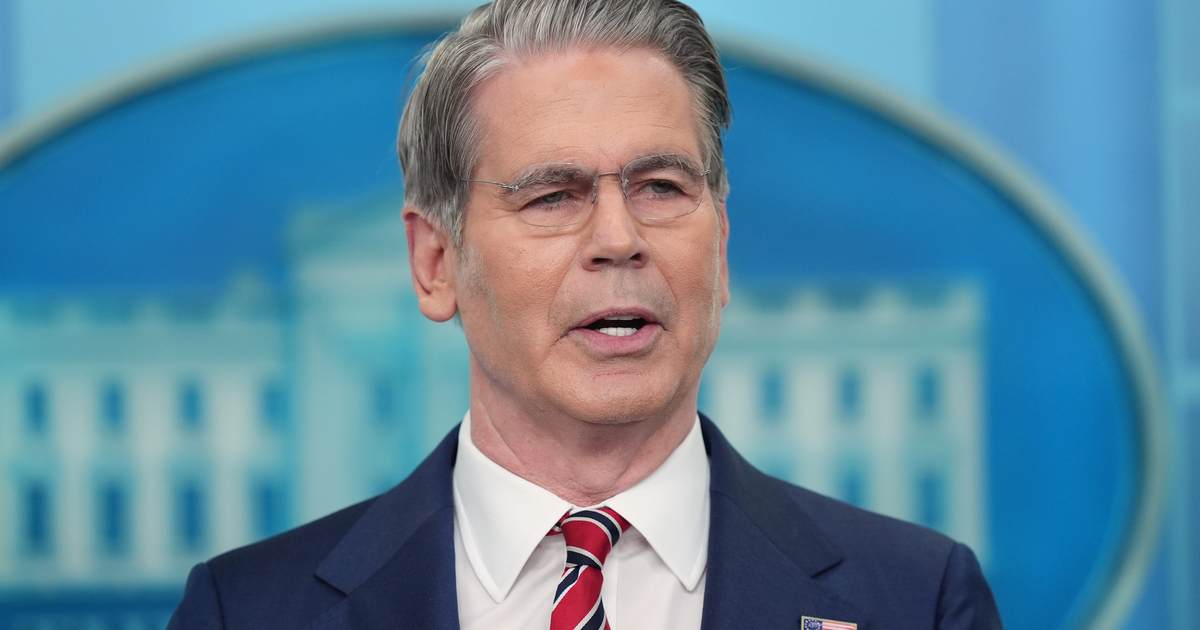
OFAC says it is proactively disrupting networks that support Iran’s acquisition of weapons and materiel, and the State Department is taking parallel actions on related conventional arms activity. “While the surviving IRGC leaders are trapped like rats in a sinking ship, the Treasury Department is unrelenting in our Economic Fury campaign,” said Secretary of the Treasury Scott Bessent. “Under President Trump’s decisive leadership, we will continue to act to Keep America Safe and target foreign individuals and companies providing Iran’s military with weapons for use against U.S. forces.”
The Treasury is pressing Iran by targeting its ability to generate, move, and repatriate funds, and officials note tangible results from those efforts. The department says it has disrupted billions in projected oil revenue, frozen nearly half a billion dollars in regime‑linked cryptocurrency, and taken actions to shut down shadow banking networks used by Tehran.
Treasury also warned that it is prepared to take action against any foreign company supporting illicit Iranian commerce, , and may impose secondary sanctions on foreign financial institutions that facilitate Iran’s activities. The statement singles out connections to independent oil refineries and other channels that have been used to mask shipments and payments tied to the regime.
Officials emphasize that any person or vessel that facilitates covert trade in oil or other commodities risks exposure to U.S. sanctions. The department continues to pursue both traditional sanctions evasion schemes and the exploitation of digital assets while freezing funds taken from the Iranian people.
China‑based Yushita Shanghai International Trade Co Ltd is identified as a facilitator for the Center for Progress and Development of Iran, which is the latest name for Iran’s previously designated Center for Innovation and Technology Cooperation. That center has been linked to attempts to acquire weapons and related technology, including man‑portable air‑defensive systems from China, according to the designations.
https://x.com/SecScottBessent/status/2048859291797336363?s=20
The announcement details how Dubai‑based Elite Energy FZCO transferred millions of dollars to Hong Kong‑based AE International Trade Co Limited to further procurement efforts for the Iranian entity. Hong Kong‑based HK Hesin Industry Co., Ltd. and Belarus‑based Armory Alliance LLC served as intermediaries to conceal Iranian end users, and individuals tied to those firms are named for their roles.
Yushita, AE International, HK Hesin, Armory Alliance, and Mohammadmahdi Maleki are being designated under Executive Order 13382 for providing or attempting to provide material, technological, or financial support to the procurement network. Elite Energy is designated for supporting AE International, and Mohammed Ali Tolibov is designated for acting on behalf of Armory Alliance.
Hong Kong‑based Mustad Limited is singled out for facilitating financial transactions that supported the Islamic Revolutionary Guard Corps’ procurement of weapons, and the IRGC itself was designated under E.O. 13382 in connection with Iran’s ballistic missile efforts. Mustad is designated for providing financial or other support in furtherance of those programs.
OFAC is also taking further action against Iran‑based Pishgam Electronic Safeh Company after prior measures earlier this year, noting that the company procured thousands of servomotors with applications in one‑way attack UAVs. Those servomotors have been recovered in downed Shahed‑136 UAVs and traced to the IRGC Aerospace Force Self Sufficiency Jihad Organization.
China‑based Hitex Insulation Ningbo Company Limited is accused of supplying millions of dollars’ worth of carbon fiber, honeycomb fabric, and other aerospace‑grade materials ultimately bound for Pishgam and the IRGC program. Chinese national Li Genping is identified as Hitex’s legal representative and the official responsible for the company’s sales, purchasing, and financial operations, and both Hitex and Li are designated.
The action builds on a National Security Presidential Memorandum that directs maximum pressure on Tehran, aiming to curtail ballistic missile work, counter asymmetric weapons development, and cut off assets that enable destabilizing activity. Treasury officials say this move is the sixth round of nonproliferation designations tied to the September 27, 2025 reimposition of United Nations restrictions after Iran’s significant non‑performance.
OFAC is acting under E.O. 13382, which targets weapons of mass destruction proliferators and their supporters, and the announcement explains the practical legal effects of designation. All property and interests in property of the blocked persons that are in U.S. jurisdiction or controlled by U.S. persons are blocked and must be reported, and entities 50 percent or more owned by blocked persons are also treated as blocked.
Sanctions violations can trigger civil or criminal penalties for U.S. and foreign persons, and OFAC notes it can impose civil penalties on a strict liability basis. Financial institutions and other actors face exposure if they engage in transactions with designated or blocked persons, and participating foreign institutions may risk secondary sanctions for significant facilitation.
Officials underline that sanction policy includes both designation and lawful delisting where appropriate, stressing that the principal aim is to drive behavior change by making illicit procurement and financing costly and risky. The Treasury frames these steps as ongoing pressure to disrupt Iran’s procurement networks and to limit the regime’s ability to arm itself.