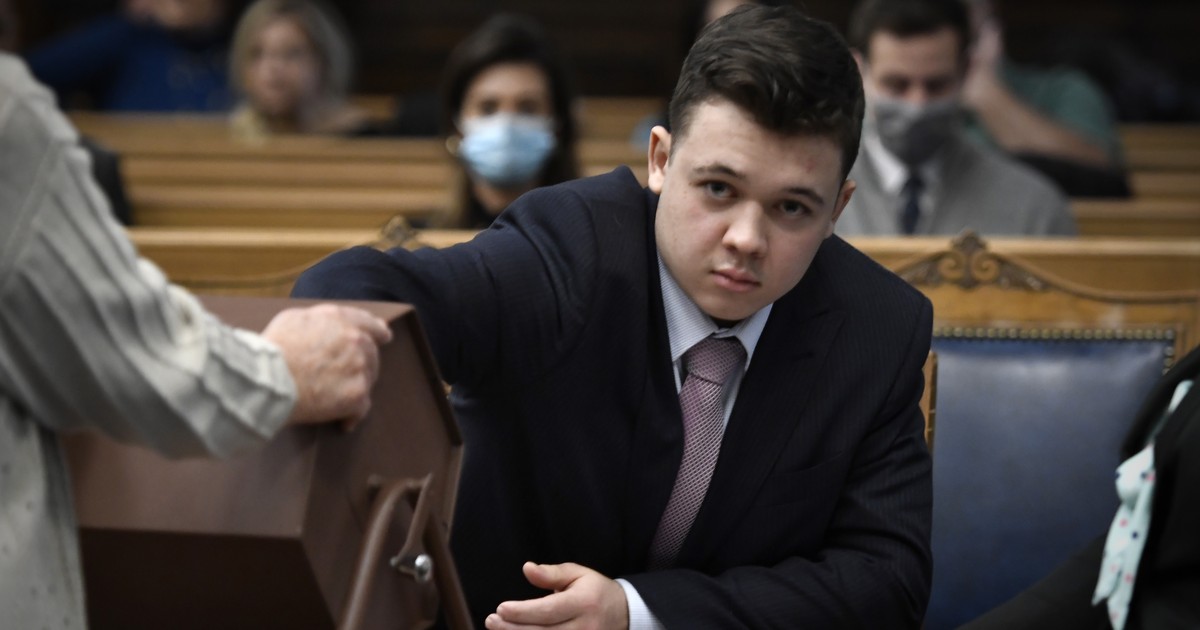
Kyle Rittenhouse was reportedly bitten by a brown recluse and hospitalized, and NBC’s social post referred to the 2020 Kenosha events as a “civil rights rally,” a choice that’s drawn sharp criticism and fresh debate about media framing.
Kyle Rittenhouse’s spider bite is the literal starting point: brown recluse venom can cause severe necrosis and there’s no antivenom, so the sensible course is careful monitoring and wound care. That medical detail is straightforward, but the coverage of the incident has steered attention back to how mainstream outlets describe his role in 2020. For many conservatives, the spider story is a small, bizarre news note that’s being used as an excuse to rewrite what happened in Kenosha.
Kyle Rittenhouse, who gained fame for opening fire at a 2020 civil rights rally in Wisconsin, was hospitalized after he was bitten by a venomous spider, the noted firearms enthusiast says
“Civil rights rally”? That phrasing is loaded and, to Republican readers, plainly wrong. The events in Kenosha involved violent unrest and confrontations, not a straightforward rights march, and calling it a rally sanitizes the chaos that unfolded. Language matters because it shapes how viewers remember the facts.
It’s no small thing when a major network’s social copy flattens the context around a highly charged moment that made a private citizen a national figure. Rittenhouse’s name became known after he said he acted in self-defense during the 2020 Kenosha riots, and many conservatives see NBC’s choice of words as an attempt to alter public memory. This isn’t neutral reporting; it’s framing that benefits a narrative sympathetic to the rioters and hostile to those who defended themselves.
Everything about this "news" report is vile and meant to divide our nation. @comcast / @UniversalPics, you have a problem! https://t.co/Vynnj7le12
— L A R R Y (@LarryOConnor) May 7, 2026
Rittenhouse appeared to be in good spirits, joking that his only disappointment was that “I’m not Spider-Man now.”
He did not say exactly when or where the spider attack happened.
Rittenhouse’s post, predictably, drew thousands of responses — a mix of support and mockery.
Sen. Rand Paul, R-Ky., was among the first and highest-profile well-wishers, telling Rittenhouse “you got this.”
“Thank you, Senator,” Rittenhouse responded Thursday.
That quoted material shows the usual online churn: jokes, support, mockery and a few well-known conservative voices stepping in. The social reaction is predictable because Rittenhouse’s case has become a cultural flashpoint, emblematic of broader arguments about law, order and media bias. Conservatives read that NBC line and see not an honest description but an attempt to recast a violent scene as something noble-sounding.
Media outlets routinely pick their words, and this instance is a textbook example of how subtle word choices can tilt a story. Calling violent unrest a civil rights rally isn’t just sloppy; it’s a deliberate tone that rewrites the record for many readers who don’t recall the specifics. That tilt fuels distrust and confirms a pattern many viewers already suspect about legacy outlets.
There’s also a performative element to this coverage: the spider bite is a quirky human-interest note, and it should be handled as such. Instead, some networks seize that moment to reframe past events in ways that line up with progressive talking points. For conservatives, that feels less like journalism and more like active spin.
The bottom line for readers who track media fairness is simple: watch the wording. A few choice words can erase context and reshape public memory. NBC’s description of Kenosha as a “civil rights rally” does that in one short sentence, and that matters to anyone who cares about how truth fights for space in today’s headlines.