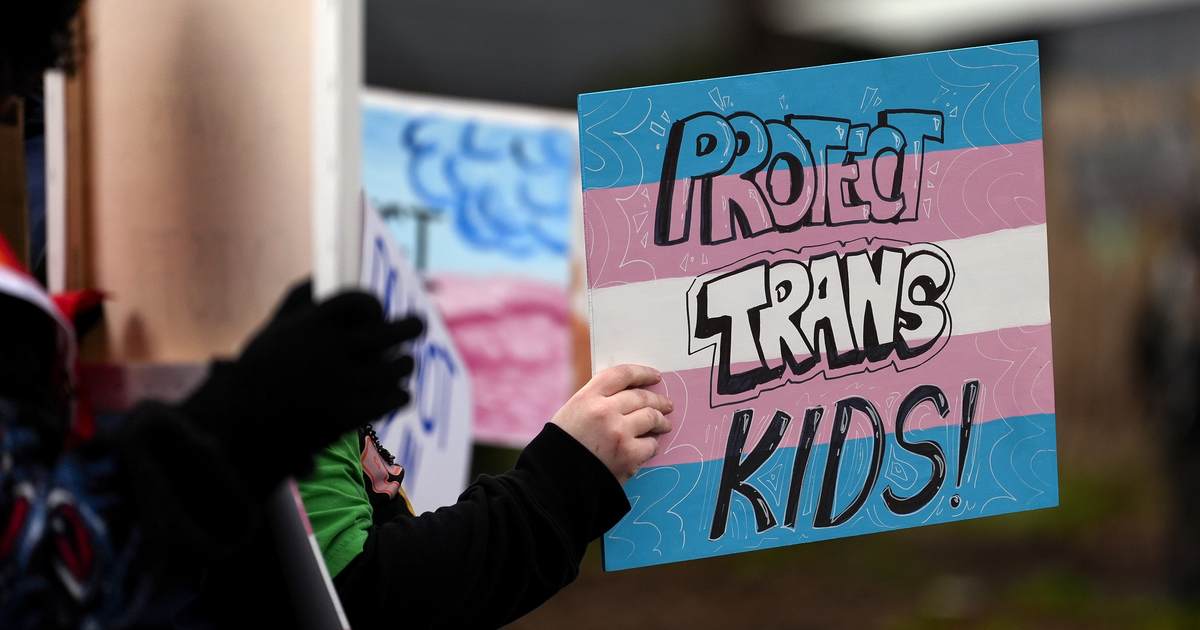
This piece argues that parents should protect children from irreversible medical choices, weigh the limits of adolescent judgment, and question political pressure that normalizes youth transitions.
Most parents want their children to have a better life than they did, and that simple drive shapes how we raise kids. I know I do, and wanting better doesn’t mean my childhood was bad — it means I tried to spare my children struggles I remember all too well. Those choices show up in small sacrifices and in the harder calls we make as parents.
I grew up getting up before dawn to deliver newspapers because my family needed the money, no matter the weather or the calendar. My eldest has been working for two years now, and while nothing was perfect, I did spare him those morning routes. Being a parent sometimes means saying no even when a child pushes back, because their brain won’t fully mature until their early 20s.
Kids test boundaries and identities, and parents should steer those moments, not fuel them into irreversible decisions. When my eldest was little he would wonder out loud if he was a boy or a girl. My answer to him was simple: “You’re a boy, and I love you just as you are.” He outgrew that phase, and that’s an important pattern to notice.
For many on the Left, having a “trans” kid has become a fashionable badge of progressive parenting, and too many of those parents are eager to embrace medical fixes without considering long-term harm. That includes Maryland Governor Wes Moore.
Moore framed his response with family-first language. “First … it’s my son, so I love him regardless,” said Moore, “and he’s always going to have my undying love.” He says the right words about love, but affection alone doesn’t replace the need for sober judgment when it comes to medical interventions for minors.
He kept stressing partnership in the process. “If this is a journey that he wants to go down, I want him to always be comfortable in his own skin, and I want him to always know he has a partner in me to help him along that journey,” Moore continued. Parents should be partners, yes, but not co-pilots on paths that can cause permanent damage.
Moore also emphasized involvement while promising not to punish. “If this is how he is feeling and I feel like I’m closely tied to him, I’m not going to advise him on something that he feels is right … the most important thing for me is I want him to feel safe in his own skin, safe in his own decision making, but also know that at 14-years-old I want to be involved inside of that process as well. I’m not going to condemn him, or castigate him. I’m not going to kick him out of the house. I’m not going to do anything to hurt him.” Those are compassionate instincts, but compassion should include protecting a child from choices they cannot reverse.
Letting a 14-year-old transition is, in many cases, actively harming them. If a son says he thinks he’s a girl, a parent’s first obligation is to secure proper psychiatric and developmental evaluation so he can feel safe and healthy as the boy he biologically is. Because he will always be a boy, and no amount of hormones, surgery, or dressing like a girl changes that fundamental truth.
Maryland Governor Wes Moore says he would let his son go through gender mutilation as a minor if he wanted to.
DAVID: “Would you advise him to wait until he’s 18?”
MOORE: “I’m not going to advise him on something that he feels…” pic.twitter.com/t6slNP8XkB— RNC Research (@RNCResearch) May 8, 2026
“Gender-affirming care” doesn’t reduce suicidality, but it does create infertility, sexual dysfunction, and may even exacerbate mental health issues and increase suicidality. There are growing reports of people who regret hormone regimes, puberty blockers, and surgical procedures — interventions that carry lifelong consequences and medical risks that can’t be undone.
Public policy and cultural fashion shouldn’t push parents into treating adolescence as a medical emergency that must be solved with hormones and surgery. Parents are responsible for guiding immature kids through identity questions with therapy, time, and sensible limits — not by normalizing quick medical fixes that can foreclose future options.
Being a parent means making hard calls you don’t want to make and standing between your child and trends that can harm their future. Protecting children sometimes looks like saying no, insisting on pause and evaluation, and refusing to let political correctness dictate medical choices for minors. That responsibility is not cruelty; it’s the duty of guardianship.