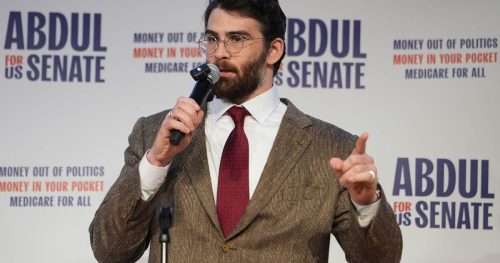
Zohran Mamdani’s claim of erasing a $12 billion New York City budget gap by taxing the rich looks more like political theater than sound finance, and his supporters swallowed it whole.
Mayor Zohran Mamdani publicly touted a balanced budget without cutting services, insisting higher taxes on the wealthy did the job. That message fits a familiar left-wing playbook, selling the idea that raising rates on high earners can magically cover massive shortfalls while preserving every program. On the ground, though, the numbers and maneuvers tell a very different story about how the books were balanced.
The supposed fix relied heavily on delaying mandatory city contributions to pension funds and accepting a large bailout from Albany, not a decisive extraction of wealth from the ultra-rich. Those are timing gambits and external transfers, not sustainable revenue reforms, and they shift risk onto public employees and taxpayers. In short, the glossy claim about taxing the rich masked heavier hits to workers and ordinary New Yorkers.
Supporters celebrated Mamdani like a political miracle worker, even as the fine print told another tale. They cheered a rhetorical win while leaving practical costs—future pension stability, credit implications, and service funding—on the table. The applause ignored who actually ends up footing the bill when accounting moves and bailouts replace real structural fixes.
“Zohran Mamdani eliminated a $12 billion budget by taxing the rich and he did it in five and a half months,” said one man. “Zoran is every single thing Donald Trump thinks that Donald Trump is.” That enthusiasm captures how messaging can outpace evidence, with supporters recasting process as policy triumph.
Leftists actually believe Mamdani erased a $12 billion budget deficit by “taxing the rich.”
That’s the power of communist propaganda pushed by the left-wing media. They’re so brainwashed that any “socialist” politician could sell them the Brooklyn Bridge tomorrow. pic.twitter.com/5JTCoitPID
— I Meme Therefore I Am 🇺🇸 (@ImMeme0) May 14, 2026
“I’m hard on him, because I know he can do it, and socialism is actually the way forward,” said a pink-haired woman. “Did you see my guy done balanced the New York City budget without sacrificing your money.” These sorts of sound bites make a tidy social media moment, but they do not change fiscal mechanics.
“The socialist mayor that a lot of you said was going to bankrupt the city just reduced the New York City budget deficit from $12 billion to zero dollars,” said another man. “Without cutting any city services. This is what they’re afraid of: left-wing politicians actually getting into office, because when they do, they do a better job than status quo liberals or right-wing conservatives. Because those are the people that blow up budgets by giving away billions of dollars to rich people.” That narrative flips responsibility away from complex tradeoffs and onto political opponents.
This is a joke. We all saw how NYC failed to handle the snow this winter, including how several homeless people froze to death. Operational failures like that are concrete, measurable, and costly; they are not solved by campaign slogans about fairness. When service delivery stumbles, voters feel it immediately, regardless of triumphalist headlines about balanced ledgers.
Not one of those people knows this, or cares. That blunt observation speaks to the power of political theater over digging into policy implications. It is easier to celebrate a claim than to demand full transparency on how a budget was truly closed and who will pay later.
Yes. Simple slogans win applause; complex choices do not. Elected officials can paper over problems for a session or two, but recurring shortfalls, underfunded pensions, and deferred obligations will resurface unless addressed head-on. Voters deserve clarity, not bumper-sticker accounting.
Bingo. If kids can’t read or do math, they’ll fall for this. This snarky line points to a deeper issue: when education and civic literacy weaken, politicized claims about budgets gain traction. Responsible governance depends on a public that understands tradeoffs and recognizes when accounting tricks substitute for sound policy.
Bookmark this approach for what usually follows: pressures to raise taxes broadly, cuts disguised as efficiencies, and political fights when pension liabilities come due. If pension contributions were postponed today, future administrations will face the consequences, and retirees may see promised benefits strained. Wealth flight and business relocations are real risks when markets respond to tax headlines rather than underlying fiscal stability.
Plenty of people will insist later that any collapse wasn’t “true socialism,” as if definitions can erase outcomes. That dodge won’t fix broken pension funds or restore suspended services, and it won’t bring back livelihoods harmed by sudden policy shifts. The pattern repeats: rhetoric first, reckoning later, and everyday New Yorkers left sorting the fallout.