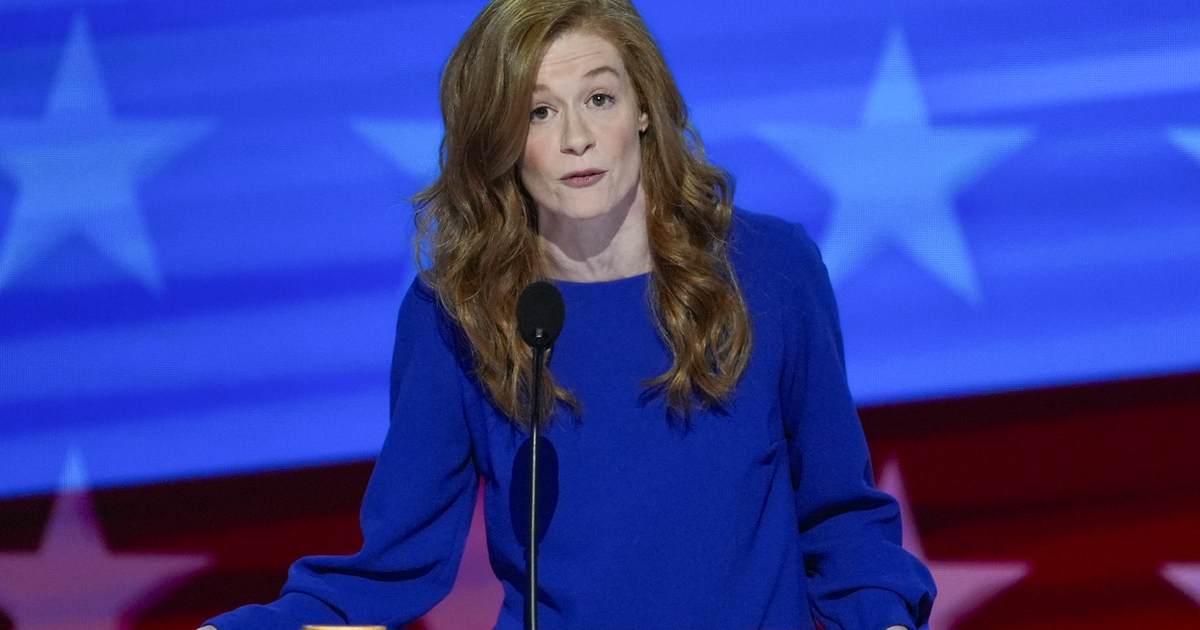
Michigan Senate candidate Mallory McMorrow pushed a water affordability plan while her Royal Oak household racked up more than $3,000 in unpaid water and sewer charges, a development that has sharpened scrutiny of her fiscal credibility and public statements.
A report found McMorrow went nearly a year without paying water or sewer bills at her roughly million-dollar Royal Oak home, only settling matters after being contacted by the press. The unpaid balance swelled with late fees and penalties, and officials calculated the total rose past $3,000 since June 2025. That sequence of events has become a political headache as she campaigns for Michigan’s open U.S. Senate seat.
In 2025 McMorrow sponsored Senate Bill 250 to create a state water affordability program, proposing that eligible households not pay more than three percent of income for water. The plan sought mechanisms to ensure low-income residents would not be overburdened by utility costs, and the bill text included language to “identify alternative funding” for the program. Opponents say that phrasing points directly to new taxes or subsidies to cover the shortfall.
From a conservative perspective, the optics are stark: advocating for expanded benefits while leaving a personal bill unpaid opens the door to accusations of hypocrisy. Critics argue that promoting taxpayer-funded relief and then neglecting one’s own obligations sends the wrong signal to voters who are asked to tighten their budgets. The back-and-forth has hardened the narrative that politicians who favor expanded government help should also show strict financial responsibility at home.
McMorrow has marketed herself around affordability and authenticity, but that message has been undercut by activity on her social media. She “deleted thousands” of tweets, a move that invited questions about transparency and past positions. Opponents have dug into those removals to highlight inconsistencies between earlier posts and her current campaign pitch.
Some of the deleted posts were pointed: they included jabs at Michigan and the Midwest and bold cultural predictions. One notable line claimed that “cars are dead,” a comment that critics say clashes with a state whose economy has deep automotive roots. Those old posts and the deletions together have given rivals fuel to argue McMorrow’s record and messaging are unreliable.
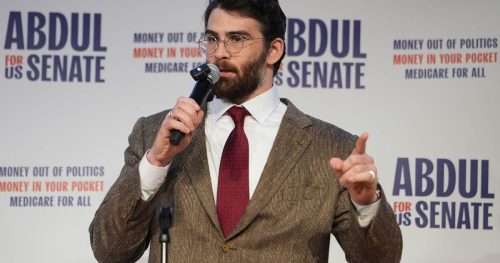
The unpaid utility episode sits alongside other political developments in the Democratic primary, where McMorrow faces Rep. Haley Stevens and Abul El-Sayed. Internal numbers and outside polling mentioned in recent coverage showed El-Sayed with an early lead among Democratic voters. That dynamic adds urgency for McMorrow to shore up credibility with her base and the broader electorate.
Here is Mallory’s pool she didn’t pay her $3,000 water bill on for a year,
while sponsoring legislation to make every Michigander pay $2/month to fund others’ unpaid water bills. https://t.co/zOg1QJqklW pic.twitter.com/LMovLctoK4— Chris Olmstead (@ct_olmstead) May 16, 2026
Voters will weigh the substance of McMorrow’s policy proposals against the facts about her personal finances and past statements. For those skeptical of expanded entitlement-style programs, this is a straightforward test of consistency: promote public spending and tolerate private nonpayment, or demonstrate personal fiscal discipline while asking taxpayers to fund new programs. The political calculation will hinge on which side persuades undecided primary and general-election voters.
Beyond headlines, the episode raises a broader policy question about how to balance targeted help for struggling households with fiscal responsibility at the state level. Any water affordability program will require a funding stream, and translating good intentions into a sustainable budget is harder than the slogans. Lawmakers and voters alike will soon have to decide whether proposals like SB 250 are viable without creating new tax burdens.
In short, this is not just a local utility dispute; it has become a campaign moment for McMorrow that touches on trust, fiscal policy, and political messaging. Her next steps—how she addresses the unpaid bill, explains the deleted tweets, and defends the funding plan—will shape how Republicans and independents interpret her candidacy. The coming weeks will test whether those explanations can blunt the criticism and refocus the conversation on policy rather than headlines.