USDA investigators have dug into state SNAP records and flagged billions in suspected improper payments, prompting arrests and a sharper push to protect taxpayers and program integrity.
The federal government has turned up the heat on SNAP fraud, moving from reports to hard analysis. The Department of Agriculture announced a dedicated SNAP integrity data team tasked with combing state records. Officials say the aim is straightforward: find abuse and stop it fast.
The team requested eligibility data that covers roughly 41 million people who rely on the program. Twenty-eight states plus the territory of Guam complied and turned over material for review, while 22 states declined to share their files. In the set provided by 29 agencies, preliminary work points to at least $3 billion a year in potential fraud, waste, and abuse.
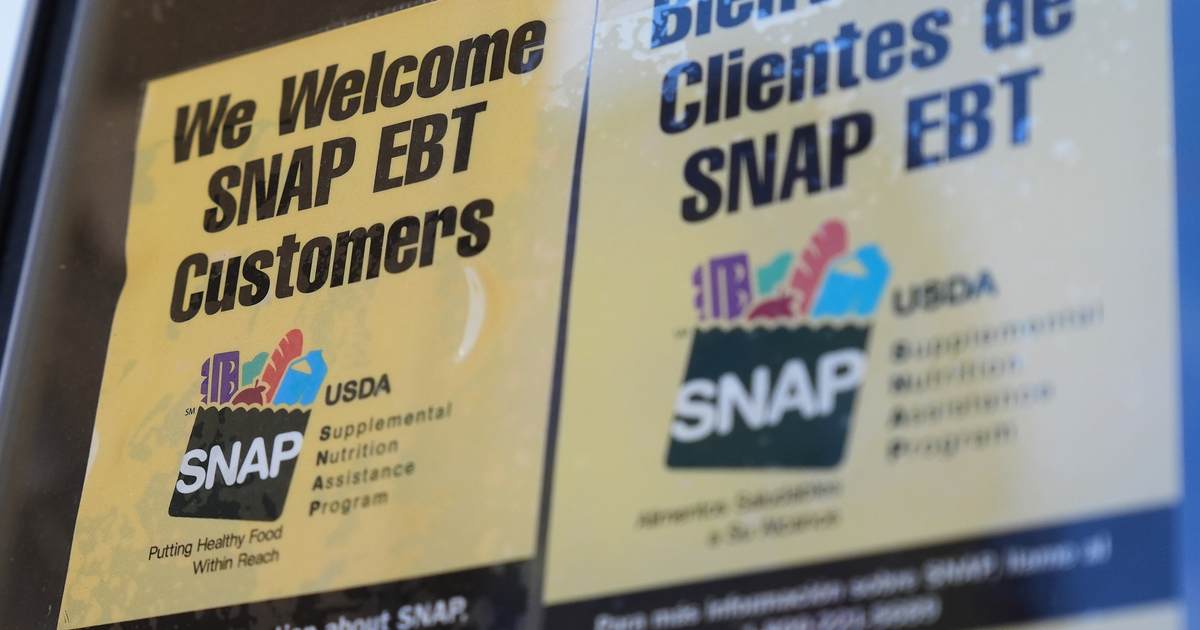
SNAP runs at nearly $100 billion a year, and Congress has told USDA to manage that investment responsibly. That statutory duty means both state agencies and USDA must have integrity and accountability systems in place. When data shows problems, those systems are supposed to trigger investigations and corrections.
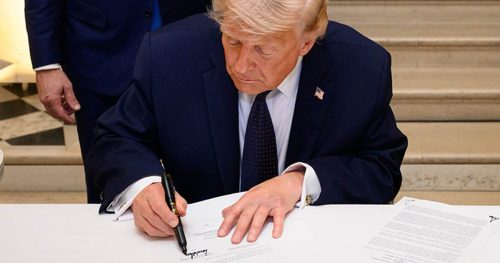
In May 2025 Secretary Brooke L. Rollins ordered states to send SNAP eligibility records to USDA and stood up the first-ever SNAP Program Integrity Data Team. The team compares state files against federal databases to find anomalies and suspicious patterns. This is a national, coordinated effort that has never been tried at this scale before.
USDA says it is working with cooperating states to verify flags and take appropriate action where fraud is suspected. The goal is to protect benefits for people who truly need them while stopping those who exploit the system. From a taxpayer standpoint, that accountability matters because every dollar taken by fraud is a dollar not spent on legitimate need.
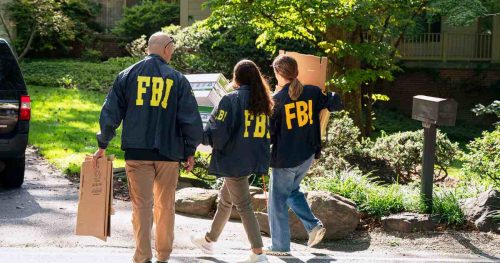
The enforcement sweep has already led to more than 1,000 alleged criminals being identified and referred for action. Among the cases flagged were three siblings accused of stealing benefits through what investigators say was an organized scheme. Those arrests illustrate how individual acts add up to large-scale losses.
Investigations have turned up sizeable schemes: a Florida arrest tied to a roughly $2.8 million scam built on stolen grocery store identities and a Minnesota case alleging $1.1 million diverted through the use of other people’s SNAP cards. In the Minnesota allegation, a grocer reportedly purchased bulk items with cards and then resold them for cash. Those methods show how bad actors can weaponize program mechanics when oversight is weak.
Still, a major problem remains: 22 states refused to hand over records that would let federal analysts check for inconsistencies across systems. That refusal undermines a nationwide effort to stop cross-jurisdiction schemes and makes it harder to protect both recipients and taxpayers. Cooperation between states and the federal government is essential if abuses are to be found and stopped quickly.
Congress gave USDA responsibility and the tools to pursue integrity, and the agency appears to be using them to pursue leads and refer cases to law enforcement. This is about protecting the generous system Americans fund and preserving benefits for the truly needy. When states cooperate, the program works better for everyone; when they resist, fraud fills the gap.
USDA Announces Over 1,000 Arrests in SNAP Fraud Crackdown, Adds New Nutrition Requirements for Retailers
The U.S. Department of Agriculture says it has made more than 1,000 arrests as part of a nationwide crackdown on alleged fraud and abuse within the Supplemental Nutrition… pic.twitter.com/VqODNOUKgV
— Breaking911 (@Breaking911) May 7, 2026
Expect more cases and referrals as the data team continues its work and as matched records generate new leads. For those watching government accountability, this effort will be a key test of whether federal and state systems can finally lock down the loopholes. The stakes are taxpayer confidence and the long-term health of a vital safety-net program.