South Carolina Republicans are mired in a messy redistricting fight that exposes leadership splits, procedural confusion, and the real risk that internal chaos will hand the advantage to their political opponents.
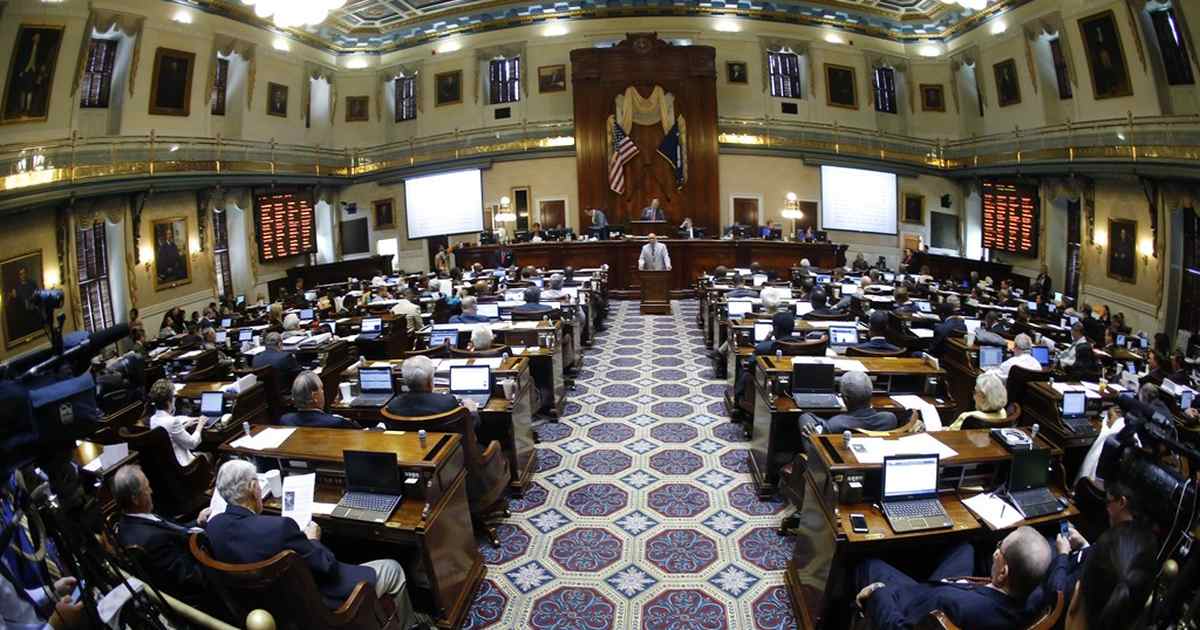
The governor called a special session to move a new congressional map, but the effort has run into roadblocks inside the Republican ranks. Some state senators are openly opposing the push, and procedural maneuvers have delayed the rollout. That internal fracturing matters because timing is tight with early voting starting soon.
This isn’t just about maps on paper; it’s about whether Republicans can govern when pressure is on from both outside forces and factional fights inside. Party leaders hoped to lock in a map favorable to conservative interests, yet infighting and strategy disputes have created openings for opponents. The failure of a key motion shows the Senate is not unified on how to move forward.
🚨BREAKING: South Carolina Senate KILLS motion to expedite Redistricting!
This puts the entire effort in serious jeopardy.
6 Republicans voted with Dems to kill it—
Rex Rice (Pickens)
Shane Massey (Edgefield)
Sean Bennett (Dorchester)
Chip Campsen (Charleston)
Tom Davis…— Adam Morgan (@RepAdamMorgan) May 22, 2026
Politics today rewards clarity and discipline, and South Carolina’s current scene lacks both. When rule fights replace substantive debate, voters notice and momentum slips away. A functioning majority should be able to consolidate around a defensible plan and execute it quickly so candidates and voters know what to expect.
Officials in the State House approved a plan and the Senate Judiciary Committee cleared it, but the full Senate failed a crucial cloture-like motion under Rule 15b. That defeat means debate can linger and potentially spill into the early voting window that opens May 26. Delays at this stage hand leverage to opponents and create uncertainty for campaigns and grassroots organizers.
- Rex Rice (Pickens)
- Shane Massey (Edgefield)
- Sean Bennett (Dorchester)
- Chip Campsen (Charleston)
- Tom Davis (Beaufort)
- Greg Hembree (Horry)
Shane Massey’s resistance as State Senate majority leader is especially damaging because leadership normally marshals votes and smooths conflicts. When the person charged with shepherding the majority won’t back the plan, it signals deeper disagreements about tactics and principles. That kind of public fracture weakens the majority’s negotiating position and confuses allies on the ground.
Some blame comes from fear of external pressure, including how high-profile actors can reshape intra-party fights in other states. Those lessons should push leaders to be smarter, not paralyzed. Republicans must avoid letting past high-drama takeovers dictate present-day paralysis; they need a clear chain of command and a plan that can survive scrutiny.
Practical politics also demand attention to optics. A drawn-out session framed as chaos looks bad in the headlines and on social feeds, and it hands the opposition talking points about incompetence. Smart messaging and disciplined votes would limit that damage and keep the focus on policy outcomes rather than procedural theater.
At the same time, rank-and-file conservatives have a right to demand maps that protect their interests and voters’ voices. That pressure is legitimate, but it needs channeling into constructive paths: amendments, votes, and public debate, not leaks and theatrics. If consensus can’t be built, leaders should set clear rules and timelines so the process ends cleanly and predictably.
Legislators who care about winning in November should remember that unity on fundamentals matters more than internal purity tests. The majority’s job is to deliver results voters can count on, and redistricting is a core part of that work. Disunity now risks erasing gains and handing narratives of failure to the other side.
Republicans in Columbia can still salvage this if they switch from finger-pointing to deal-making, prioritize a legal, defensible map, and protect the calendar for elections and campaigns. Time is short, and the party’s credibility depends on closing ranks and completing the business voters sent them to handle.