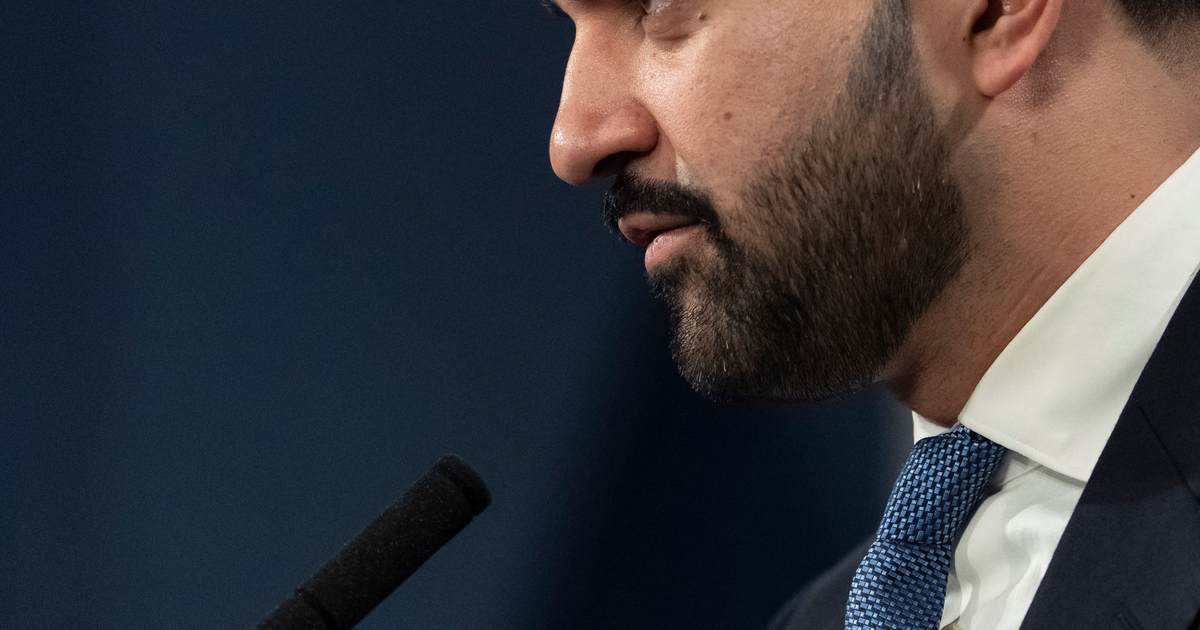
Zohran Mamdani changed the city’s antisemitism policy and then vetoed a bipartisan measure to fight antisemitism, yet he publicly condemned swastika vandalism in Queens — a reaction many view as hollow given his earlier moves and associations.
On his first day as New York City mayor, Zohran Mamdani moved to alter the definition of antisemitism that his predecessor used, a step that stirred immediate backlash. “I was proud yesterday to sign a number of executive orders that will give my administration a clean slate to get to work on delivering a new era for New Yorkers, one where they can envision living an affordable and dignified life,” Mamdani said at the time. Days later his first veto derailed a bipartisan effort aimed at combating antisemitism across the city.
The timing is sharp: while his administration blocked that legislation, reports then surfaced of swastikas sprayed on homes and synagogues in Queens. Critics note the tension between an administration that altered antisemitism policy and the visceral harm of Nazi symbols appearing in Jewish neighborhoods. Many find the mayor’s public outrage hard to square with his earlier policy choices and political alliances.
“I am horrified and angered by the swastikas painted on homes and synagogues in Queens, including on a plaque honoring survivors of Kristallnacht. This is not just vandalism — it is a deliberate act of antisemitic hatred meant to instill fear. There is no place for antisemitism in Queens or anywhere in our city. I stand in solidarity with our Jewish neighbors. Their safety, dignity, and belonging are non-negotiable. The NYPD Hate Crimes Task Force is investigating and I am confident those responsible will be held accountable,” Mamdani wrote on X.
On paper, the statement checks the right boxes: condemnation, solidarity, and a promise of an investigation. Still, public statements only matter if backed by consistent policy and action from the mayor’s office and the city’s law enforcement partners. For many critics, the lack of follow-through after policy shifts undermines trust in those words.
I am horrified and angered by the swastikas painted on homes and synagogues in Queens, including on a plaque honoring survivors of Kristallnacht. This is not just vandalism — it is a deliberate act of antisemitic hatred meant to instill fear.⁰⁰There is no place for antisemitism…
— Mayor Zohran Kwame Mamdani (@NYCMayor) May 4, 2026
Forgive us if we don’t believe him.
Yeah, he’s not “horrified and angered.” At all. The concern here is performance over principle: perform outrage when convenient but avoid policy steps that would actually deter or penalize antisemitic actions. That pattern breeds suspicion among residents who want real protection, not platitudes.
He knows what it means. And this is exactly it.
Yes, he is.
This reads as faux outrage. Saying the right words is easy when cameras are rolling, but leadership requires making difficult choices that sometimes upset political allies. When a leader blocks bipartisan measures aimed at protecting a targeted community, words of horror ring hollow to those who live with the consequences.
Never forget that.
You don’t marry someone who celebrates the largest slaughter of Jews since the Holocaust if you don’t agree with it. That personal association raises serious questions about judgment and direction at the top of city government, and those questions are unavoidable when symbolic hate shows up on neighborhood walls.
You know him by the company he keeps. Politics is often about alliances, and alliances define priorities more than press releases do. When public officials demonstrate tolerance for extreme rhetoric in private or through their close circles, it shapes how policy is made and which threats get taken seriously.
Sadly, something big will probably happen and the people who support Mamdani will applaud, just like his wife. Voters and civic leaders deserve mayors whose reactions match the scale and seriousness of the threats faced by their communities. Words that feel choreographed for optics do nothing to prevent future violence or intimidation.
This moment reveals a broader cultural shift: some factions that claim to oppose hate seem willing to shrug when it suits their agenda. That disconnect is dangerous, because tolerating or minimizing antisemitic acts corrodes trust and emboldens bad actors. City leaders have an obligation to go beyond statements and show consistent, protective policies in action.