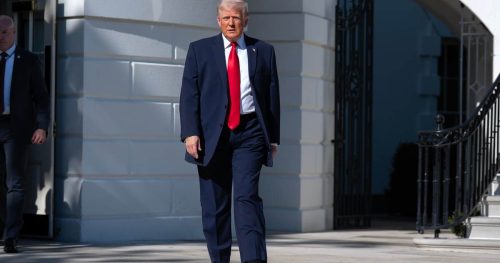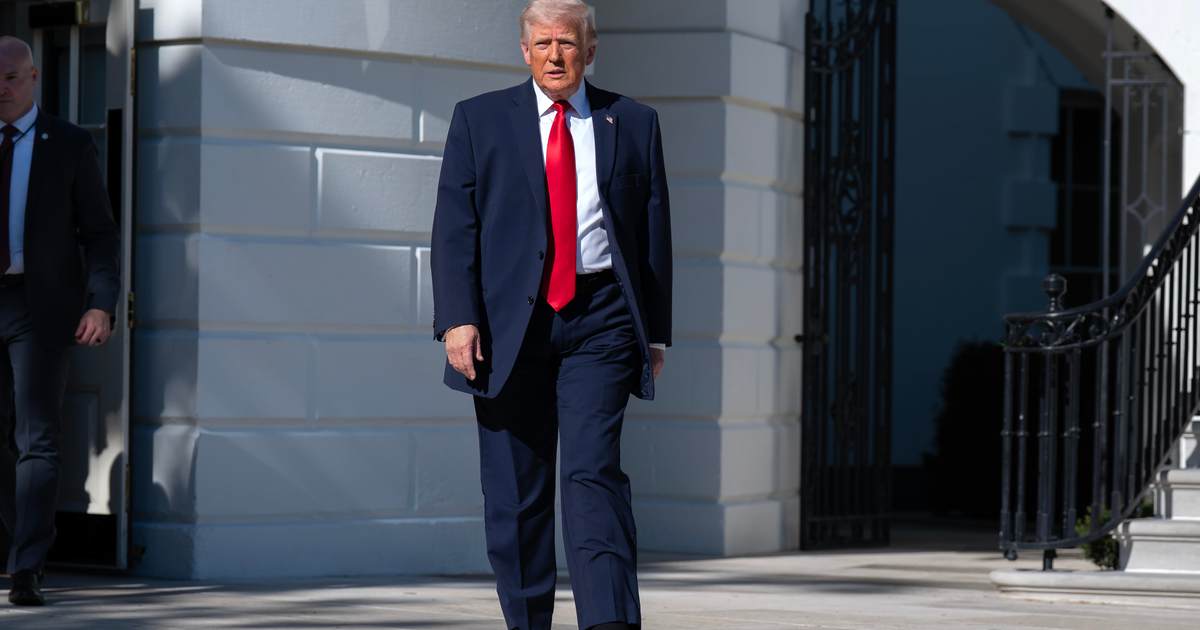
President Trump’s primary-season swing left a clear mark: his endorsements kept winning, establishment Republicans took hits, and the Senate looks more combustible heading into the reconciliation fight.
Donald Trump’s endorsement streak stayed intact after the latest round of primaries, and that momentum reshaped a handful of races. Rep. Thomas Massie lost his primary to the Trump-backed challenger, and Sen. Bill Cassidy failed to advance, signaling real consequences for those who cross the former president. The message is simple and brutal: challenge the base-backed lane and risk being primaried or ousted.
The fallout isn’t just about individual losses; it’s about a mood shift inside the Republican conference. Senators like John Cornyn now face runoff pressure, and the dynamics around leadership figures such as John Thune have changed. There is a growing appetite for accountability, and the old games in the Senate won’t be tolerated the way they were before.
On the policy front, tensions are playing out where it matters most: the $72 billion reconciliation package and a broader legislative agenda. A reworked reconciliation bill had to be adjusted after the Senate Parliamentarian struck down several provisions, and that technical setback landed amid a rawer political environment. With the caucus fracturing and new members aligned with the base, passing major priorities will be far more complicated.
Thune (R-S.D.) called it Trump’s “decision.” But it’s Thune’s problem to pass Trump’s agenda, with a trio of senators the president can no longer hurt.
Sen. Thom Tillis (R-N.C.) has been unbowed since announcing his retirement in July 2025 after clashes with Trump.
Sen. Bill Cassidy (R-La.) voted with Democrats Wednesday to advance an Iran war powers vote to debate.
Sen. John Cornyn (R-Texas) has a runoff May 26 but will enter it with Trump backing someone else.
Adding to Thune’s degree of difficulty: a president sick of the Senate and its rules, and rank-and-file Republicans seething over Trump’s knifing of Cornyn.
“I don’t understand. He [Paxton] is an ethically challenged individual,” said Sen. Susan Collins (R-Maine).
“I’m supremely disappointed,” Sen. Lisa Murkowski (R-Alaska) said.
Driving the news: Trump’s endorsement of Paxton came in the middle of his 10-day GOP revenge tour.
Cassidy fell Saturday, failing to make the runoff in Louisiana’s Senate primary.
“Horrible Congressman Thomas Massie” (R-Ky.), as the president called him, lost his primary Tuesday to the Trump-endorsed Ed Gallrein.
Between the lines: The race will now be “three times more expensive” for Republicans to hold, said Sen. Lindsey Graham (R.S.C.), referencing Democratic nominee James Talarico setting Texas-sized fundraising records.
A Thune ally told Axios: “Republicans may keep Texas, but you broke-it-you-buy-it. MAGA Inc. just became Texas Inc.”
What we’re watching: The $72 billion reconciliation package will be the first test for the Senate’s newly combustible environment.
The tenor from grassroots activists and voters is unmistakable: they want results and they want loyalty. That explains why endorsements from a popular Republican figure moved races and why once-safe incumbents suddenly looked vulnerable. Campaign donors and rank-and-file voters are reacting to perceived disloyalty and policy drift, and that energy matters at the ballot box.
Some establishment figures are publicly complaining about the chaos, and a few moderate Republicans are openly worried about governance and optics. But from a conservative standpoint, that internal grumbling is an old story compared with a party that finally enforces its principles. If the goal is to restore discipline and advance conservative priorities, making room for accountability is part of the process.
There are real strategic risks, though, particularly in competitive states where a bruising primary can hand momentum to Democrats. The math in places like Texas or Louisiana matters, and opportunistic opponents will capitalize on divisions. Still, Republicans who back the base message argue that discipline beats drift when it comes to winning back trust and delivering on conservative priorities.
On the Hill, personalities and process are colliding. Leaders who once brokered deals must now navigate a more volatile caucus and a sharper activist base. The Senate’s procedural rules, the Parliamentarian’s rulings, and a handful of pivotal senators will determine whether major bills survive the gauntlet. That uncertainty raises the stakes for any reconciliation push.
Practically speaking, the coming weeks will test whether the party can convert primary energy into legislative power without fracturing too badly. That requires clear messaging, disciplined votes, and a willingness to make hard choices. For many conservatives, the short-term pain of contested primaries is acceptable if it produces a stronger, more unified Republican bench committed to results.
At the end of the day, the recent primaries are a snapshot of a party in transition: decisive, sometimes ruthless, and impatient with the status quo. The leaders who adjust will survive. Those who keep playing the old game risk getting swept aside by voters who want action, not inside baseball.