A federal judge blocked a plan to tie citizenship checks to the Social Security database, calling the effort a privacy violation and halting a Trump administration election integrity proposal.
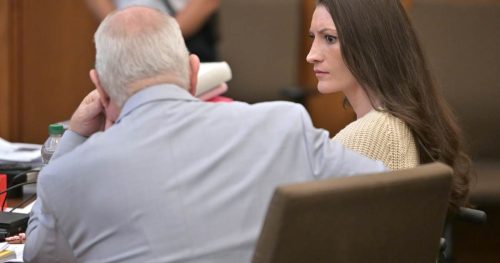
Judge Sparkle Sooknanan, a Biden appointee born in Trinidad and Tobago, issued a ruling against a Trump administration policy that would have used Social Security records to verify voters’ citizenship. The decision stops the Department of Homeland Security from building a searchable citizenship database linked to the Social Security Administration for election checks. Her ruling landed at the center of a heated debate over privacy, voting rights, and administrative power.
The administration sought to expand existing systems by creating the Systematic Alien Verification for Entitlements (SAVE) as a cross-checked tool for citizenship verification. The plan would have made it easier for election officials to confirm whether registrants were citizens by referencing federal records in a more centralized, searchable way. Supporters argued the change was a practical step to protect election integrity; opponents said it risked sensitive personal data and overreach.
https://x.com/libsoftiktok/status/2069180009835643296
Sooknanan framed her decision through a civil liberties lens and explicitly cited privacy concerns as central to the ruling. She wrote: “All in all, the federal government has knowingly trampled on the privacy rights of American citizens in a manner that threatens the sacred right to vote,” Sooknanan stated in the decision. “This Court cannot stand idly by while that happens.”
That language immediately set off reactions from conservative circles pointing to a pattern of judicial decisions that, they say, favor administrative caution at the expense of common-sense safeguards. “Judge Sparkle decrees that America belongs to any random alien on planet earth, just like our founders intended,” White House Deputy Chief of Staff Stephen Miller responded on social media.
Sooknanan’s record includes another high-profile block: she previously ruled against a Trump administration policy aimed at removing Guatemalan illegal aliens in September 2025. She was nominated to the federal bench in February 2024 by President Joe Biden and confirmed in a 50-48 vote in December of that year. Those facts have been picked up by critics who argue her rulings reflect a broader approach to immigration and administrative policy that they find troubling.
From a Republican perspective, the ruling raises two clear concerns: first, that courts are increasingly hampering administrative tools designed to secure elections; and second, that questions about privacy are being used as a blanket shield against practical verification methods. The SAVE system, in proponents’ view, was a narrowly tailored way to check citizenship without granting new voting rules or stripping anyone of rights.
Opponents of the policy insist centralized checks invite data misuse or errors that could disenfranchise lawful voters, and they point to the need for strict safeguards if any government database is used for election purposes. Those are legitimate concerns, but critics say the immediate remedy should be better implementation and transparent rules rather than a wholesale legal bar that prevents verification altogether. The debate is now less about whether verification should exist and more about who gets to decide the tools and limits.
Practically speaking, the ruling creates an opening for appeals and for new policy proposals that might thread the needle between privacy guarantees and verification protocols. DHS could revise its approach, add stronger privacy architecture, or seek legislative authorization that explicitly governs access and use. Still, the court’s position complicates the timeline and raises the cost of any effort to link federal records with state election processes.
The wider implication is political: this will be a talking point for campaigns and commentariat on both sides. Conservatives will point to the decision as evidence of activist judges blocking commonsense reforms, while Democrats and civil liberties advocates will cite privacy and the risks of government databases touching voting rolls. Lawmakers who care about secure and lawful elections will soon face pressure to either legislate clear rules or allow administrative tools under strict oversight.