Mayor Muriel Bowser has reinstated a limited juvenile curfew and authorized a temporary curfew zone in Washington, D.C., using Mayor’s Order 2026-091 to give the Metropolitan Police Department targeted authority over youth gatherings in areas at risk for disorder, with specific dates, times, penalties, and exempt activities spelled out.
Washington, D.C.’s mayor signed Mayor’s Order 2026-091 to put a narrow juvenile curfew back into effect starting Friday. The order gives the Chief of the Metropolitan Police Department authority to name a juvenile curfew zone where groups of at least nine young people in public could be subject to curfew enforcement. This is a focused tool meant to address concentrated problems rather than a blanket shutdown of public life.
The citywide overnight curfew remains 11:00 p.m. to 6:00 a.m. every week unless a minor is engaged in an activity that is specifically exempted. The temporary curfew zone will operate on a shorter evening schedule, running from 8:00 p.m. to 11:00 p.m. on Friday, June 12, Saturday, June 13, and Sunday, June 14, 2026.
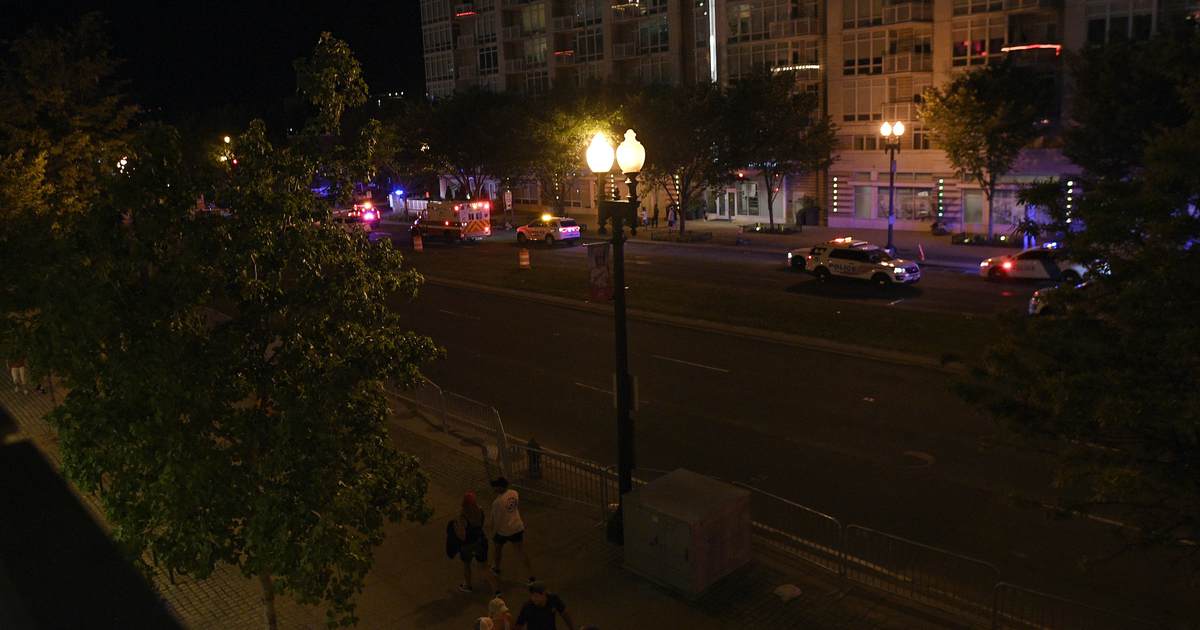
The stated goal of the order is to stop “teen takeovers” that destroy businesses and put people at risk. Officials pointed to recent incidents where teens caused disorder and harmed property, and cited a May brawl at a Chipotle in Navy Yard that led to several arrests. Those incidents underscore why targeted enforcement tools are being used this weekend.
The designated area for the Navy Yard Juvenile Curfew Zone is described by fixed perimeter markers to make enforcement clear and predictable. The boundaries are: to the north, I-695 from South Capitol Street to 8th Street SE; to the east, 8th Street from I-695 to the Anacostia River; to the south, the Anacostia River; and to the west, South Capitol Street SE from the Anacostia River to I-695. These lines are intended to limit ambiguity for families, businesses, and law enforcement.
The curfew zone hours for the Navy Yard match the temporary schedule: 8:00 p.m. to 11:00 p.m. on June 12, 13, and 14, 2026. Inside that zone, people under 18 are prohibited from gathering in groups of nine or more in public places or on establishment premises unless they qualify for an exemption. The rule targets group behavior while leaving normal family and legitimate youth activities alone.
https://x.com/MayorBowser/status/2065555192699887948
Violating the curfew carries a criminal fine of up to $300 or confinement for not more than 10 days, penalties designed to dissuade repeat behavior and encourage parental oversight. Enforcement in a free society should be firm but fair, holding minors and guardians accountable when public safety is harmed. The aim here is deterrence and restoration of order, not mass criminalization of ordinary youth activity.
The order lists several exempt activities so routine, lawful actions are not swept up by the restriction. Exemptions include accompaniment by a parent or guardian, errands at the direction of a parent or guardian without detours, interstate travel by motor vehicle, work or travel to and from a job without detour, involvement in an emergency, and standing on a sidewalk that adjoins a residence or a next-door neighbor’s residence when there is no complaint. Additional exemptions cover attendance at official school, religious, or recreational activities sponsored by responsible organizations and the exercise of First Amendment rights protected by the US Constitution.
This measure will be watched closely over the weekend as a test of targeted, short-term enforcement in response to concentrated disorder. It places responsibility on parents and guardians while giving local police a clear legal framework to act in troubled spots. The balance sought here is straightforward: protect small businesses and public safety while preserving legitimate activity under defined exemptions.