Pretrial developments in the Charlie Kirk assassination case have exposed troubling details about the shooter’s motives, campus security, and the public response from prominent Democrats, including Alex Vindman.
The pretrial hearings for Tyler Robinson, accused of killing Charlie Kirk last September at Utah Valley University, are now underway and revealing key evidence. A judge rejected Robinson’s request to remove the death penalty from consideration, and prosecutors have presented DNA and video evidence tying him to the scene. These facts matter because they frame both the legal stakes and the political fallout from the attack.
Prosecutors have described how Robinson targeted Kirk over his political views, including reporting that Robinson told a roommate, “I had the opportunity to take out Charlie Kirk and I’m going to take it” and that he’d “had enough of his hatred. Some hate can’t be negotiated out.” Those recorded statements point to a politically motivated violence that cannot be shrugged off as isolated or personal.
Donald Trump Jr. also highlighted apparent security failures at the event, saying, “One of the things I did hear that was sort of shocking was that there were only six officers on duty, you know, on this campus event.” That detail raises questions about event planning and whether public figures are being adequately protected when they engage with young Americans on campus.
Since the assassination, some on the Left have reacted with alarming indifference and even mockery, dressing up as a bloody Charlie Kirk for Halloween and celebrating or minimizing the killing. Those reactions underscore a larger cultural problem where political disagreement becomes dehumanization, and dehumanization can lead to violence.
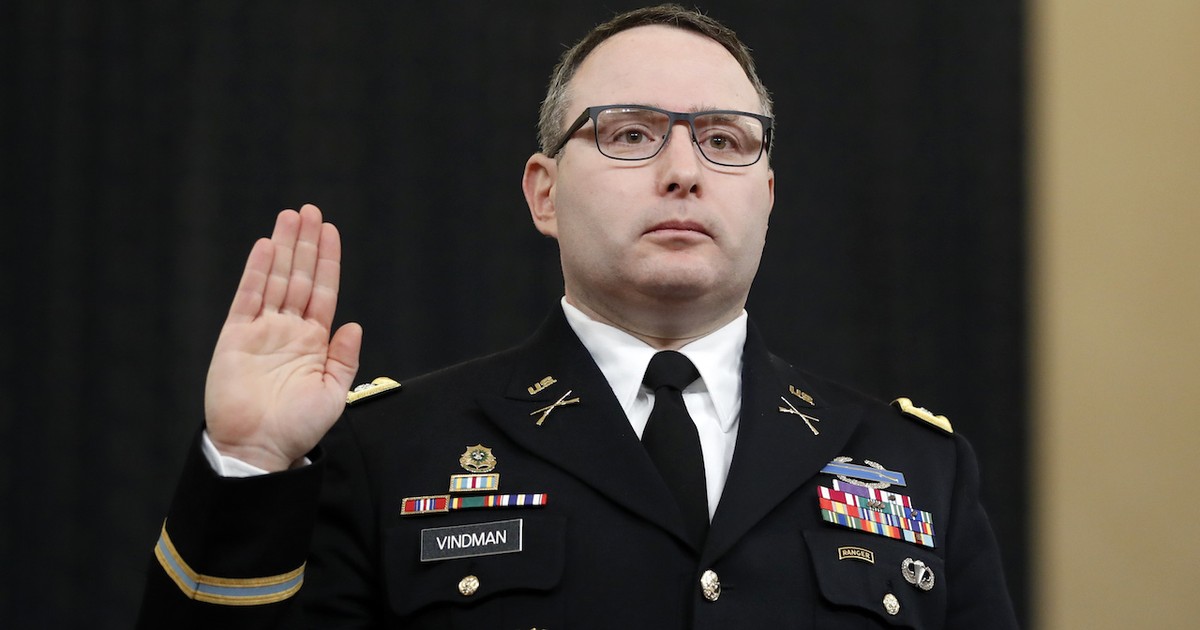
Nine days after the killing, Democratic Senate candidate Alex Vindman posted on X, presenting a version of a resolution that honored Kirk and crossing out the title “Honoring the Life and Legacy of Charles ‘Charlie’ James Kirk” while using red to mark what he called lies about Kirk. Vindman wrote that Kirk “manufactured lies and hate” and “poisoned young minds” while condemning a Republican resolution in the House that sought to honor Kirk.
https://x.com/AVindman/status/1969014350770761810
Vindman’s public dismissal of Kirk’s life and work was striking not just for its harshness but for what it omitted. He did not, in that same post, offer a clear condemnation of the violence that ended Kirk’s life, nor did he extend condolences to Kirk’s widow and children. For many voters, that silence was as telling as any statement.
The contrast between Vindman’s message and Kirk’s public mission is sharp. Kirk focused on engaging young Americans, speaking about faith and free expression, and building influence through the First Amendment. That is precisely the kind of peaceful political activity that should be protected, not baselessly vilified.
Vindman is not alone in a pattern of casual responses to political violence from the Left. His wife, Rachel Vindman, drew attention after a separate incident when she mocked President Trump following a failed assassination attempt in 2024, writing in a now-deleted post, “No ears were harmed. Carry on with your Sunday afternoon.” Remarks like that contribute to a climate where threats against public figures are treated as punchlines.
Politically, Vindman is on the ballot in Florida’s Democratic primary on August 18, and the winner will face Republican incumbent Ashley Moody in November. Florida voters deserve to know how a candidate for the U.S. Senate reacts when conservatives are targeted for violence, and whether that candidate respects the basic decency of condemning murder irrespective of political differences.
These developments—courtroom evidence, security failures, and the public comments from elected hopefuls—are all connected. They force a choice: either we uphold the norms that protect citizens and political speech, or we normalize a culture that excuses or downplays attacks on those with whom we disagree. The stakes are legal, moral, and political.
Editor’s Note: The 2026 Midterms will determine the fate of President Trump’s America First agenda. Republicans must maintain control of both chambers of Congress.