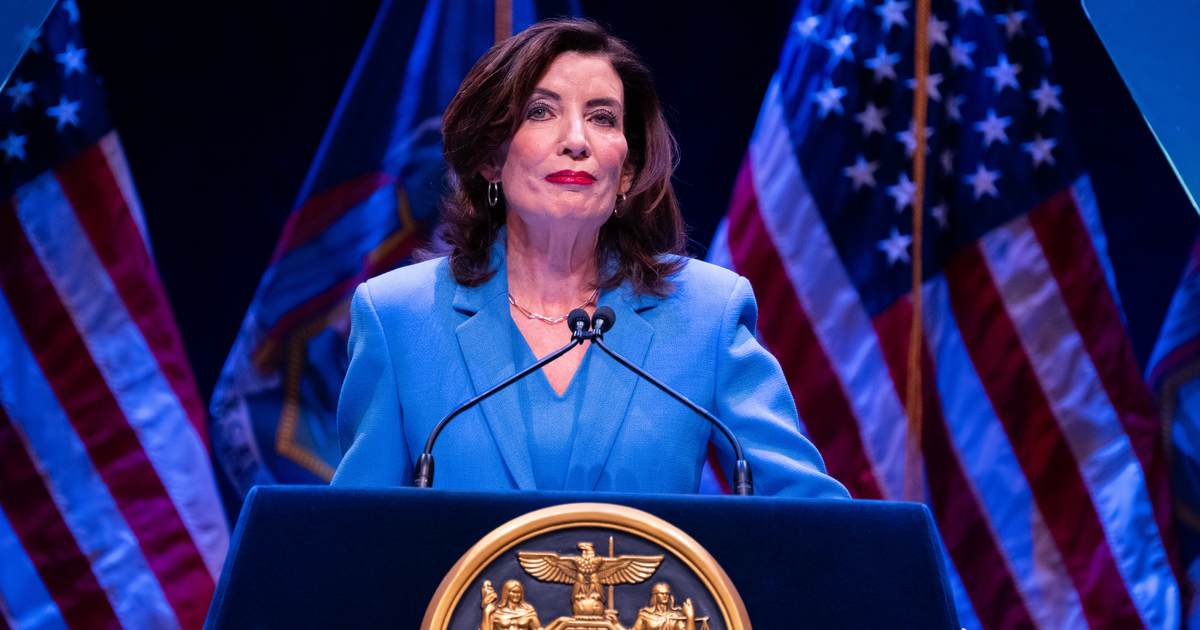
Governor Kathy Hochul is defending congestion pricing as a point of pride against President Trump, and that political posture matters for New Yorkers who face higher costs and public-safety problems in transit.
The current Democratic instinct to measure political success by opposition to President Trump has reshaped policy debates into identity contests. That posture turns governing into performance, where symbolic victories matter more than results for everyday people. Voters end up paying the price when policy choices prioritize a political score over practical consequences.
We saw the same flip-flop in the 2024 campaign when Democrats scoffed at ideas from President Trump until a rival adopted them, at which point those policies were suddenly praised. That kind of partisan inconsistency breeds cynicism and destroys straightforward policy debates about taxes and the cost of living. People notice when a policy becomes popular only because the right person supports it.
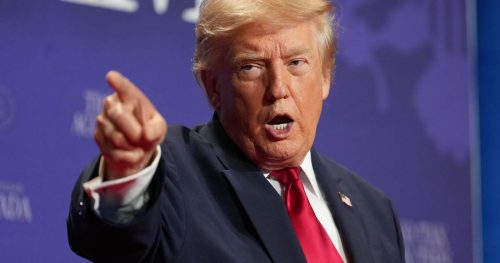
In New York, Governor Kathy Hochul has leaned into that playbook, openly framing her defense of congestion pricing as a rebuke to Trump. She has turned a complex urban policy into a political statement, cheering that it will remain in place because the White House opposes it. The framing makes the policy less about traffic and more about sticking it to an opponent.
https://x.com/RNCResearch/status/2074886240382369814
“You are an important part of us getting congestion pricing over the line,” Hochul said. “Thank you very much. And we’ll continue to stand up to the Trump administration and say, ‘That ain’t going anywhere, Mr. President! We are keeping our congestion pricing!’ Cause it’s 27 million fewer cars on the roads in our city!”
Supporters trumpet congestion pricing as a way to cut traffic and emissions, and proponents point to fewer cars as a clear metric. But policy results are not measured in slogans; they are measured in people’s wallets and in whether transit is actually safe and reliable. For many working families, new fees are just another cost added to commuting and daily life.
At the same time, New Yorkers are reporting alarming violence on public transit: assaults, stabbings, people pushed onto tracks, and even incidents of passengers set on fire. Those are not abstract statistics; they are immediate public-safety failures that make daily travel riskier for commuters. When residents fear for their safety, touting a policy as a political win feels out of touch.
Good work, Democrats. That reaction is short and stinging because voters want leadership that prioritizes practical solutions over political theater. When tax increases and transit fees are defended primarily as a protest against the president, trust erodes. The public deserves policies judged by outcomes, not by which side gets to claim a victory.
Still, the political reality is what drives this: politicians will often keep measures in place as long as they score points against the other side. That logic explains why a policy like congestion pricing is defended even amid public concern about crime and cost. The choice to emphasize defiance over reconciliation says a lot about priorities.
Democrats around the country appear comfortable treating policy as a symbol of resistance rather than a tool for governance. That attitude lets them cheer policies that appeal to their base while ignoring the practical burdens those policies place on ordinary people. Political theater is no substitute for public service.
Taxation is always theft. Every tax or fee levied by government takes money that families might have used for groceries, transportation, or saving, and hands it to politicians who then decide how to spend it. Labeling that transfer as a moral or political victory does not make it less painful for the people who pay.
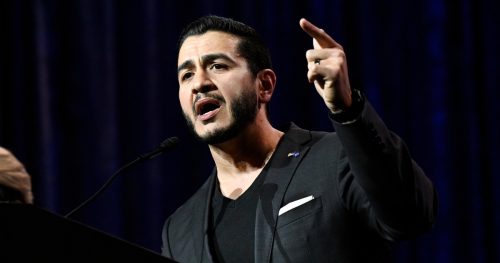
Hochul, like other establishment Democrats, know Mamdani’s socialists have them in the crosshairs. That pressure nudges officials to adopt stances that signal loyalty to progressive factions rather than address the immediate needs of constituents. When internal party dynamics drive policy, residents lose out to factional politics.
Democrats do not care. They support illegal immigration even though it harms Americans in numerous ways. Taxing Americans is small potatoes compared to that. The pattern is clear: when political signaling takes precedence, practical governance suffers and ordinary citizens bear the costs.
Editor’s Note: Every single day, here at Townhall, we will stand up and FIGHT, FIGHT, FIGHT against the radical Left and deliver the conservative reporting our readers deserve.