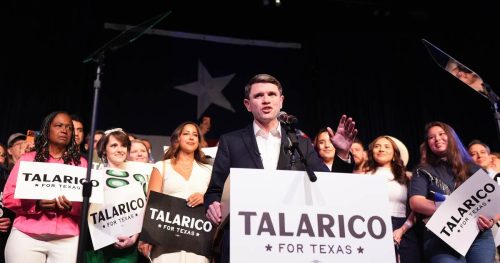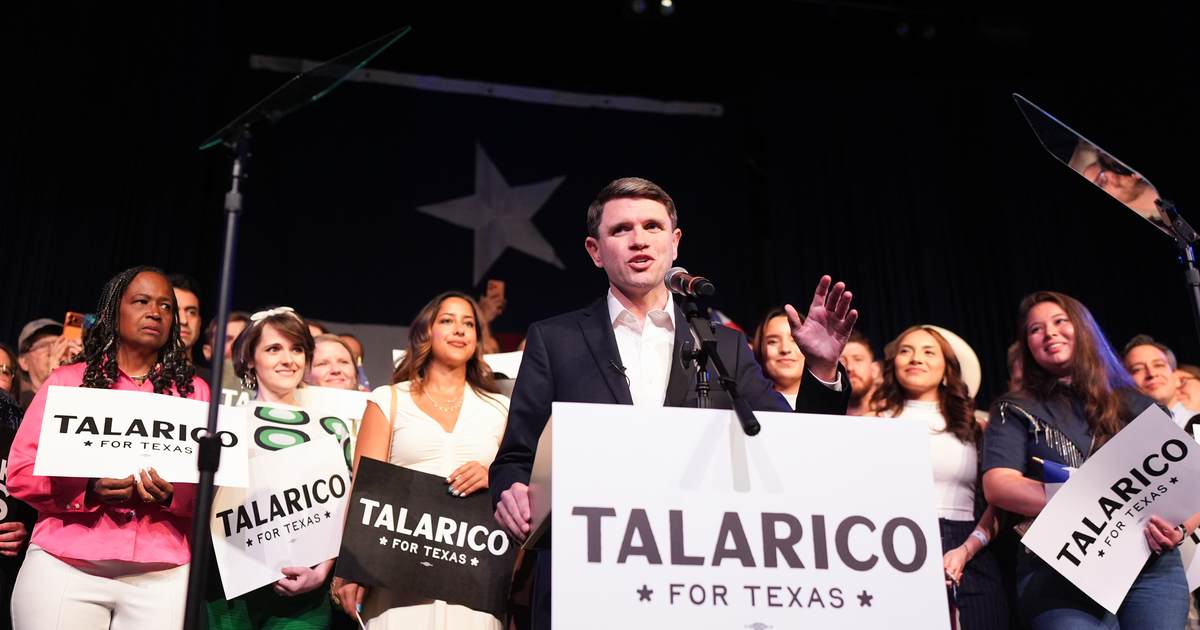
James Talarico’s new seven-figure ad buy touts his “record” on affordability, but a review of his votes and public remarks paints a different picture about his approach to taxes, anti-corruption measures, and personal conduct.
Democrat U.S. Senate hopeful James Talarico rolled out a 30 second ad that claims he “brought both parties together” to fight the rising cost of living, yet the ad repeats assertions that don’t sit well with his legislative history. The spot is reportedly a seven-figure buy across major Texas metro areas, and Republicans view it as an attempt to rewrite a public record that already exists in state roll calls and public statements. The ad’s upbeat tone does not erase the contrast between the commercials and what Talarico actually supported or opposed in the Legislature.
Talarico’s commercial leans on words like “record” while claiming credit for the “largest property tax cut in history” tied to 2023’s SB 2, but he chose not to co-sponsor that measure even though 18 of his Democratic colleagues did. His voting choices are on the public record and show he opposed earlier restrictions on local government tax increases, including voting against the 2019 SB 2 measure that constrained rapid tax hikes without voter approval. For voters weighing rhetoric against reality, those are important distinctions.
https://x.com/adamwren/status/2069033593201160588
Beyond property taxes, Talarico has been an outspoken foe of parts of the national affordability push, most notably the Working Families Tax Cuts. He called that package “deeply immoral,” branded it the “Big Ugly Bill,” and warned that those who advanced it “need to pay a price at the ballot box.” Those are not shy comments; they reflect a policy posture that lines up with opposing broad tax relief proposals rather than championing them.
The Working Families Tax Cuts that Talarico attacked had measurable effects in Texas, including an up to $10,700 increase in take-home pay for some residents, the reported saving of over 500,000 jobs within the state, an expanded Child Tax Credit for more than 3.5 million Texan families, and a larger standard deduction affecting 12 million Texans. Those are concrete outcomes often cited by Republicans to show how tax reform and cuts can boost family budgets and job stability across a state the size of Texas.
Talarico’s voting history shows a consistent resistance to tax limits favored by conservatives. He opposed a 2019 ban on a state income tax, voted against a 2023 ban on a Texas wealth tax, refused to cast a vote on a 2025 effort to ban taxes on unrealized capital gains, and later voted against a prohibition on death taxes. He has also campaigned in support of raising the corporate tax rate, a stance that signals a willingness to increase tax burdens on businesses rather than pursue broad tax relief.
On anti-corruption and lobbying reforms, his record raises red flags for voters who want strict limits on special interests. A year ago he voted against a bill meant to end no-bid lobbying contracts for local governments, even as reporting noted he was receiving tens of thousands of dollars for contract work with a public education contractor focused on DEI projects. That combination of votes and outside income invites questions about consistency and priorities.
There are also lingering questions about his conduct around staffing and personal relationships while working in the Texas Capitol. Public reporting highlighted discrepancies in the timeline Talarico provided for a romantic relationship with a former chief of staff, and statements from colleagues suggest the relationship began while she was employed by him. Maintaining a previous staffer in the Capitol while serving as an elected official only compounds concerns for those who want ethical clarity from candidates.
The ad buy and the messaging it spreads set the stage for a clear contrast with his likely November opponent, close Trump-ally Ken Paxton, whose record on affordability and conservative priorities will be the touchstone for many voters. Talarico’s record — his votes, his rhetoric against broad tax relief, and questions about his conduct — will be central to how Republican voters and independents judge his candidacy in the months ahead.