Acting DOJ leaders revealed a massive healthcare fraud sweep that exposed hundreds of defendants and billions taken from taxpayers, and top prosecutors laid out how the schemes worked and who was hurt.
Yesterday, acting U.S. Attorney General Todd Blanche announced that fraud charges had been brought against hundreds of defendants for various forms of healthcare fraud. Officials say the schemes drained at least $6.5 billion from American taxpayers and touched programs meant to help the sick and the elderly. The scale stunned listeners and underscored a national problem that crosses state lines and medical specialties.
Colin McDonald, the Assistant Attorney General for the National Fraud Enforcement Division, joined Laura Ingraham to talk through the indictments and enforcement priorities. “Take us into the nuts and bolts of this case,” Ingraham said. “How much money was stolen from the American people?”
“I think the American viewers would be shocked at the numbers that we are uncovering in our efforts here. The total number of cases here today was 455 charged defendants, reaching $6.5 billion in fraud,” McDonald said. His words put a hard number on what too many in Washington treat as a nuisance instead of a national theft. Those figures show this is not small-time billing errors but organized, repeated schemes aimed squarely at taxpayer-funded care.
https://x.com/IngrahamAngle/status/2069587358446391749
“What we see in these cases, the common theme, is you have fraudsters masquerading as medical professionals who insert themselves into these medical programs and prey on unsuspecting health patients who are coming to them in their time of need,” McDonald continued, “trusting the medical profession with their health and with their livelihood. And instead, they’re walking into the den of a fraudster who are simply looking to take their personal information, take their name, and bill the taxpayer for services that were not needed to begin with or never, ever given. And what happens is the money racks up in incredible amounts, as you saw in some of the cases we had today.”
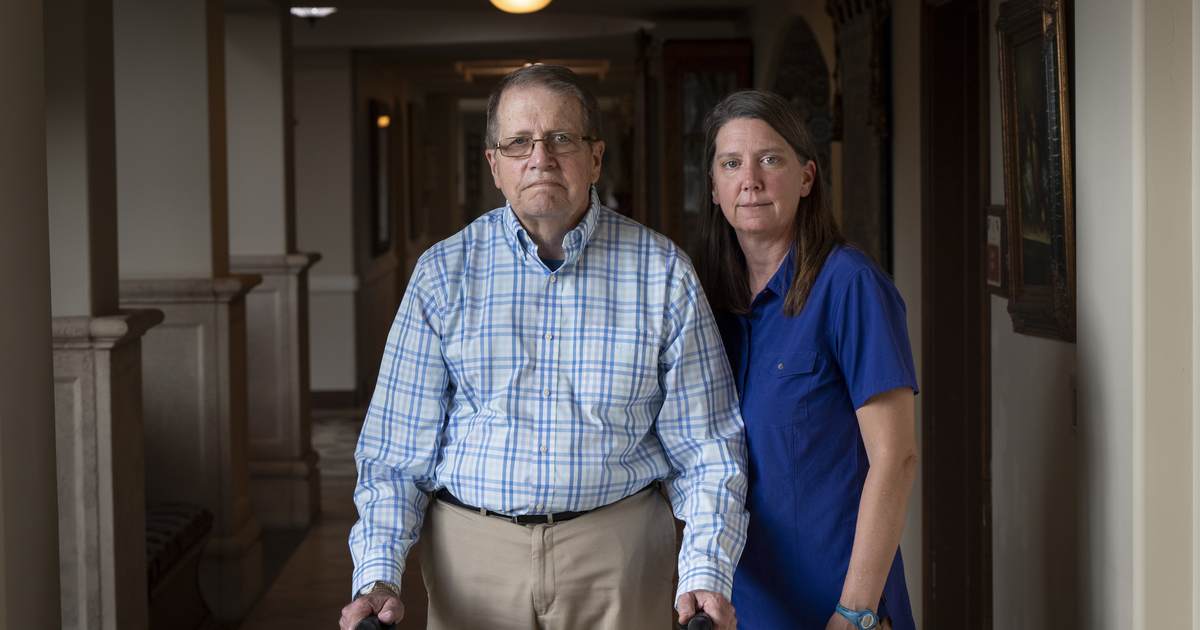
Families and seniors paid the price. William Bortz, left, stands alongside his daughter, Ave Williams, at his senior living center, Friday, May 17, 2024, in San Diego. Bortz said criminals stole his family’s nest egg of almost $700,000 in an elaborate scheme. McDonald did not mince words about where stolen dollars ended up: “And yes, in the end, what do they spend it on? They’re not spending it on groceries. They’re spending it on Rolls Royces, Bulgari necklaces, and on luxury homes,” McDonald said. “That’s not what the American taxpayer signed up for, and today the American people saw the full might on the government come down on these fraudsters.”
The thread through each indictment was the same: fake providers, sham clinics, or fraudulent billing that converted public funds into private luxury. Prosecutors say charges range across schemes that targeted Medicare, Medicaid, and other federal programs, and the enforcement push spanned many U.S. districts. The message from leadership was direct — these are not victimless technical violations but criminal enterprises siphoning resources meant for care.
What happens next will be up to prosecutors and judges, but the announcement itself serves as a public warning. Taxpayers who fund these programs deserve better oversight and swift punishment for those who exploit the system, and the cases now moving through courts will test whether enforcement can match the scale of the theft. The defendants charged in this sweep will face the legal consequences that follow large, coordinated fraud operations.