Federal prosecutors say a Reno businessman diverted millions from a USDA broadband grant meant for rural Nevada, then moved much of the cash through cryptocurrency exchanges, prompting a 16-count indictment that includes theft, money laundering, and use of false documents.
Stephen A. Kromer, 48, once ran Uprise, LLC, an internet service provider based in Reno that won federal support for a rural broadband project near Lovelock, Nevada. The indictment alleges the scheme unfolded while Uprise pursued a USDA ReConnect grant and promised a significant company contribution toward the work. Prosecutors contend the alleged theft left a project intended to expand high-speed internet in the region undermined by fraud.
Court papers say the Lovelock plan was a roughly $36 million construction effort to bring service to households and businesses about 100 miles northeast of Reno. Uprise is alleged to have applied for the grant in 2022 and to have sought a $27 million award from the USDA, with the company itself agreeing to provide the remaining $9 million. That company share was supposed to sit in a restricted Pledged Deposit Account that limited withdrawals to approved project costs.
According to the indictment, the USDA paid the grant in June 2023 and required Uprise to deposit its $9 million share into the PDA so project funds could be accounted for and controlled. Investigators allege Kromer then made 32 wire transfers from the PDA to his personal account between May and November 2024. Each transfer is said to have been masked by false accounting entries that purported to show legitimate project expenses when they were not.
“Today’s 16-count indictment against the defendant is serious; and should send a clear message that the U.S. Attorney’s Office remains committed to ending corruption,” said First Assistant United States Attorney Sigal Chattah for the District of Nevada. “The Public Corruption Strike Force within the U.S. Attorney’s Office is working closely with our federal, state, and local law enforcement partner agencies to root out corruption, including theft of federal program grant funds.”
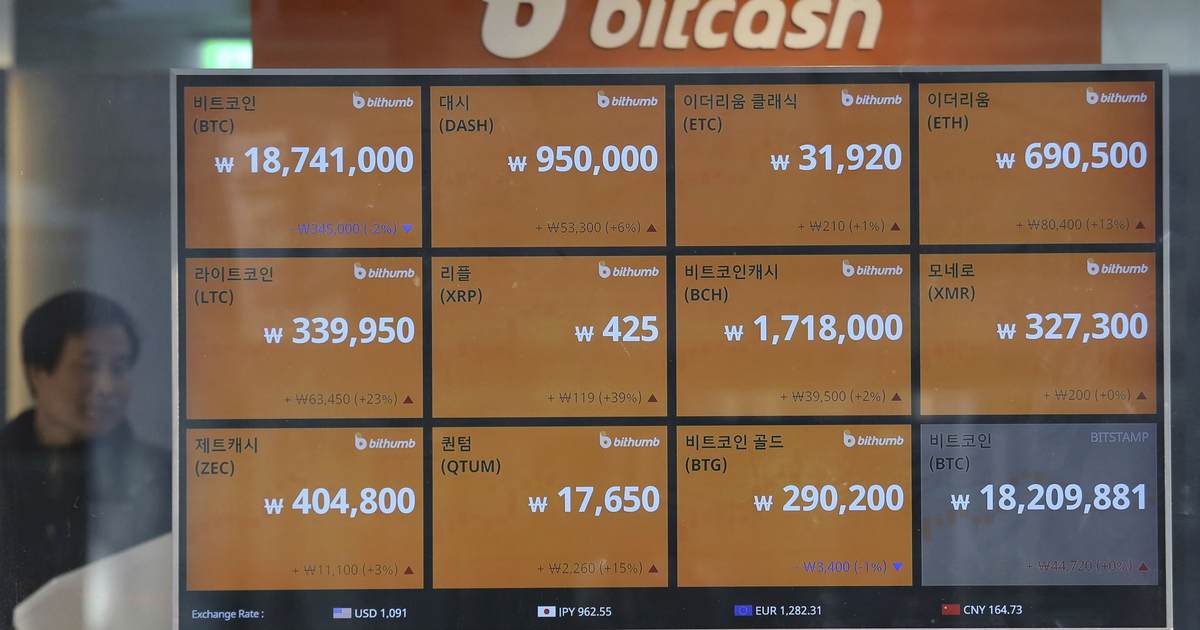
Prosecutors allege roughly $7.8 million was taken from the Lovelock Project through the withdrawals, and that Kromer then moved much of those proceeds into cryptocurrency accounts to obscure their origin. The indictment claims more than $6.2 million of the allegedly embezzled funds were converted from dollars into crypto at multiple exchanges. Authorities describe those moves as efforts to disguise and launder the proceeds of the suspected theft.
“Through multiple fraudulent schemes, the defendant clearly exploited trust to line his pockets,” said Special Agent in Charge Christopher S. Delzotto for the FBI Las Vegas Field Office. “The grants were intended to enhance broadband infrastructure in rural communities in Nevada. Instead, the defendant brazenly misappropriated these funds for personal gain.”
Federal filings list a mix of charges tied to the alleged conduct, including one count of theft of government property, four counts of federal program theft, five counts of money laundering, five counts related to monetary transactions in criminally derived property, and a count for using a false document. An initial appearance for Kromer is scheduled for June 24, 2026, before United States Magistrate Judge Elayna J. Youchah.
“We want to thank our partners at the Department of Justice and First Assistant U.S. Attorney Sigal Chattah for tackling fraud head on and being essential stakeholders in stopping waste, fraud, and abuse of federal funds,” said Nevada State Director Alida Ceballos for USDA Rural Development. “From Day 1, USDA and DOJ have worked hand-in-hand to bring bad actors to justice and ensure those who exploit taxpayer dollars are held accountable.”
If convicted, Kromer faces severe statutory maximums, including up to 50 years on the federal theft counts and more than 100 years across the money laundering and false document charges. Any actual sentence would be set by a federal district court judge after consideration of the U.S. Sentencing Guidelines and other statutory factors. The indictment sets out alleged criminal behavior but does not determine guilt.
The FBI and the USDA Office of Inspector General handled the investigation, while Assistant United States Attorneys Steven Myhre and Skyler Pearson are listed as prosecutors on the case. The filing emphasizes that an indictment is an allegation and that defendants are presumed innocent until proven guilty beyond a reasonable doubt in a court of law.
The case highlights the risks that accompany large federal grant programs when oversight fails or is circumvented, and it raises questions about controls on pledged deposit accounts and financial monitoring for rural infrastructure projects. Officials say the matter is being pursued to recover funds and hold accountable anyone who diverted taxpayer money meant to improve broadband access in underserved communities.