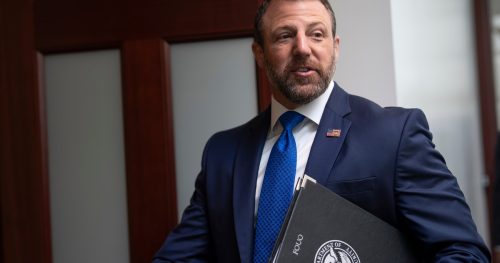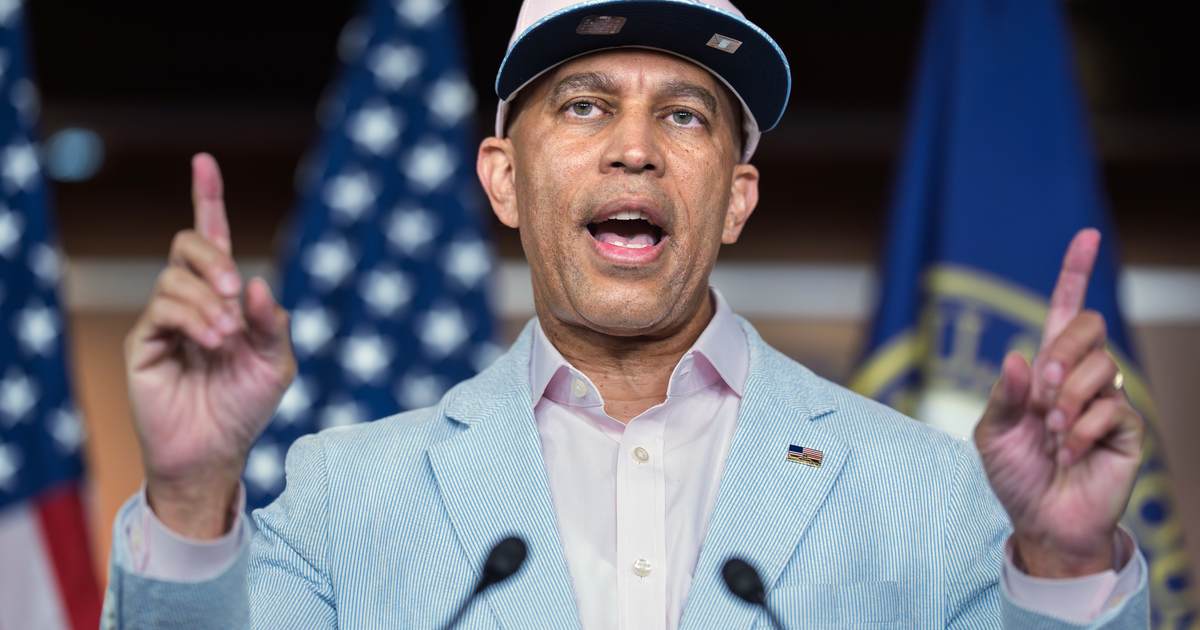
Rep. Hakeem Jeffries was visibly flustered during a live Good Day New York interview when co-host Rosanna Scotto pressed him on rising gas prices under Democratic presidencies, a moment that landed awkwardly as New York basks in the Knicks’ first NBA title since 1973.
I wasn’t going to take shots at pro-Knicks Democrats during the playoffs, especially while the finals were on, but the parade plans and politics collided this week. The Knicks finally broke their long drought, and I still remember being 11 the last time they reached the finals in 1973. That hometown buzz makes it hard to want to tear into anyone, but live TV doesn’t wait for good moods.
On Good Day New York, Jeffries tried to pivot from criticism of former President Trump to a broader point about foreign policy and domestic costs, and he ran straight into a quick, cornered question. Rosanna Scotto didn’t let him off the hook, calling out price spikes under prior Democratic administrations and forcing him to reckon with the obvious. What followed looked less like a policy debate and more like someone surprised to be asked to explain the record.
Jeffries blamed the immediate aftermath of the pandemic for price surges when Scotto pushed him on whether gas had been over $5 previously. The exchange landed oddly because it felt like a lawmaker expecting a soft interview and getting a reality check instead. That kind of moment matters politically; voters notice when a prepared line meets a pointed follow-up.
https://x.com/RNCResearch/status/2066542599372960085
House Minority Leader Hakeem Jeffries, D-N.Y., was confronted Monday morning over high gas prices under the Biden administration when criticizing President Donald Trump over “skyrocketing gas prices.”
Jeffries remarked on gas prices while discussing Trump’s peace deal with Iran after months of war and hostilities on “Good Day New York.”
“It was a reckless war of choice that has obviously cost the American people significantly, particularly as it relates to skyrocketing gas prices in an environment where the cost of living was already too high,” Jeffries said.
After Jeffries emphasized the importance of “solving our own problems” in America, co-host Rosanna Scotto reminded him that former Presidents Barack Obama and Joe Biden also saw high gas prices during their terms.
“Gas prices were up under Obama too. And Biden, right?” Scotto said.
While Jeffries attempted to answer, Scotto pressed, “Didn’t we have gas prices over $5?”
“Well, there were gas prices in the immediate aftermath of the pandemic situation…” Jeffries remarked.
“And I remember eggs were like $12 a dozen,” Scotto said.
That block of reality television is the sort of unscripted moment that defines political seasons more than polished speeches do. Jeffries’ defense leaned on pandemic-era disruption, which is a partial answer but not the full account voters want when they feel the pinch at the pump and at the grocery store. Rosanna Scotto’s pushback was simple and effective: she named names and numbers that made the talking point wobble.
There’s a wider lesson here about readiness and accountability. Leaders who expect friendly interviews and get tough questions look unsteady when they can’t land a clear response. For Republicans watching, it’s a reminder that pressure applied in plain language cuts through partisan spin, and it’s good politics to press those moments home.
Jeffries tried to reframe with broader foreign policy criticism, which has its place in a discussion about global energy markets and oil supply. But voters care about household costs now, and a national leader who can’t square rhetoric with remembered reality invites ridicule. The apples-and-eggs examples thrown into the exchange—pandemic effects, $12 eggs—underscore how the conversation about inflation has shifted into everyday detail for people who are simply trying to make ends meet.
New York is celebrating a long-awaited championship, and that civic pride exposes contrast when its political representatives stumble on live TV. The crowd at a parade will cheer for the team that delivered, and voters will remember which politicians handled pressure and which ones did not. In the end, quick, direct questioning won the day on that set, and the footage will keep looping for a reason.