U.S. and Pakistan say a peace deal with Iran has been reached, with a formal signing set for Friday in Switzerland and follow-up technical talks expected.
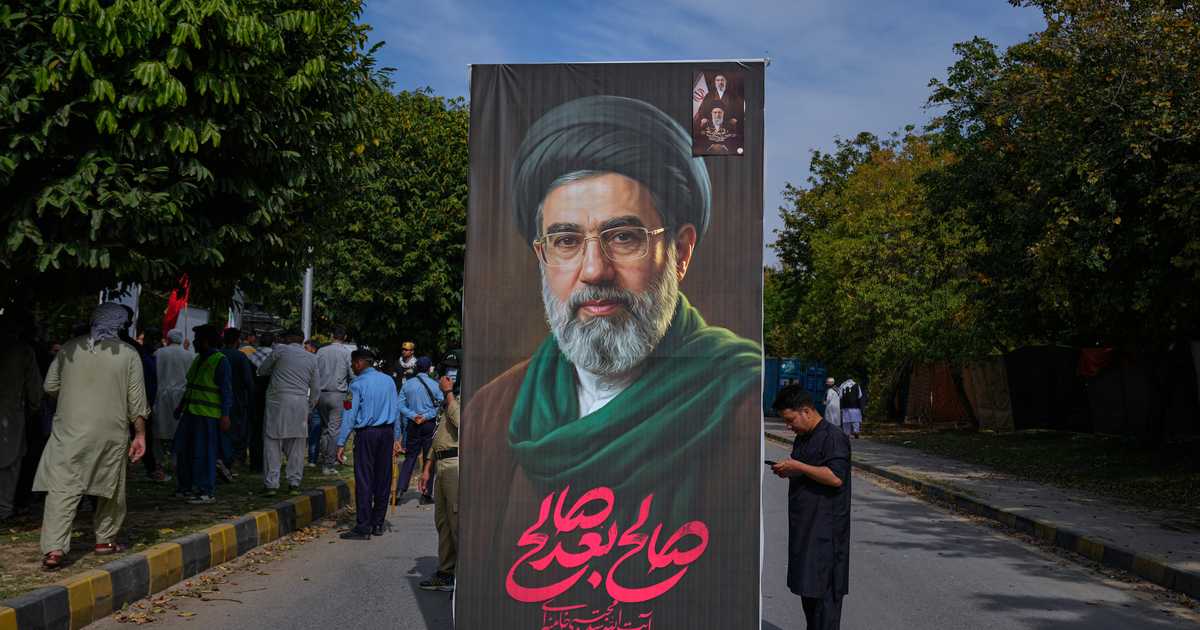
The United States and Pakistan announced Sunday evening that negotiators have reached an agreement with Iran, and a signing ceremony is scheduled for Friday, June 19, in Switzerland. Pakistani Prime Minister Shehbaz Sharif confirmed the outcome in a post on X, saying Pakistan acted as a mediator during intensive talks. The announcement frames the deal as a diplomatic breakthrough after weeks of high-stakes bargaining.
Sharif’s statement included a direct claim that “Both sides have declared the immediate and permanent termination of military operations on all fronts, including in Lebanon,” which signals a major change in the region’s combat posture if implemented. He said both the U.S. and Iran approved the agreement and indicated more meetings will handle technical details. Pakistan also thanked regional mediators for their roles in bringing negotiators to the table.
The prime minister singled out multiple regional partners in his remarks, offering praise for the mediation work that helped secure the arrangement. He specifically extended appreciation to Qatar, Saudi Arabia, and Türkiye for their contributions, suggesting those capitals will remain involved as the plan moves into implementation. Officials warned the next phase will focus on ensuring compliance and sorting out logistical steps.
Former President Donald Trump publicly confirmed the deal on Truth Social Sunday evening, posting in support of the agreement and celebrating its completion. He wrote, “The Deal with the Islamic Republic of Iran is now complete. Congratulations to all!” and framed the move as reopening key regional routes and ending certain U.S. operational restrictions. His reaction underscores how central this deal has become to the U.S. political conversation.
https://x.com/CMShehbaz/status/2066268332832194810?ref_src=twsrc%5Etfw
Trump went further in his statement, ordering an immediate change in naval posture: “I hereby fully authorize the toll free opening of the Strait of Hormuz, and, simultaneously herewith, authorize the immediate removal of the United States Naval blockade. Ships of the World, start your engines. Let the oil flow!” That direction, if enacted, would alter strategic dynamics in the Gulf and affect global oil markets. Republican circles are likely to view the move as both a diplomatic victory and a test of enforcement.
Sunday’s progress came amid fresh tensions: reports of Israeli strikes against Hezbollah in Lebanon raised fears of retaliation that could have derailed negotiations. Trump warned the strike “should not have happened, particularly on a special day when we are so close to a Peace Deal with Iran,” calling for restraint to protect the diplomatic window. He also offered a pointed rhetorical line ahead of the signing: “Let’s now blow it!” which mixed triumph with urgency.
Trump also weighed in on Israel’s response and broader conduct, writing that “Israel has the right to defend itself against threats, but the attack it was responding to was very small and meaningless, nobody was hurt, injured, or killed, and should not disrupt this important process.” He urged all sides to stand down, saying the emerging deal could bring peace to Lebanon and the surrounding region. His comments reveal a Republican emphasis on stability, deterrence, and swift enforcement of any new terms.
Moving from headline to implementation will be awkward and technical, and both diplomats and military planners have work to do to translate promises into verifiable actions. The deal’s claim of an “immediate and permanent termination” of military operations raises questions about verification mechanisms, timeframes, and penalties for violations. Regional governments and outside powers will be watching closely for concrete steps that match the rhetoric.
Pakistan’s role as intermediary highlights how third-party states can broker agreements where direct talks stall, but it also raises questions about leverage and guarantees. The involvement of Qatar, Saudi Arabia, and Türkiye suggests a coalition of regional actors is invested in keeping the peace process alive. Expect a series of technical meetings to follow that will test political will and operational capacity.
For the United States and its allies, the immediate priorities will be verification, safe de-escalation, and ensuring that cease-fire claims are backed by on-the-ground realities. Republicans inclined to prioritize American interests will press for robust monitoring and quick consequences for any breach. The coming days should clarify whether the agreement can hold and whether diplomacy will deliver durable stability.