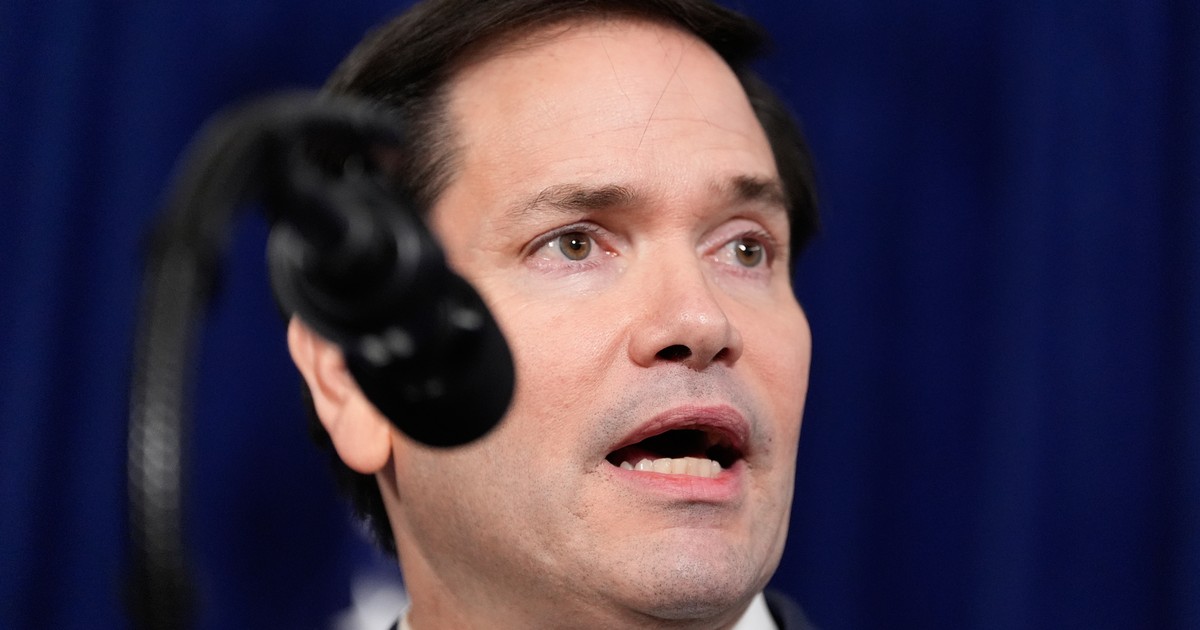
Marco Rubio applauded a White House plan to mark America’s 250th birthday with a UFC event on the South Lawn, arguing the spectacle can connect with everyday Americans in a way traditional celebrations sometimes do not. He framed the matchup and the White House backdrop as a striking symbol of national culture and pride, and said the event would reach audiences far beyond the usual political or cultural circles. The comment set off a debate about how to stage a major national anniversary while engaging the broadest possible audience.
Secretary of State Marco Rubio publicly praised the Trump administration’s decision to host a UFC event on the South Lawn as part of the nation’s 250th birthday observances. He presented the fight as a fresh, distinctly American option for celebrating a once-in-a-lifetime milestone, one that leans into popular culture rather than relying solely on the usual pageantry. Rubio suggested this approach could bridge the gap between government and citizens who don’t follow politics closely but follow major sporting events.
Rubio argued that staging a major sporting event at the White House has the potential to bring millions of Americans together in real time and introduce the landmark anniversary to billions watching overseas. He painted a picture of athletes competing with the People’s House in view, saying that visual would convey unity and national pride in a format most people already know how to enjoy. This kind of reach, he implied, broadens the celebration beyond a set of formal ceremonies and into living-room conversations and social feeds around the world.
“The White House is the people’s house. It belongs to the people of the United States. The American 250 celebration belongs to the people of the United States,” the Secretary of State said. And there are millions and millions of Americans from all walks of life that are not necessarily attuned to politics or the financial markets or anything else, but they love the sport. And every Saturday, we’ve got a big event once a month, they’re tuning in, and they’re watching, and they host it. For them to be able to see this event with their White House in the background as part of our celebration as a country in our 250 years, I think, is a gift to the American people.”
https://x.com/FoxNews/status/2065167756052328818
That language emphasizes accessibility: Rubio wants the celebration to be understood and felt by people who may not follow policy debates or cultural institutions closely. He contrasted this choice with more classical options, noting there were countless other honorable ways to mark the anniversary, yet arguing this one delivers viewership and cultural impact. By linking a populist cultural touchstone to the residence of the presidency, the administration hopes to make the bicentennial-plus moment visibly relevant.
“It’s a gift to the American people. They’re going to see their White House in their capital on their nation’s birthday, celebrating with a historic event,” Rubio continued. “We could have had a band, and we have great bands. We could have done a Shakespeare in the Park production. There are a lot of things we could have done with it, but this one will have people watching, probably over a billion people all over the world. A billion people all over the world will be watching America celebrate its 250th birthday with the White House in the background and some of the best athletes in the world in that octagon. And we’re happy to be a part of that, and we’re happy to be a part of all the things we’re going to be working on together in the years to come.”
The event, billed as “UFC Freedom 250,” is scheduled for Sunday at 8:00 pm Eastern, and it marks an unusual moment in modern White House programming. Choosing a globally broadcast sporting spectacle over a strictly ceremonial program signals a strategy that privileges reach and cultural resonance. Organizers are betting that the combination of sport, spectacle, and iconic federal architecture will create images that travel faster and farther than speeches alone.
From a Republican perspective, staging a major cultural event on federal grounds offers a chance to showcase America’s vitality and soft power without the filters of partisan media. The argument is straightforward: put a global spotlight on the United States, let citizens from all walks of life tune in, and show a unifying picture of national life rather than an inside-the-beltway ritual. Supporters say that approach both celebrates the country and pushes back on critics who claim government events should stick to only traditional formats.
There are practical and political risks in turning the White House lawn into a venue for combat sports, and critics have already voiced concerns about decorum and precedent. Still, backers counter that the anniversary’s scale demands bold, memorable moments that can engage a broad audience. For now, the focus is on the broadcast night and whether the images of athletes inside an octagon with the White House behind them will land as a fresh, patriotic tableau for 250 years of American history.